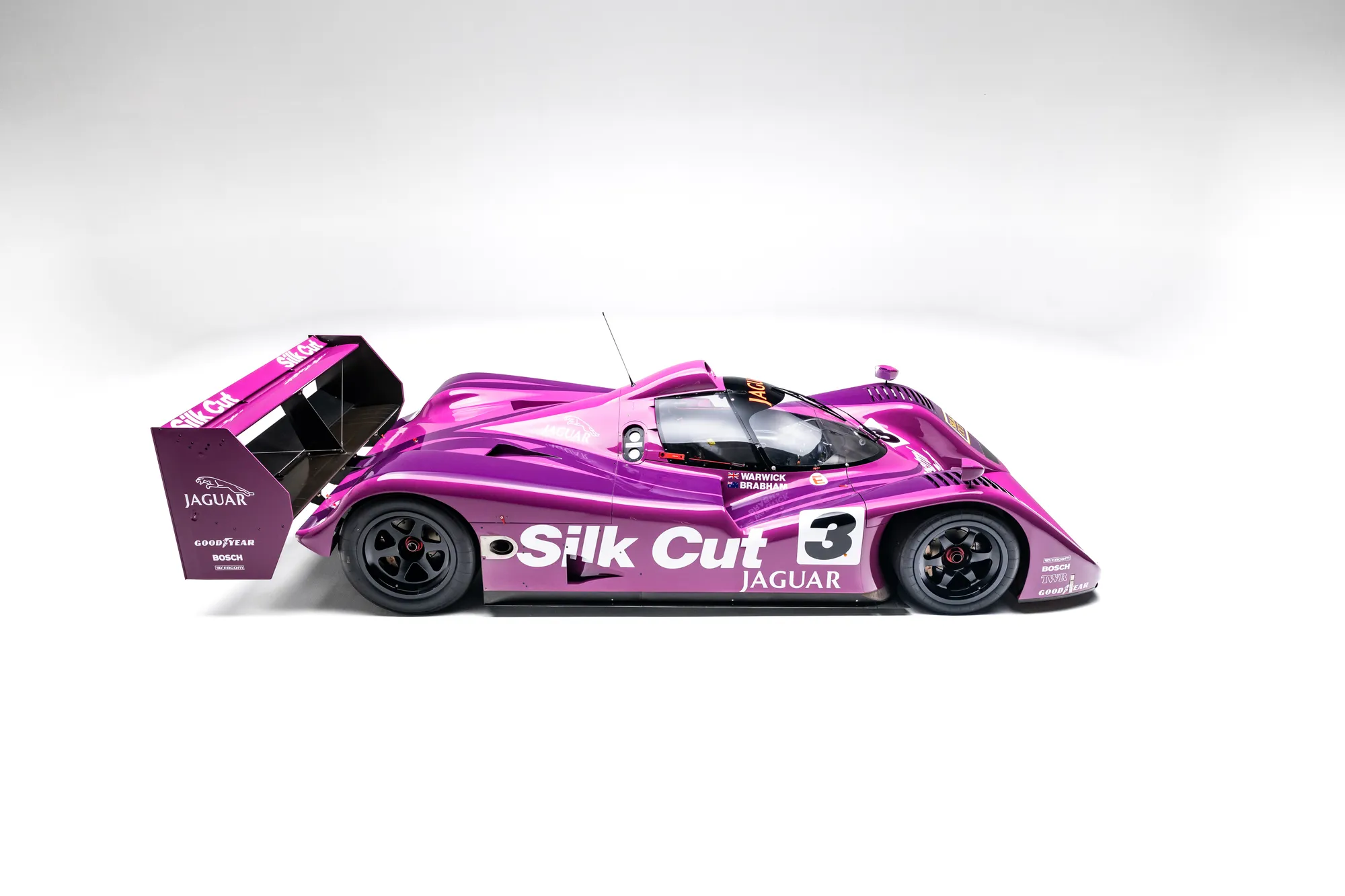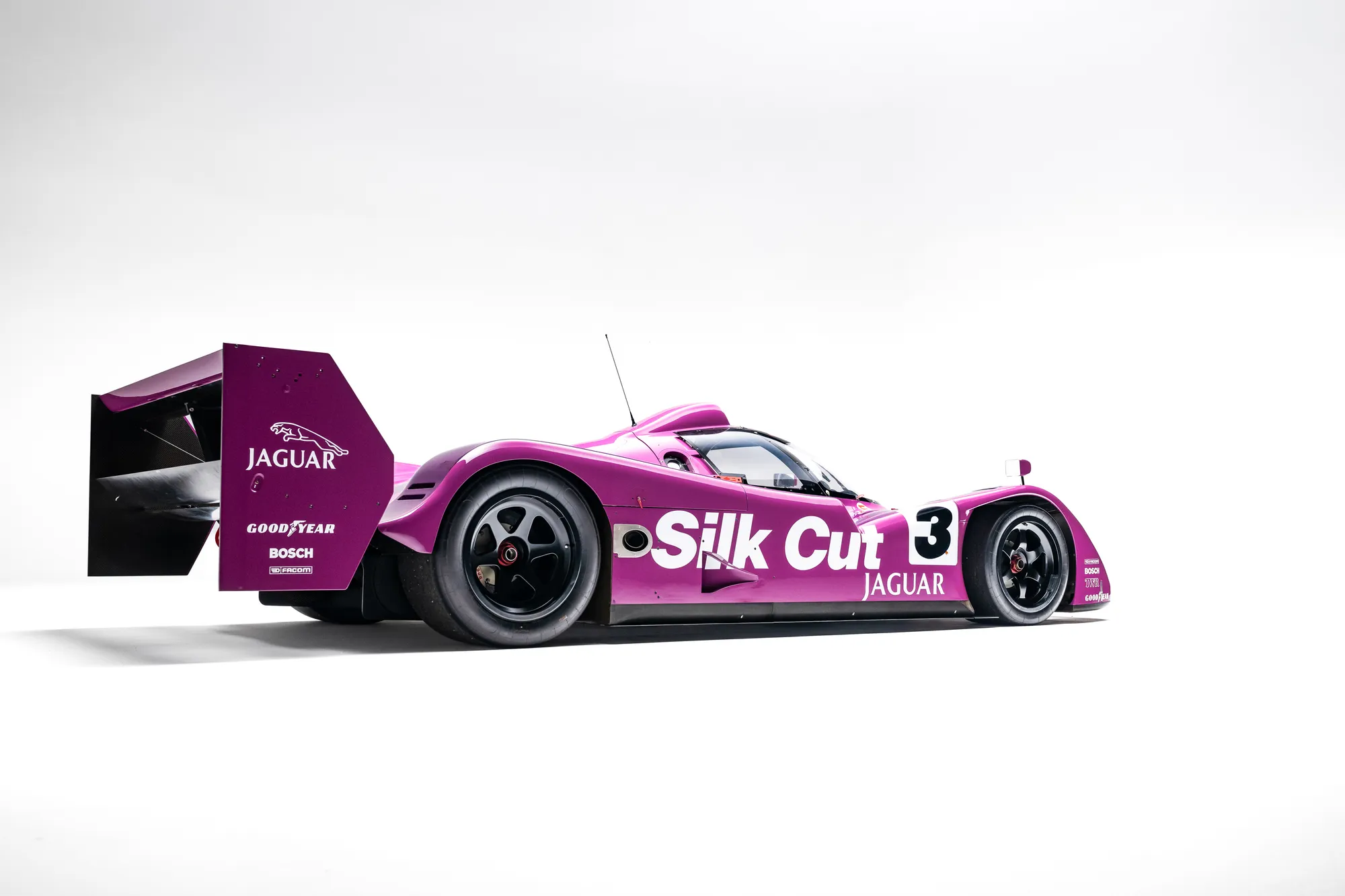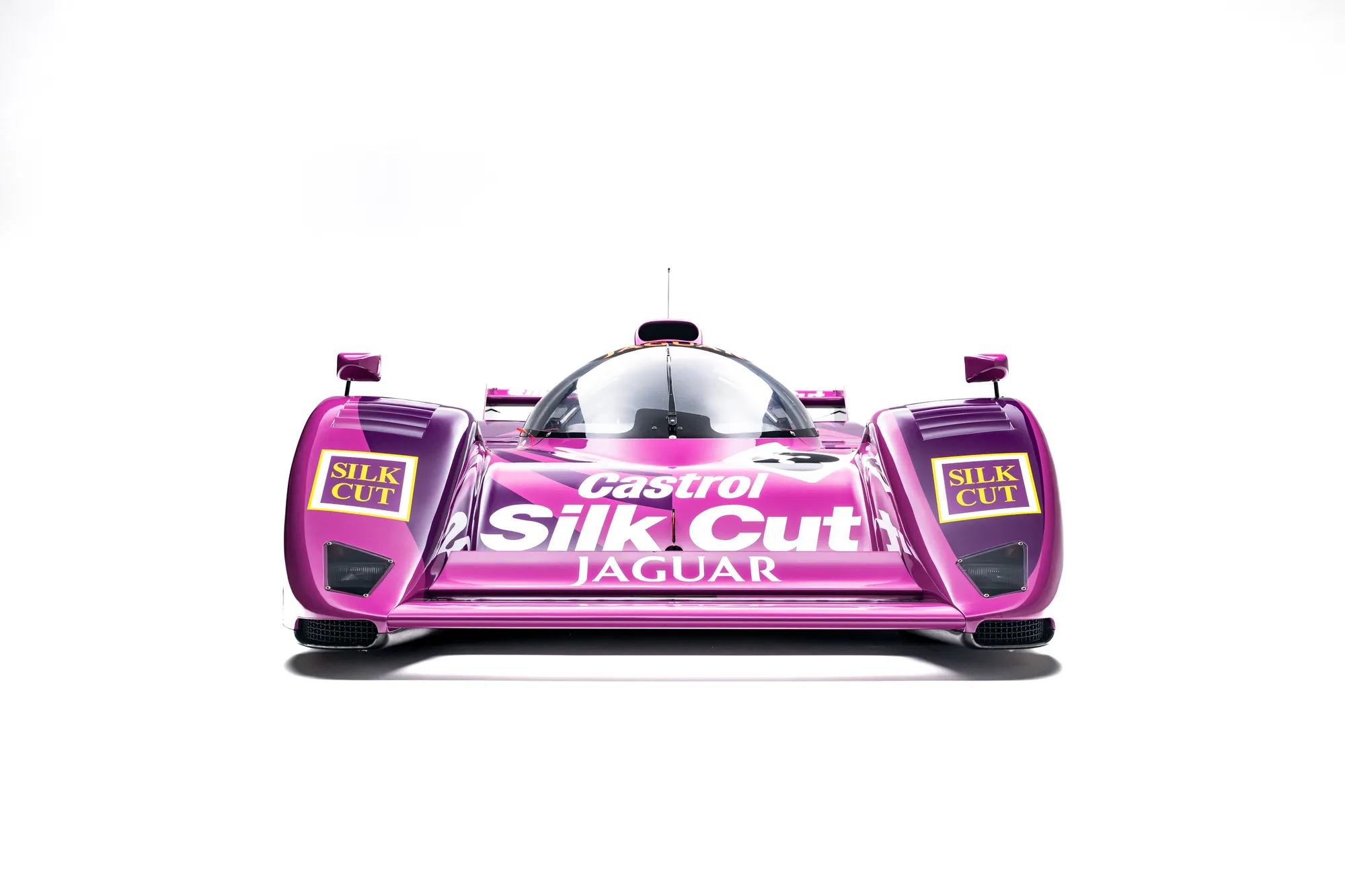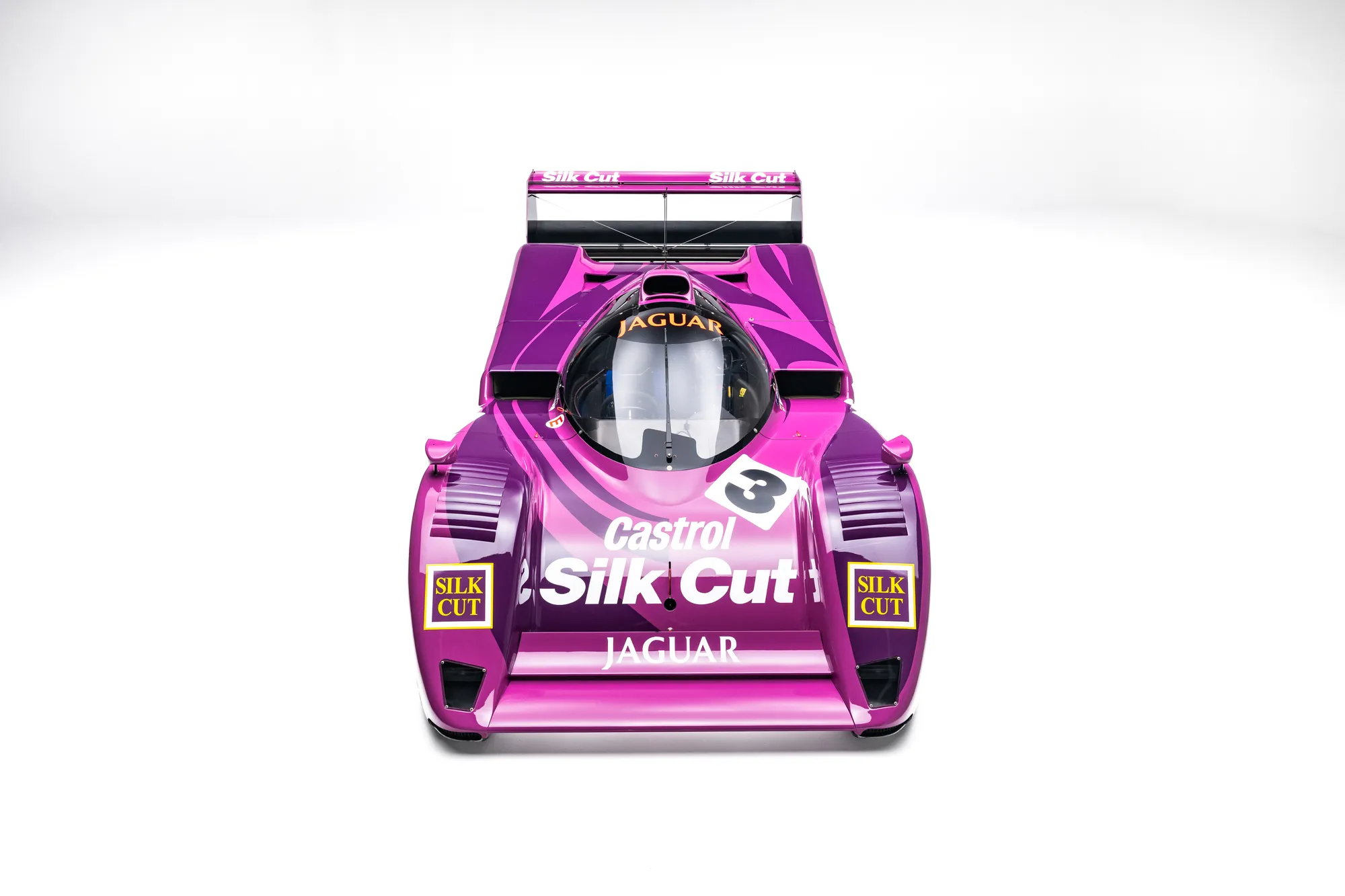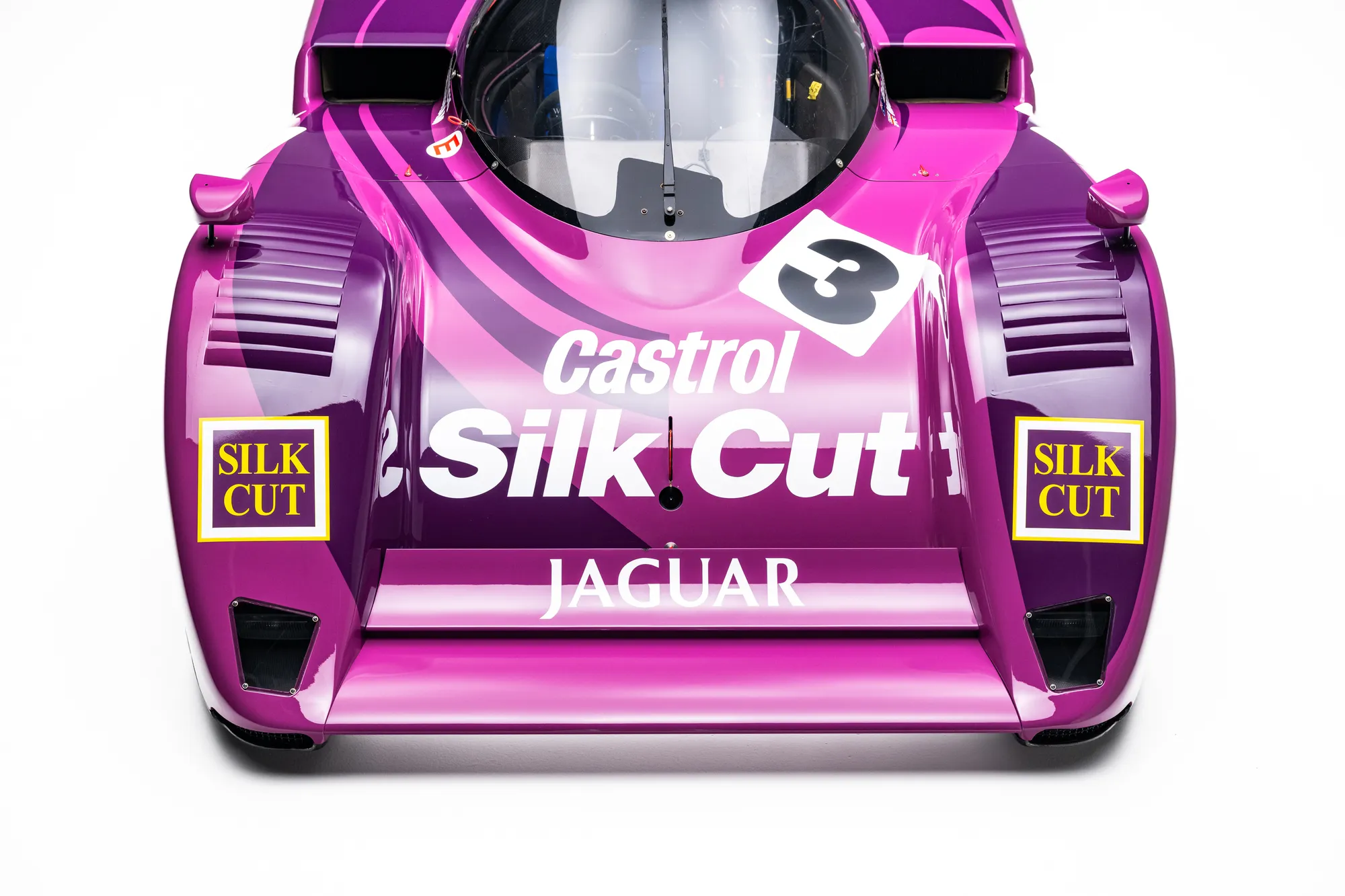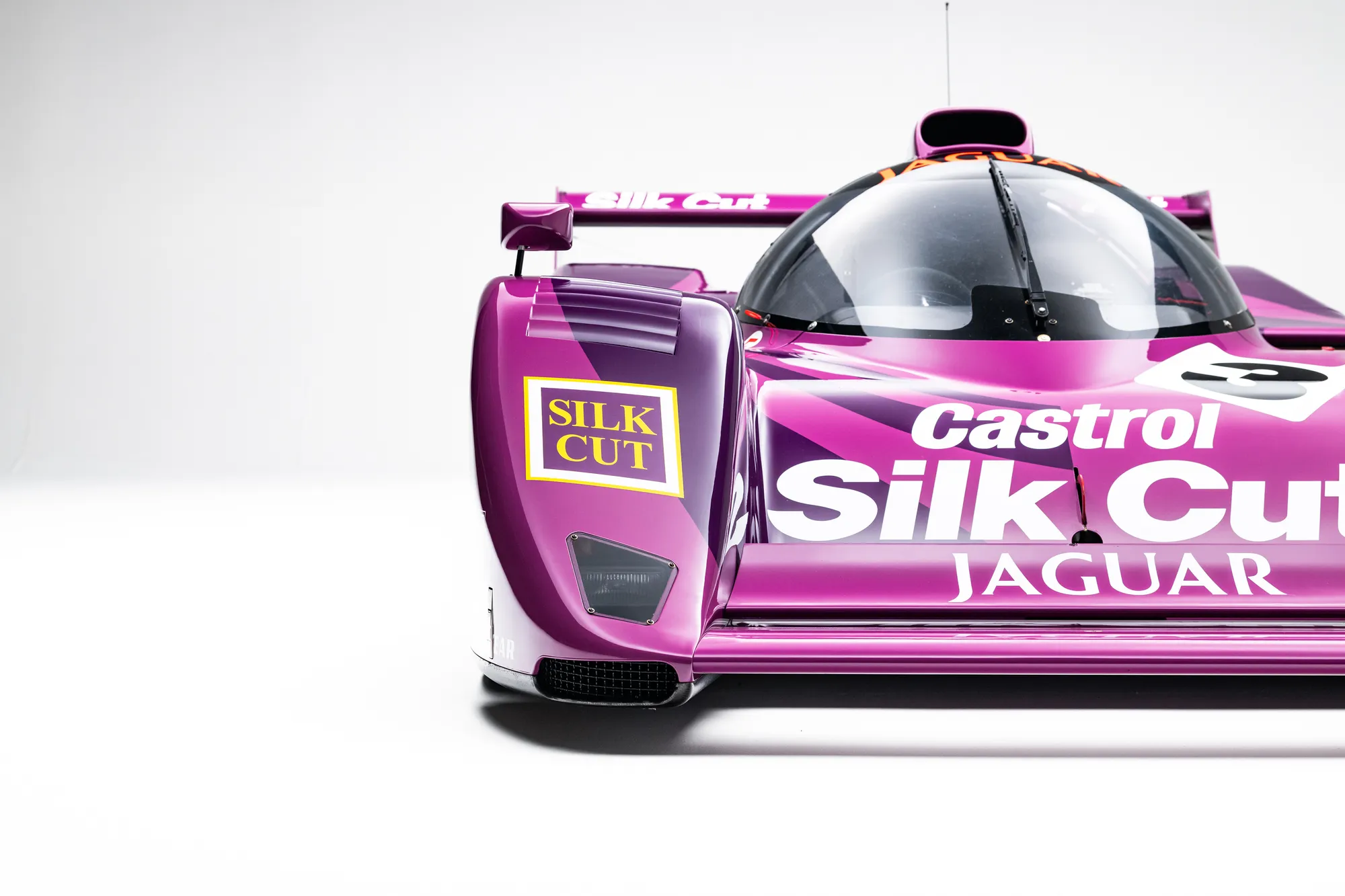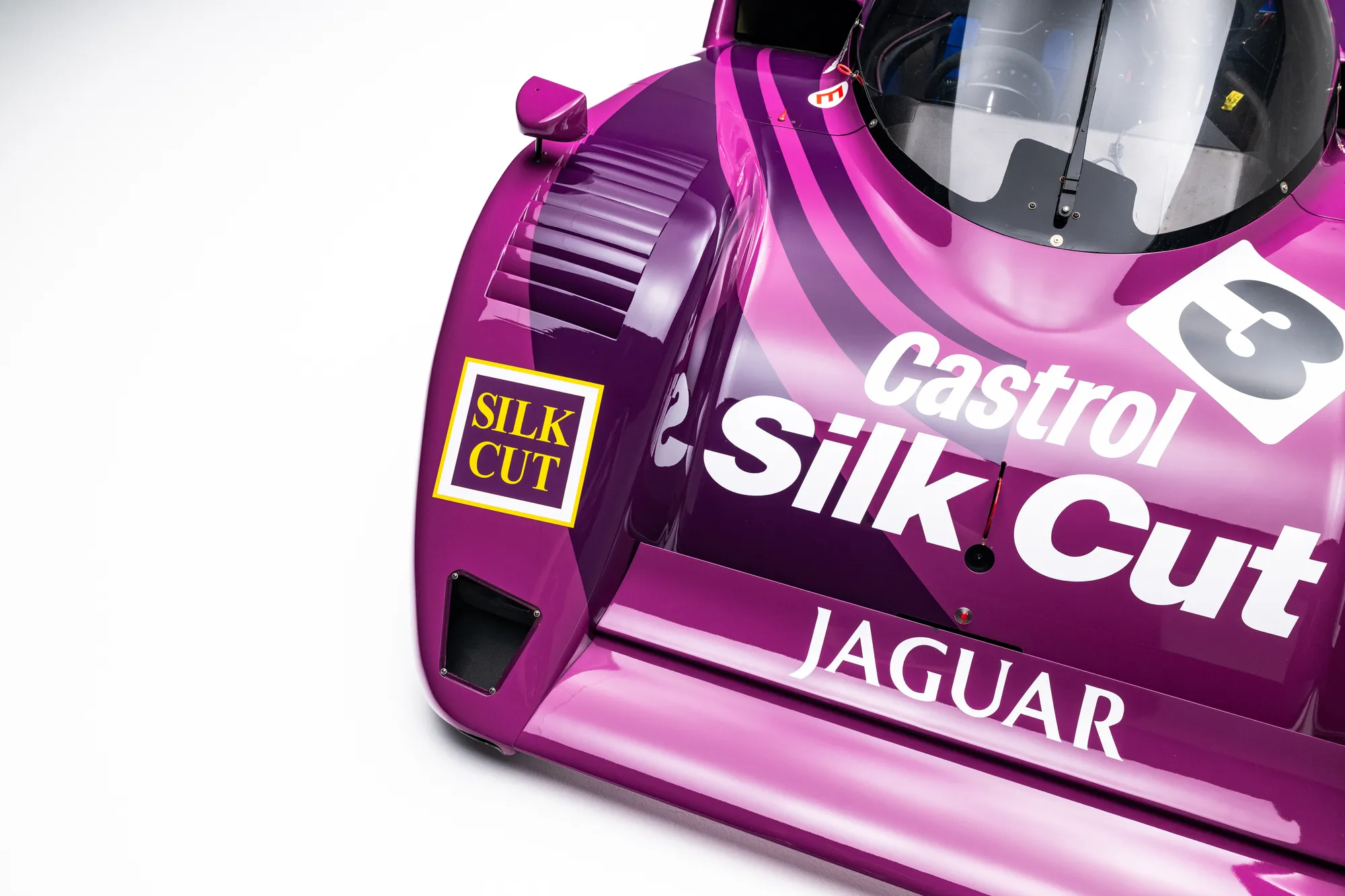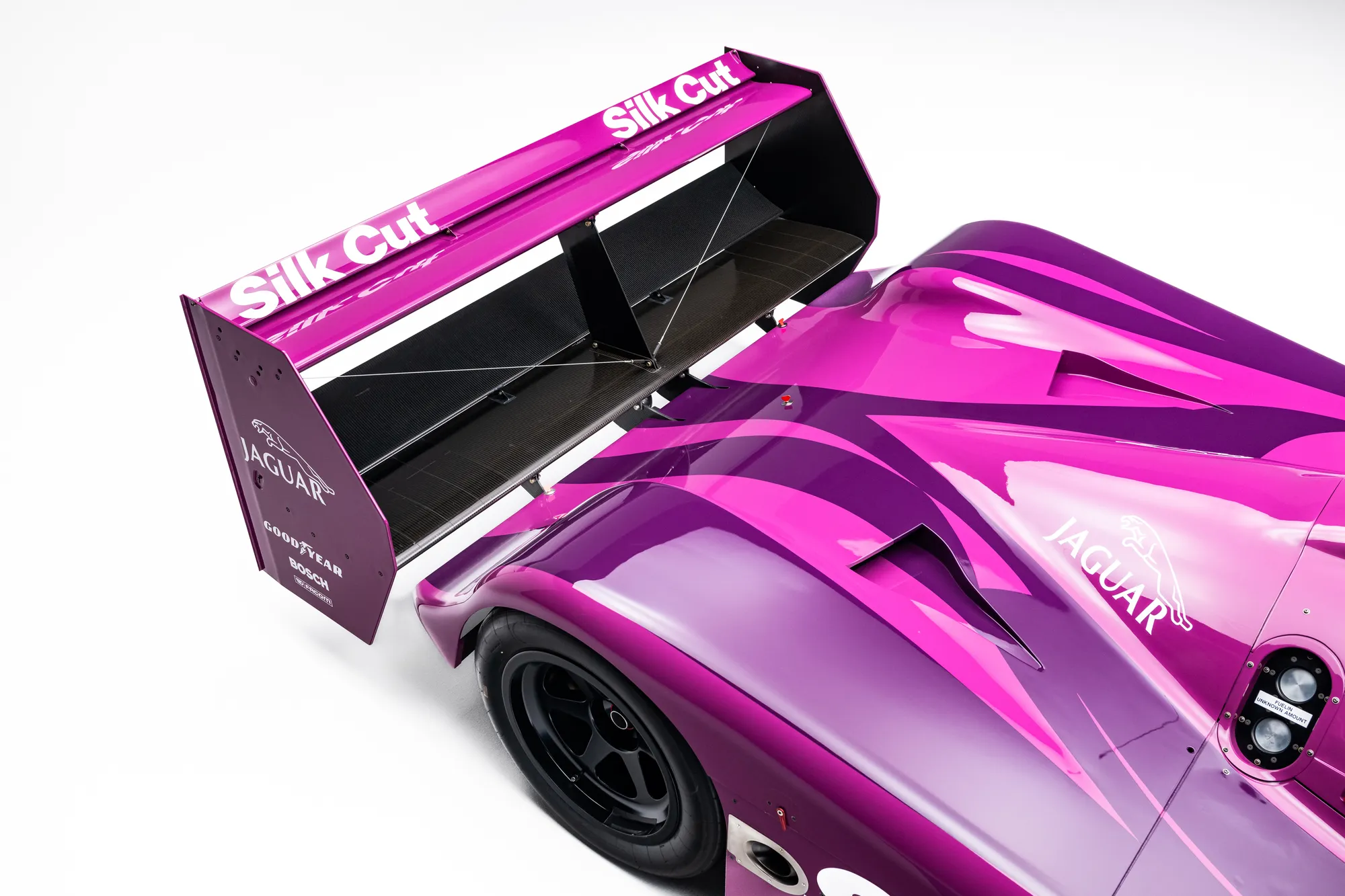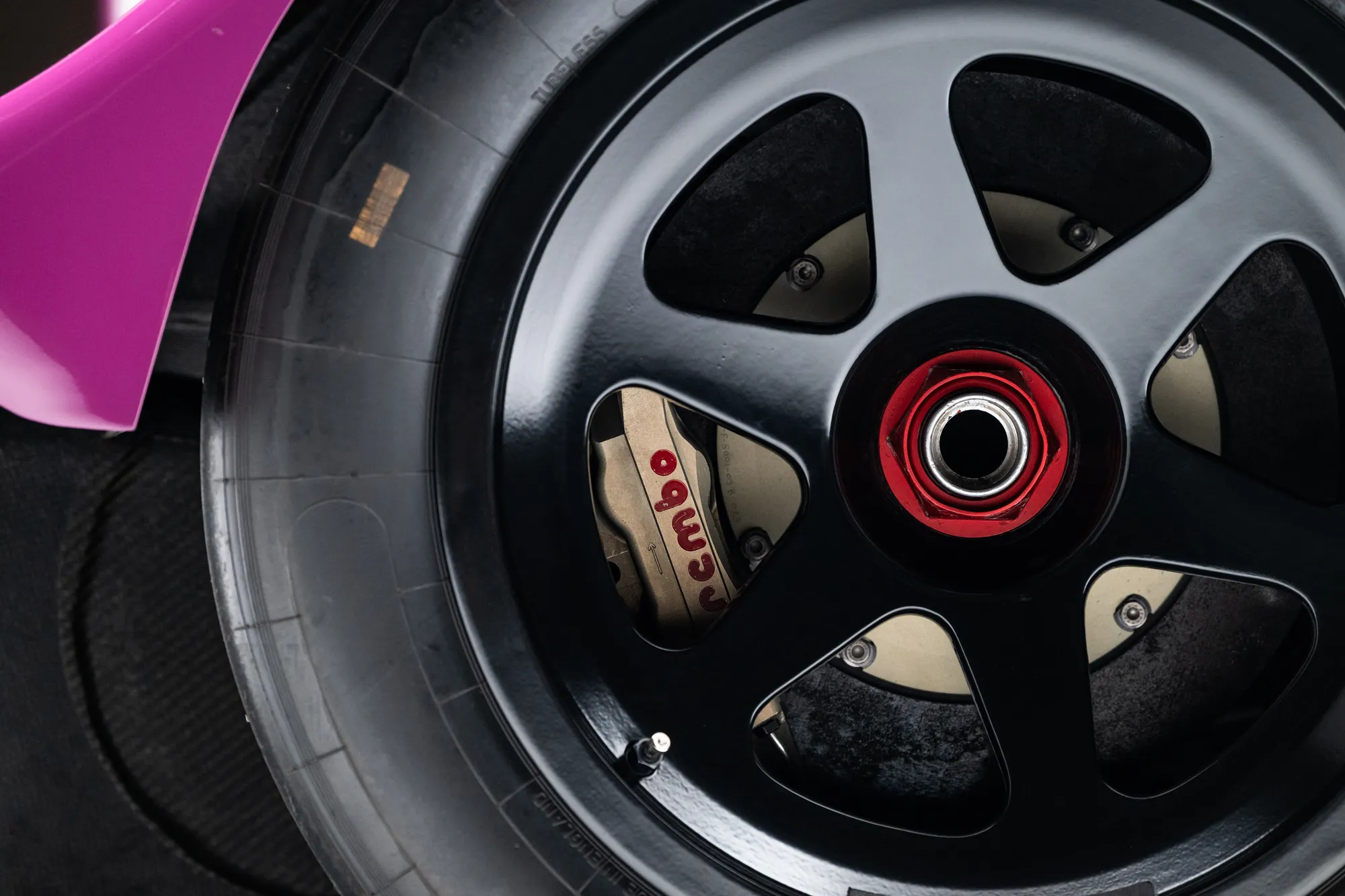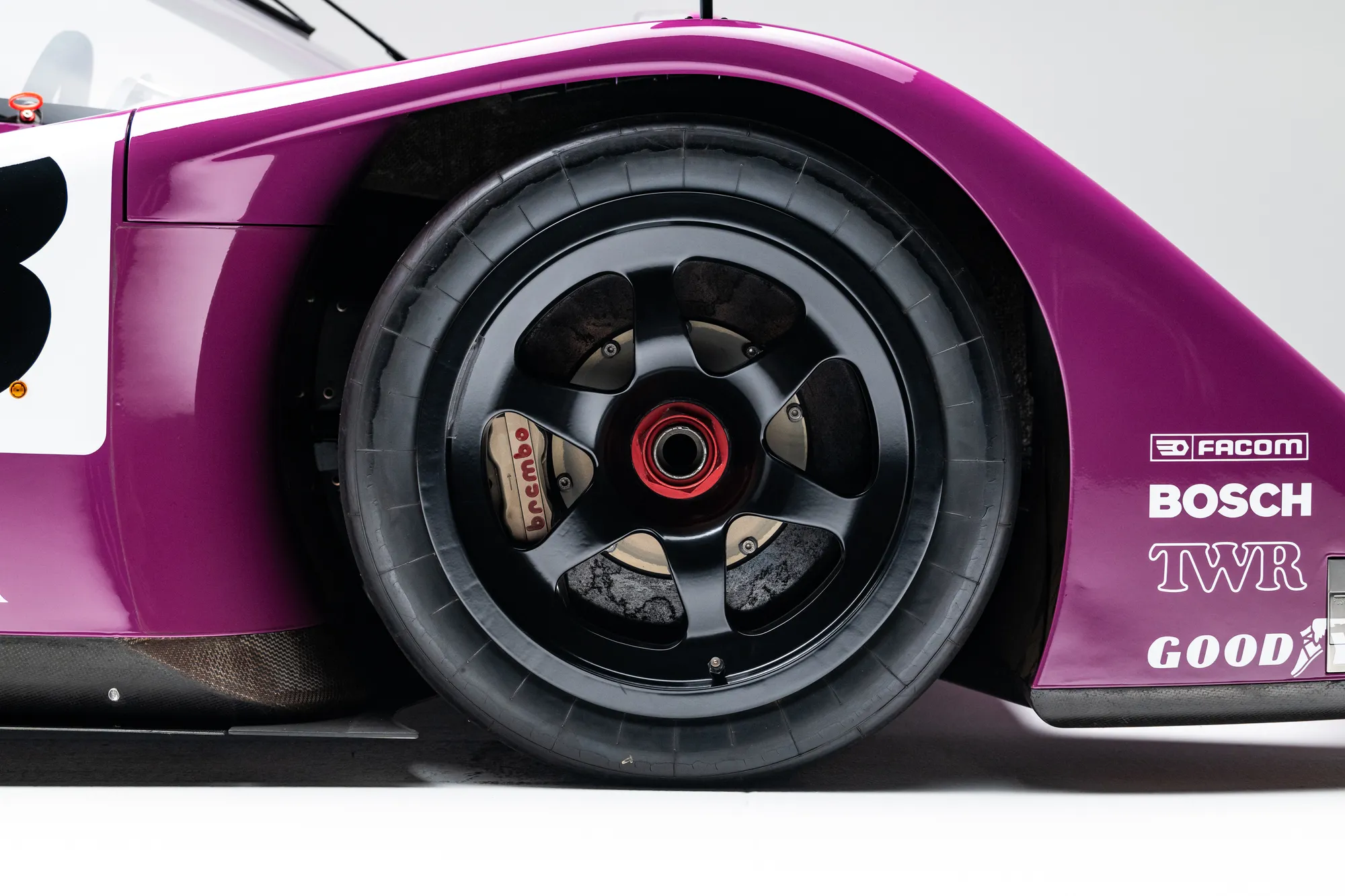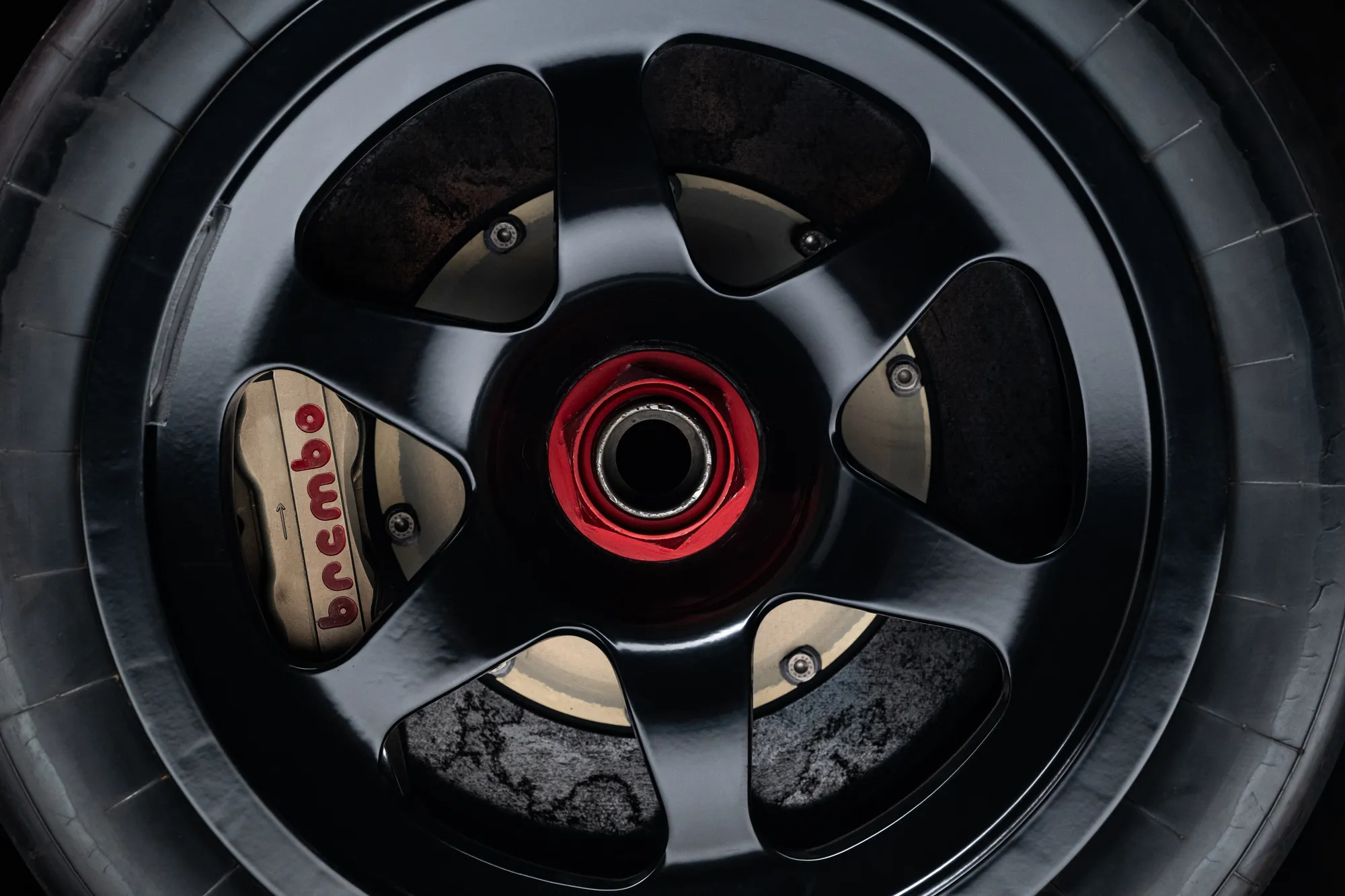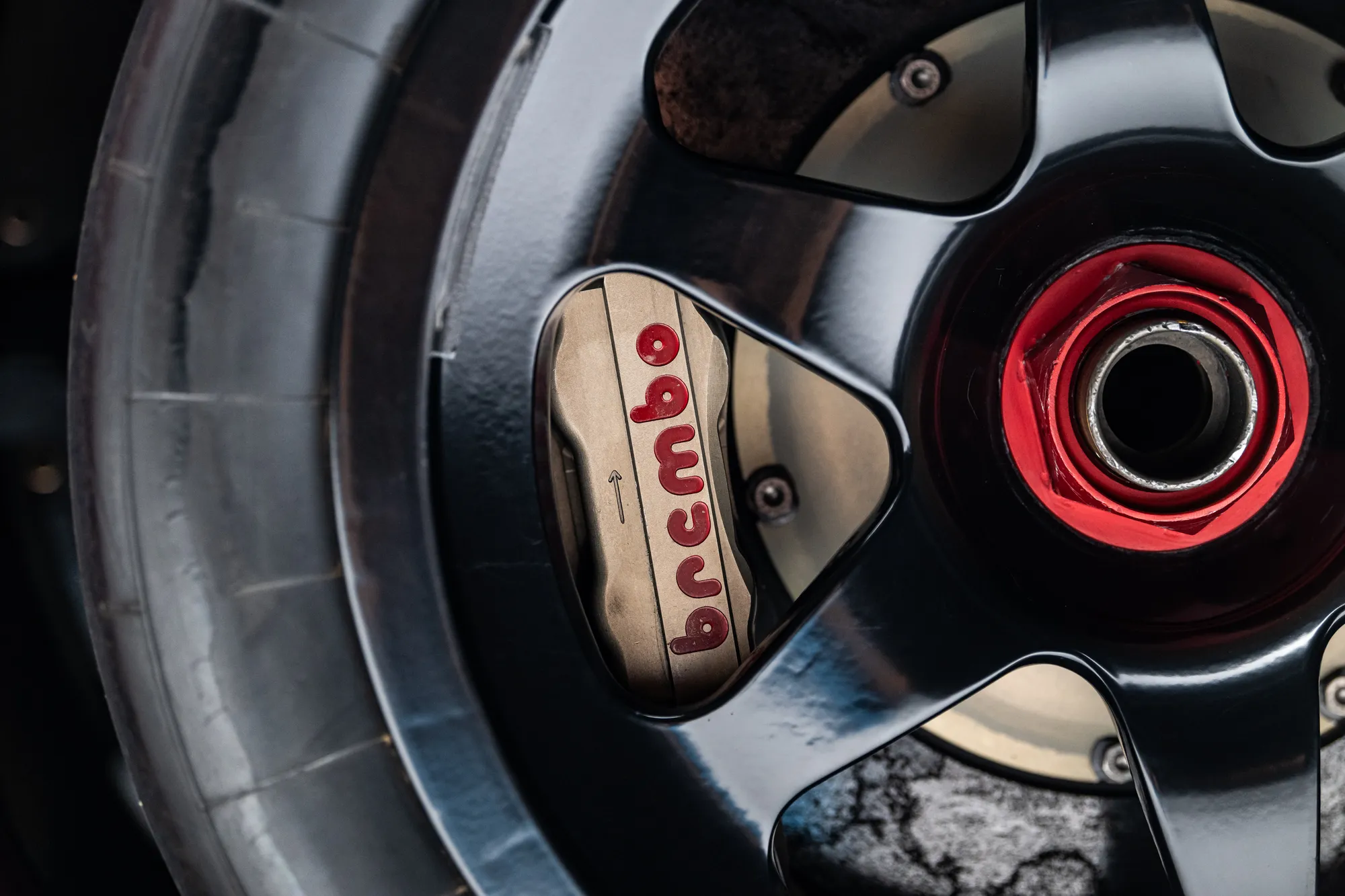
Description
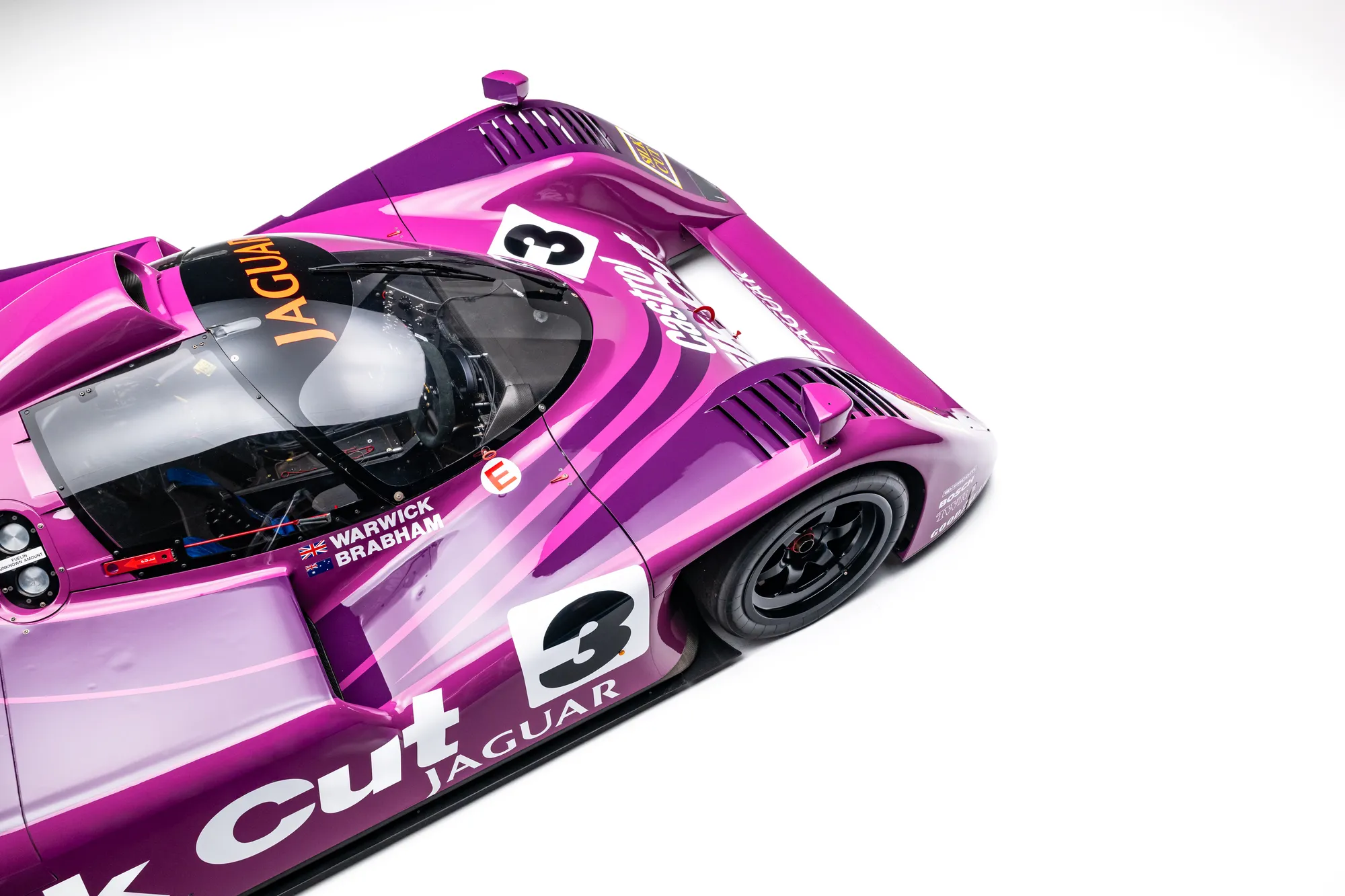
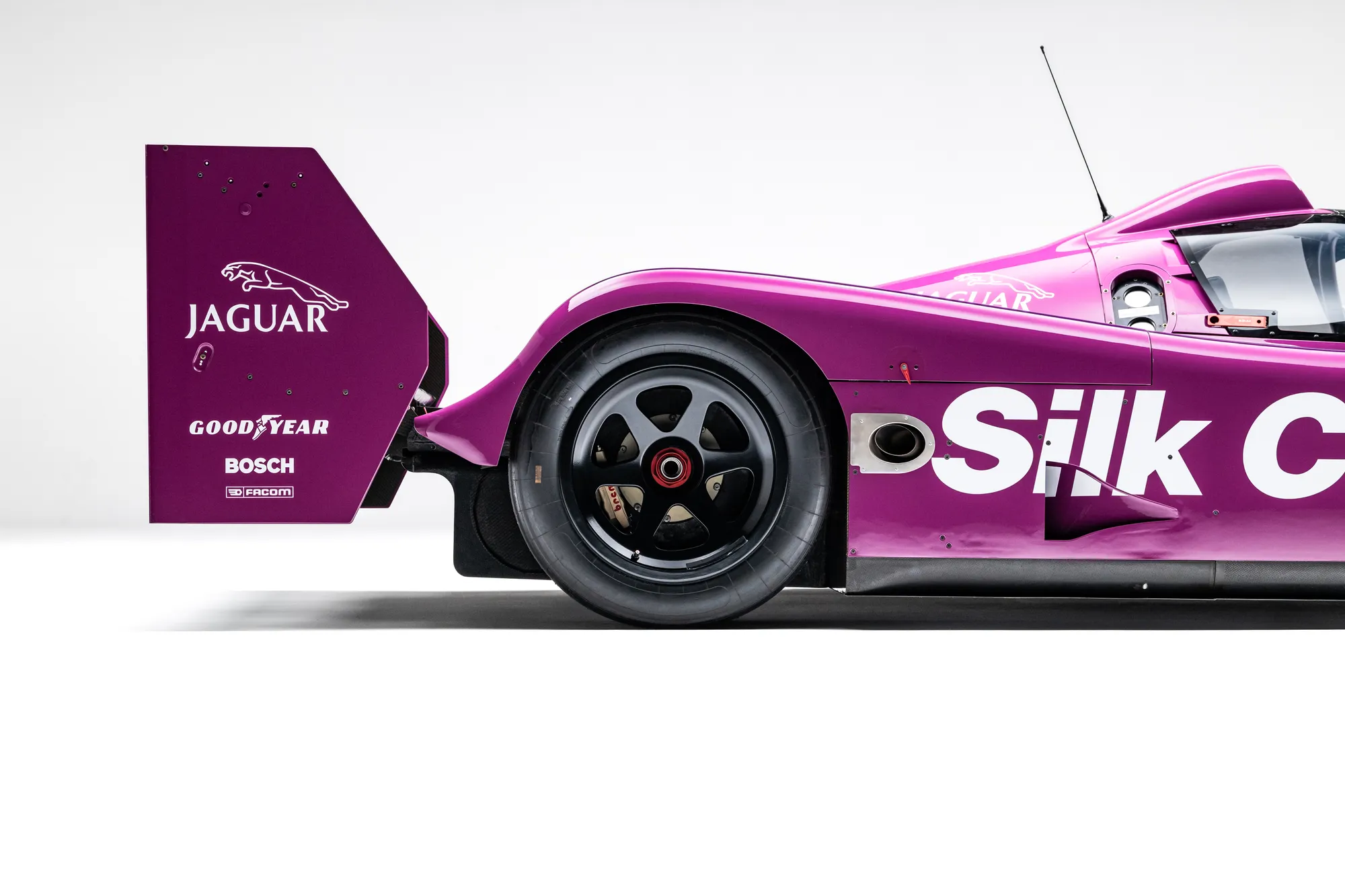
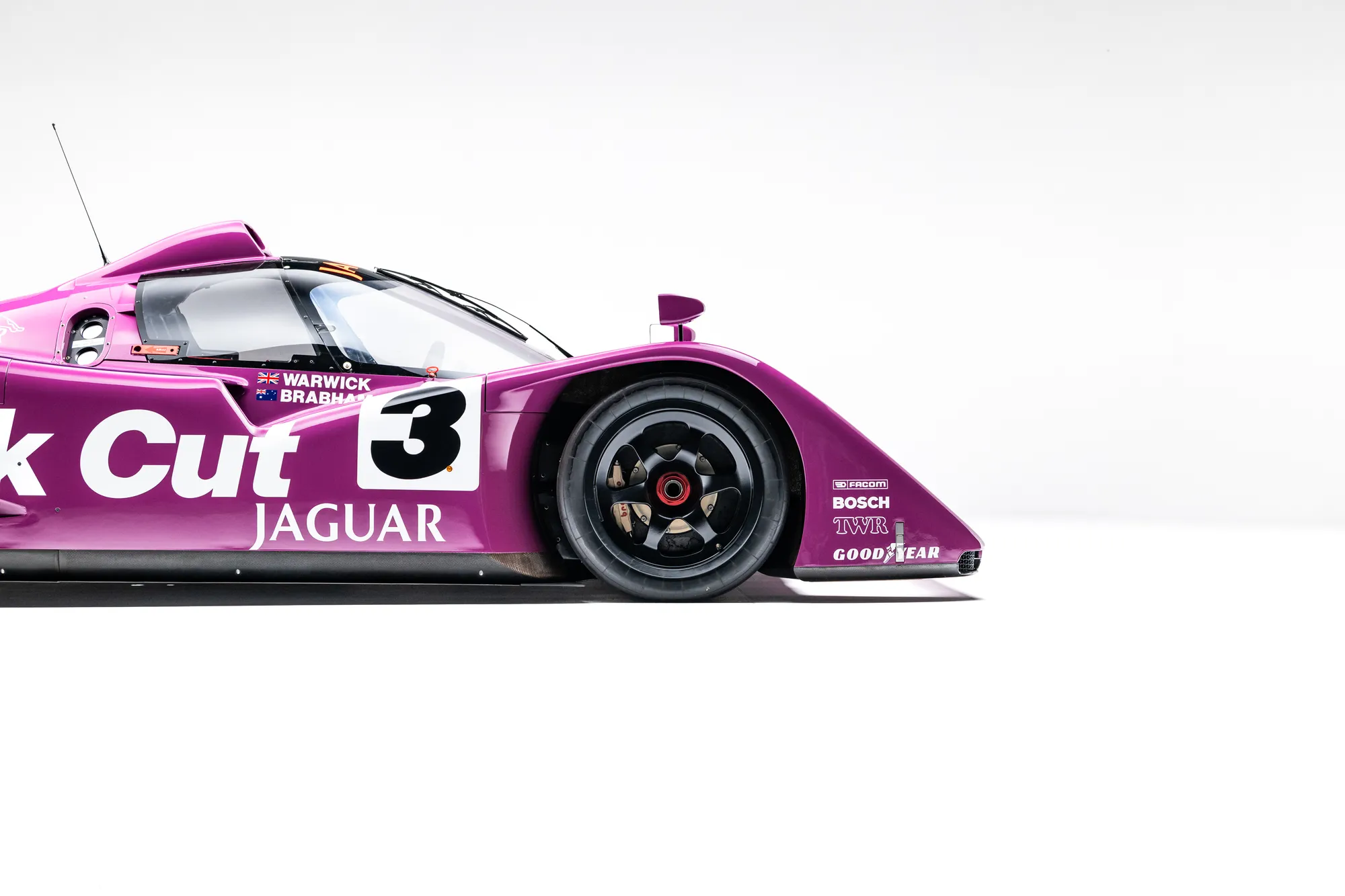
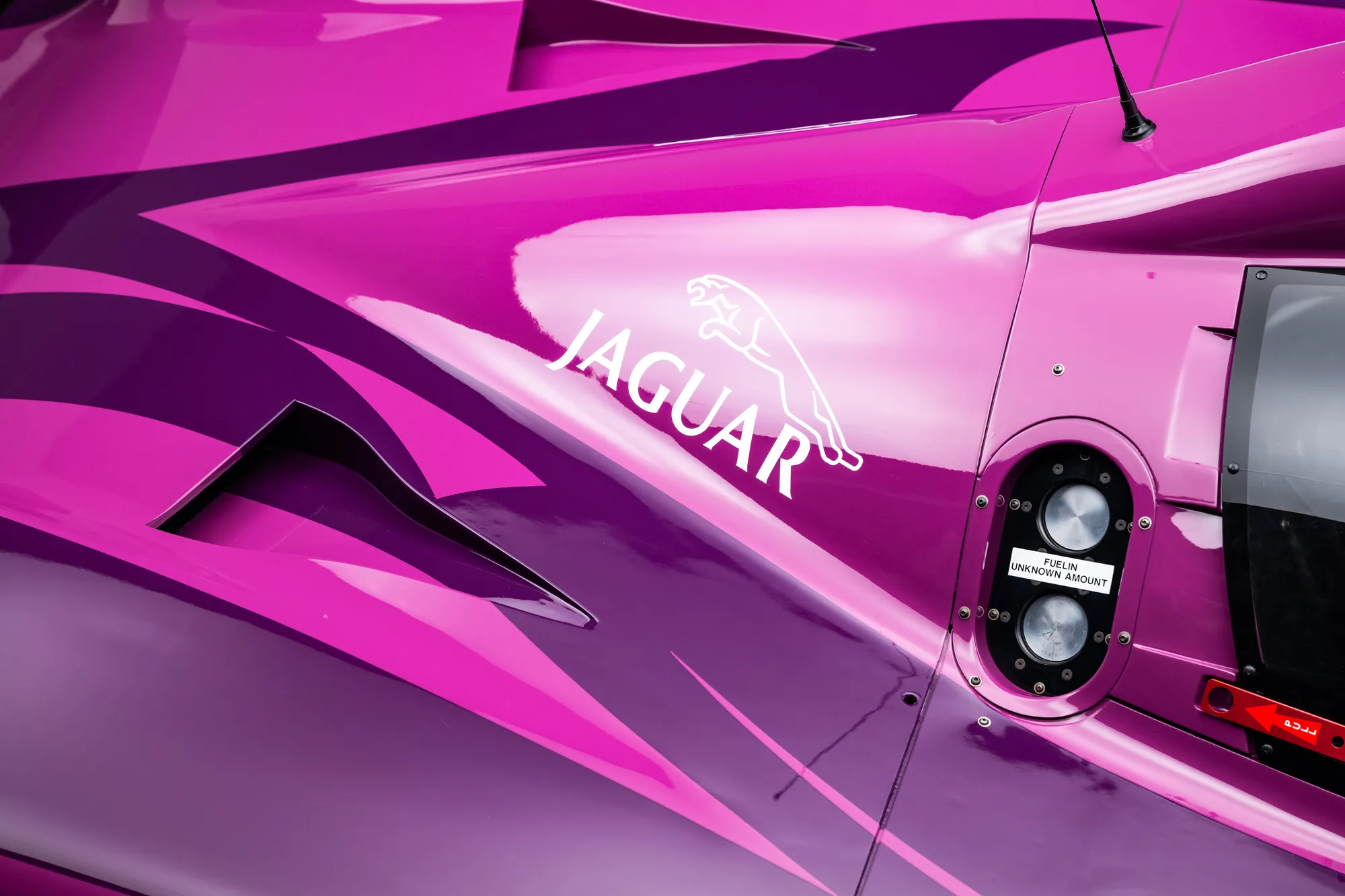
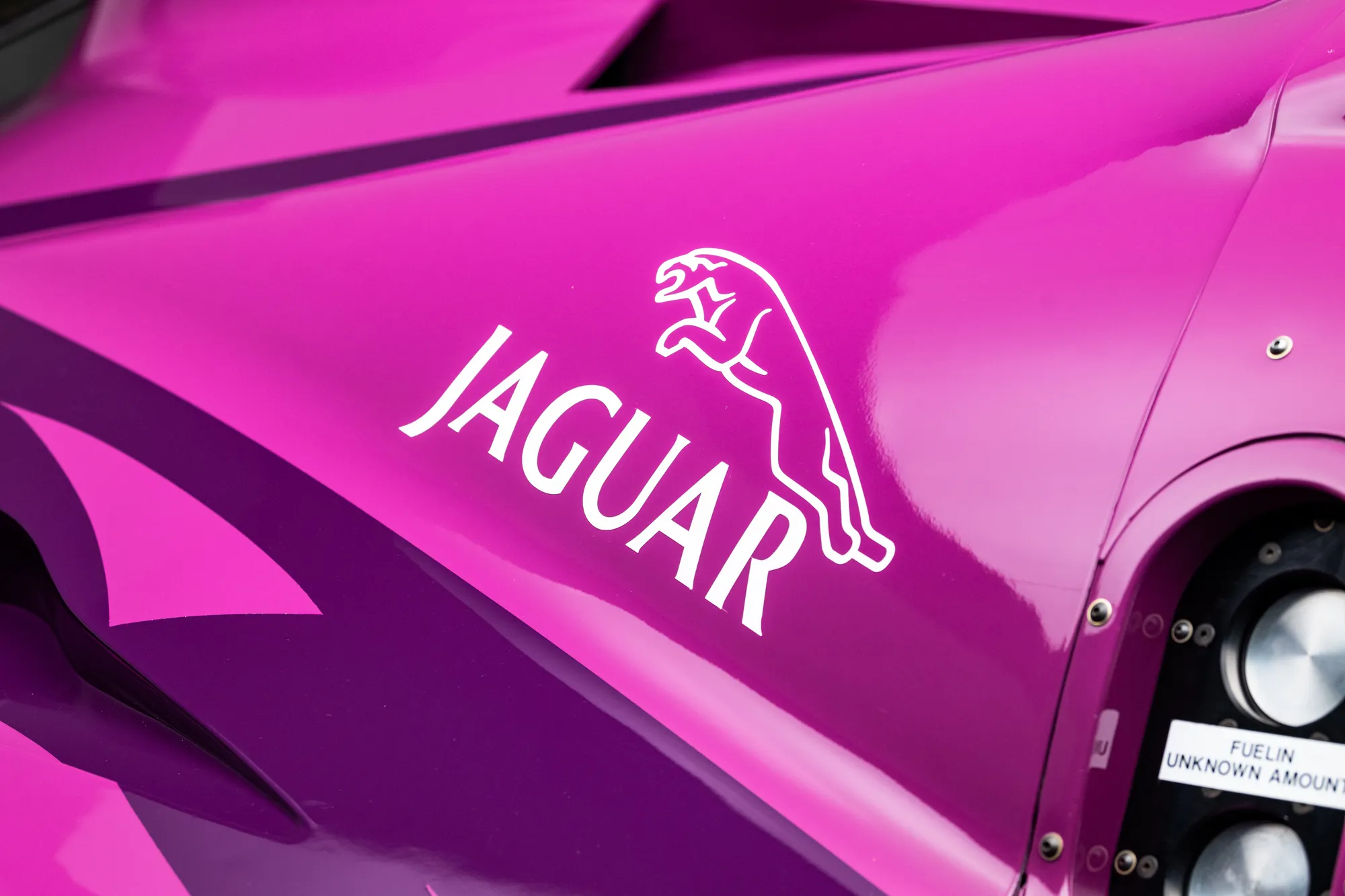
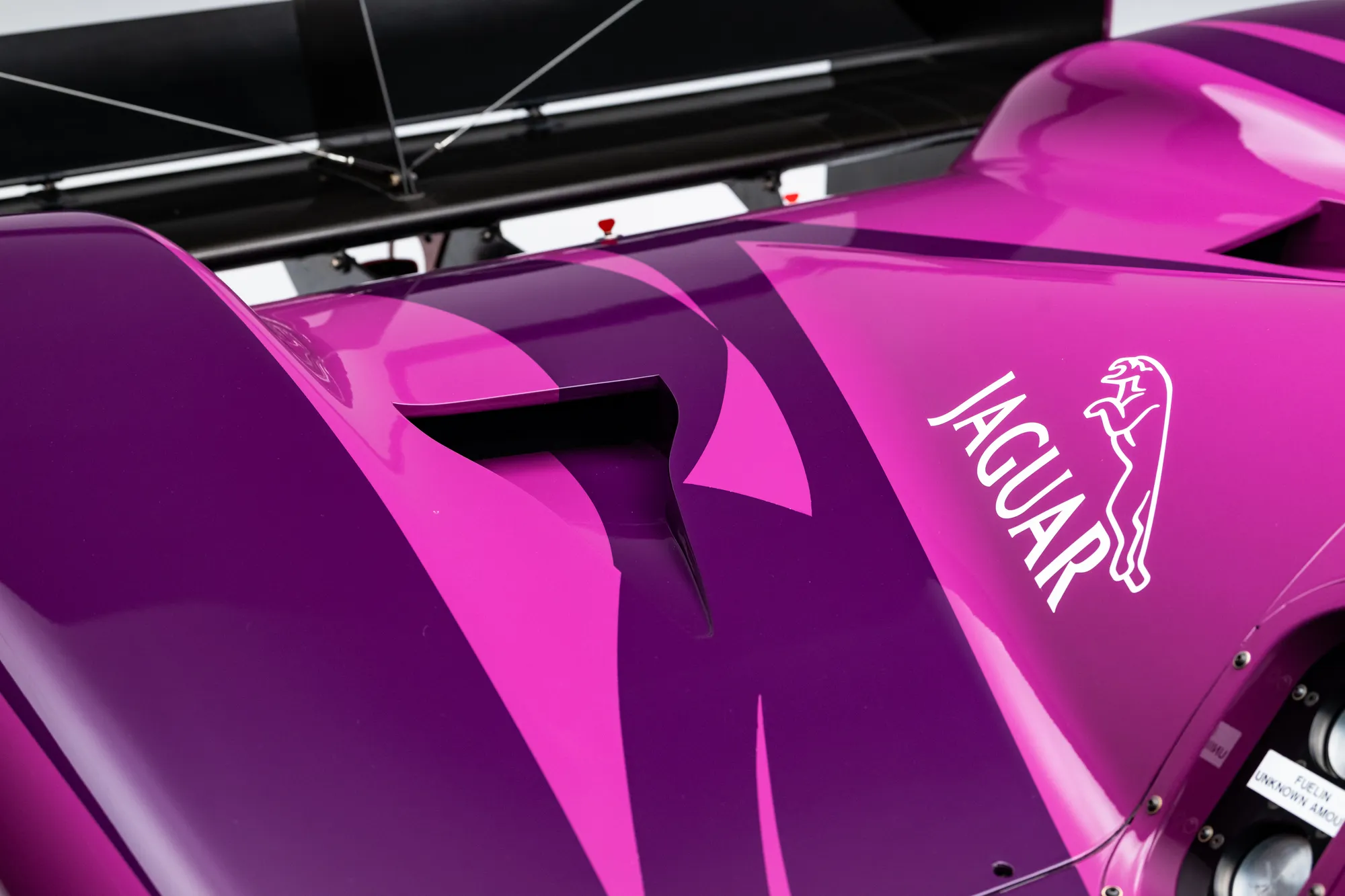
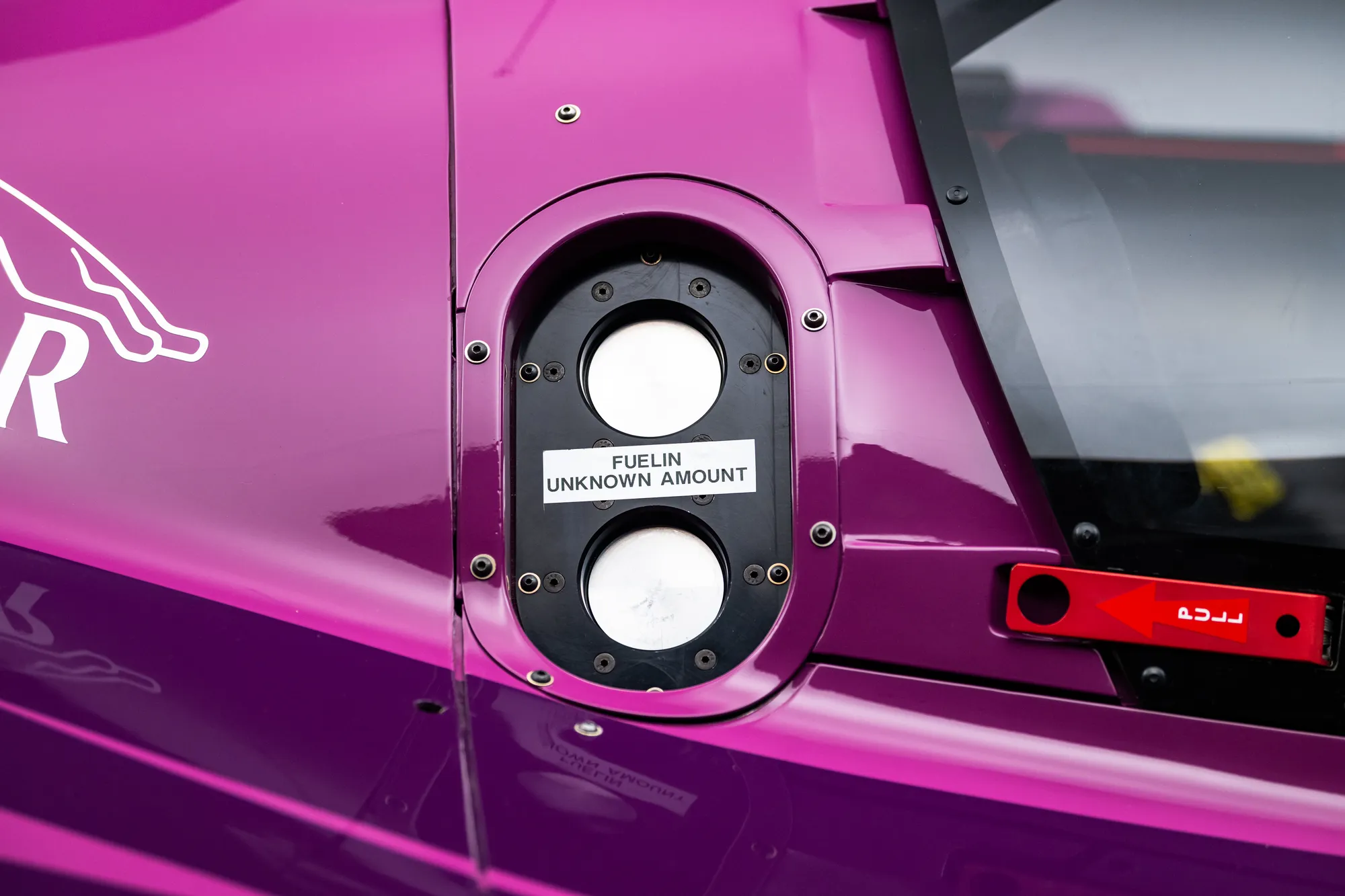
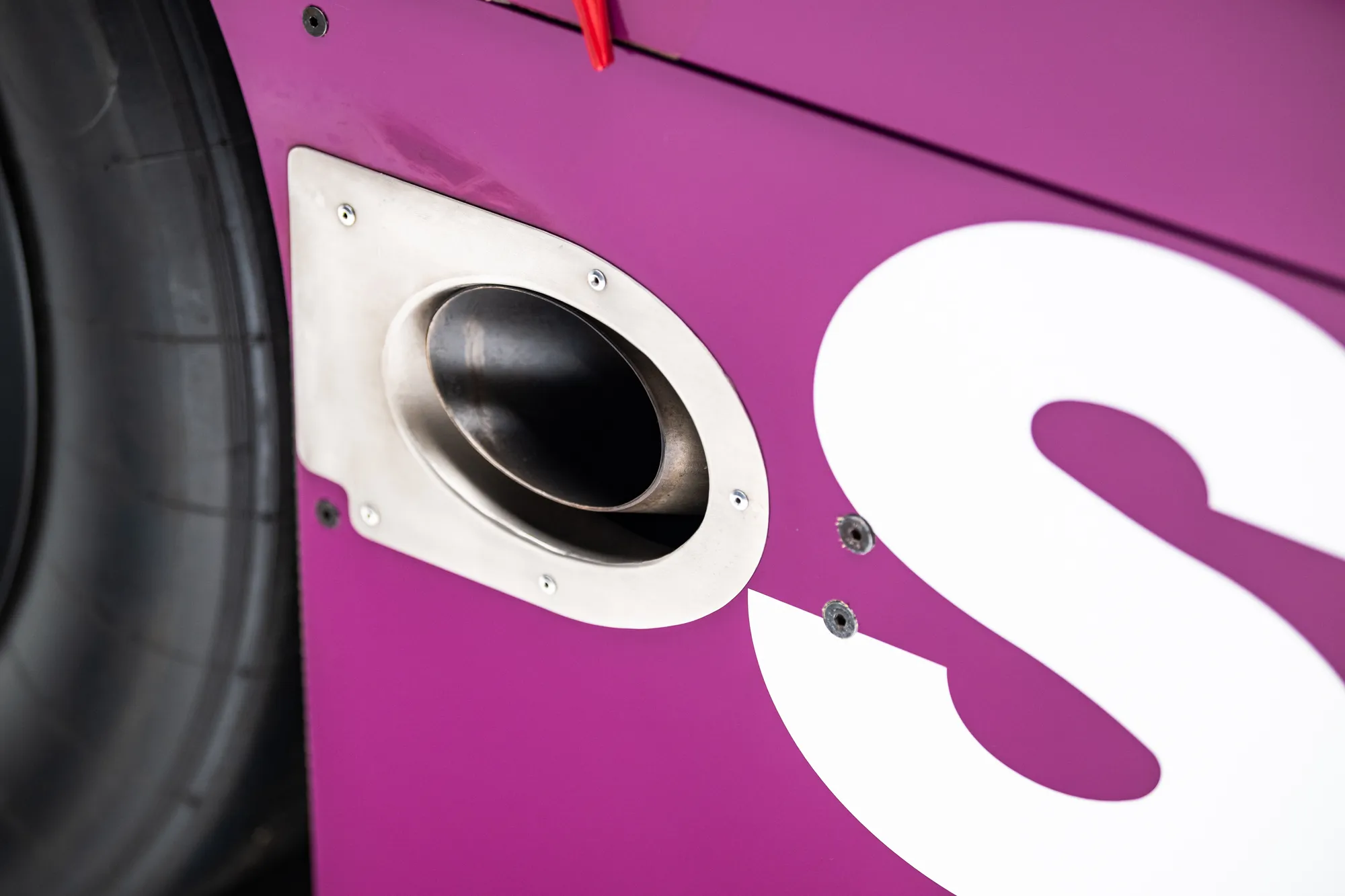
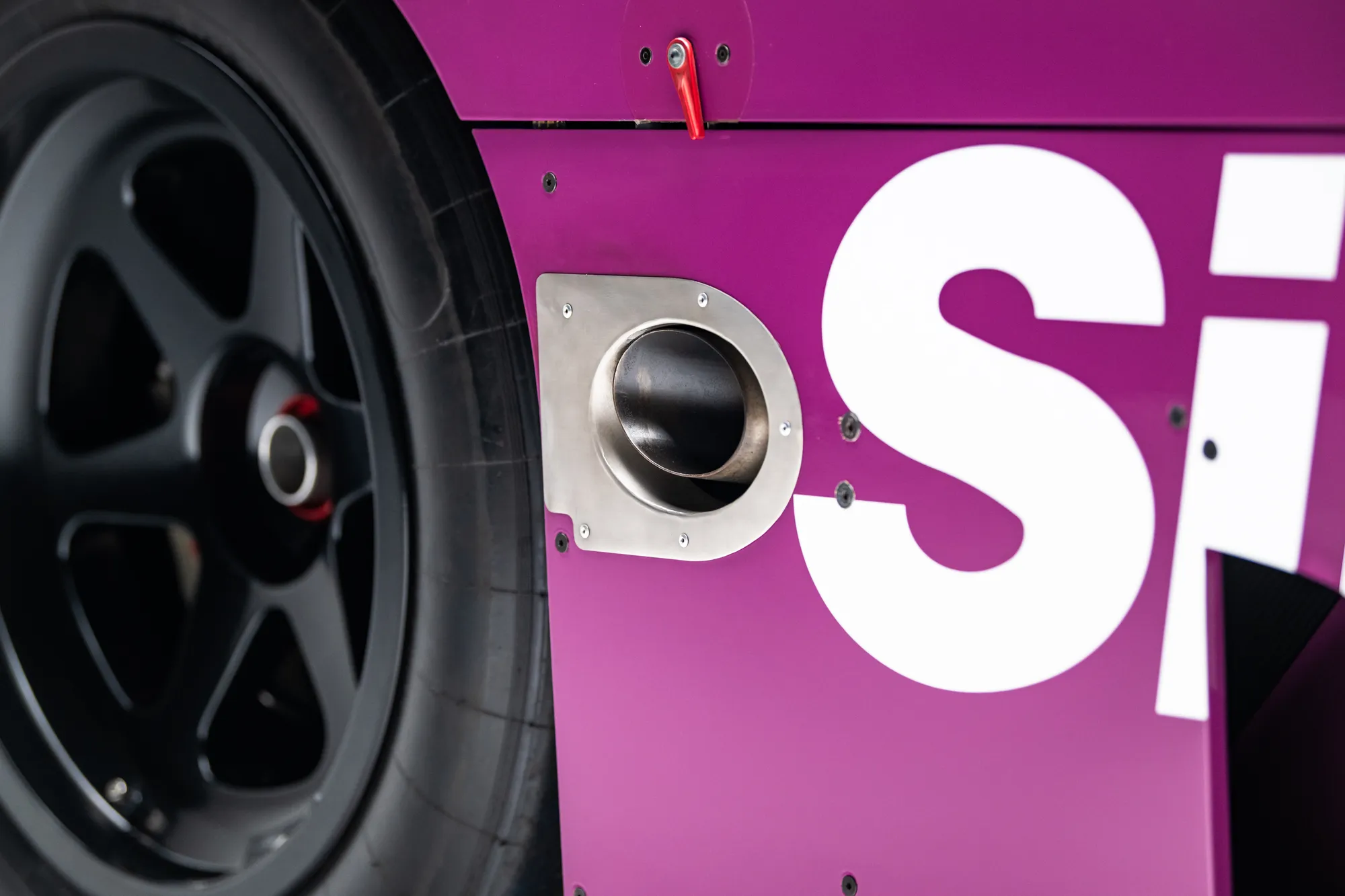
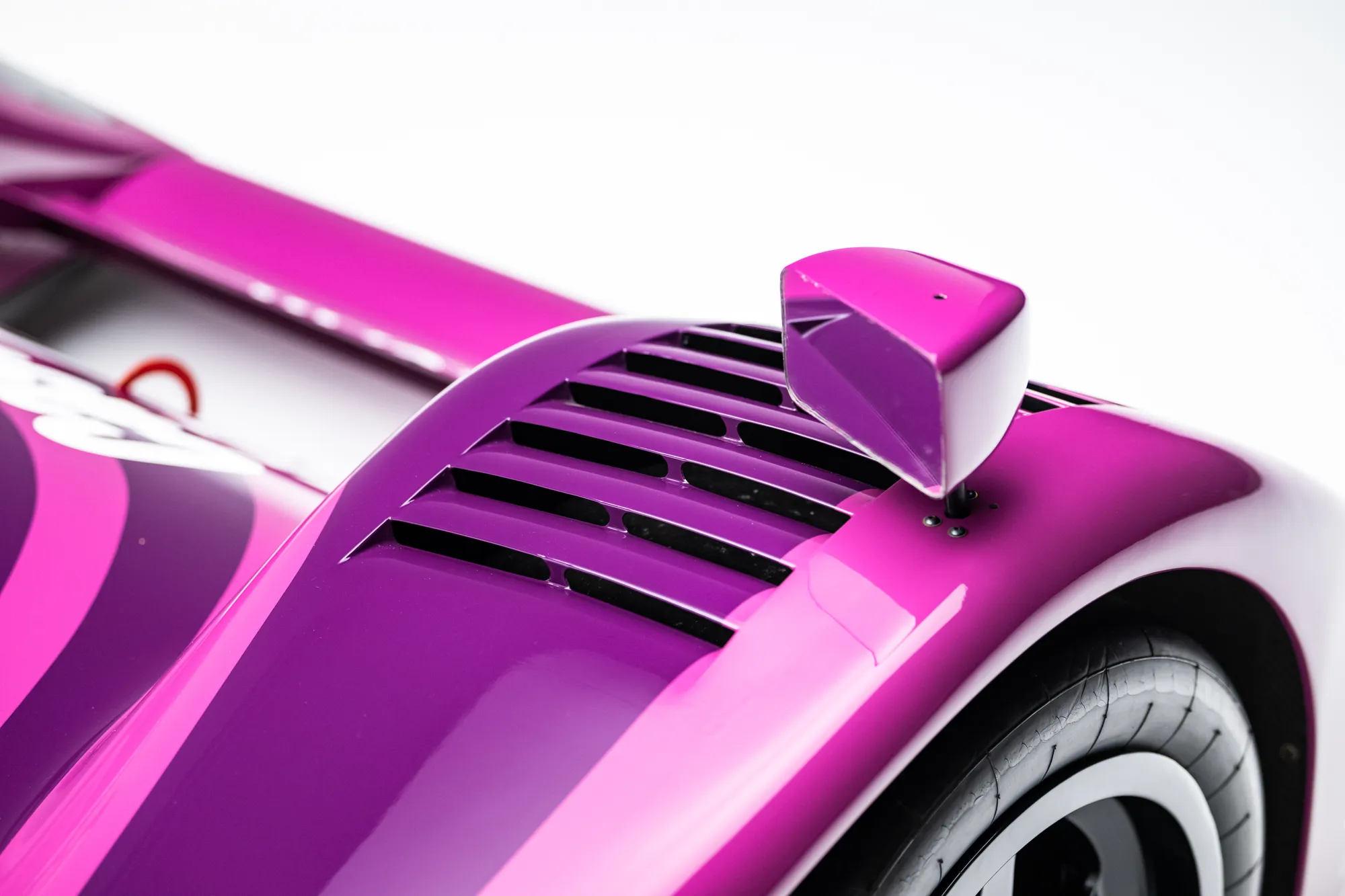
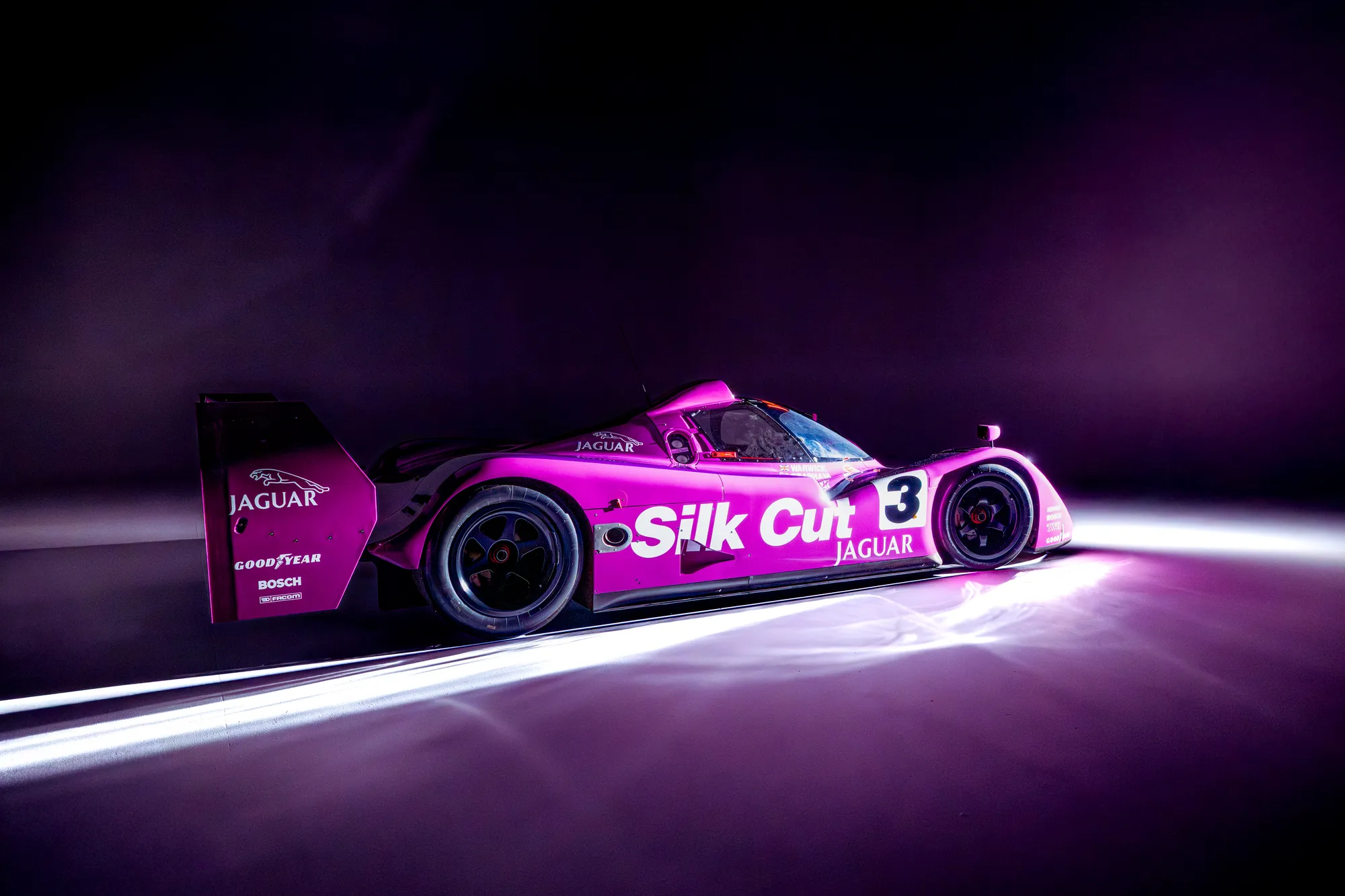
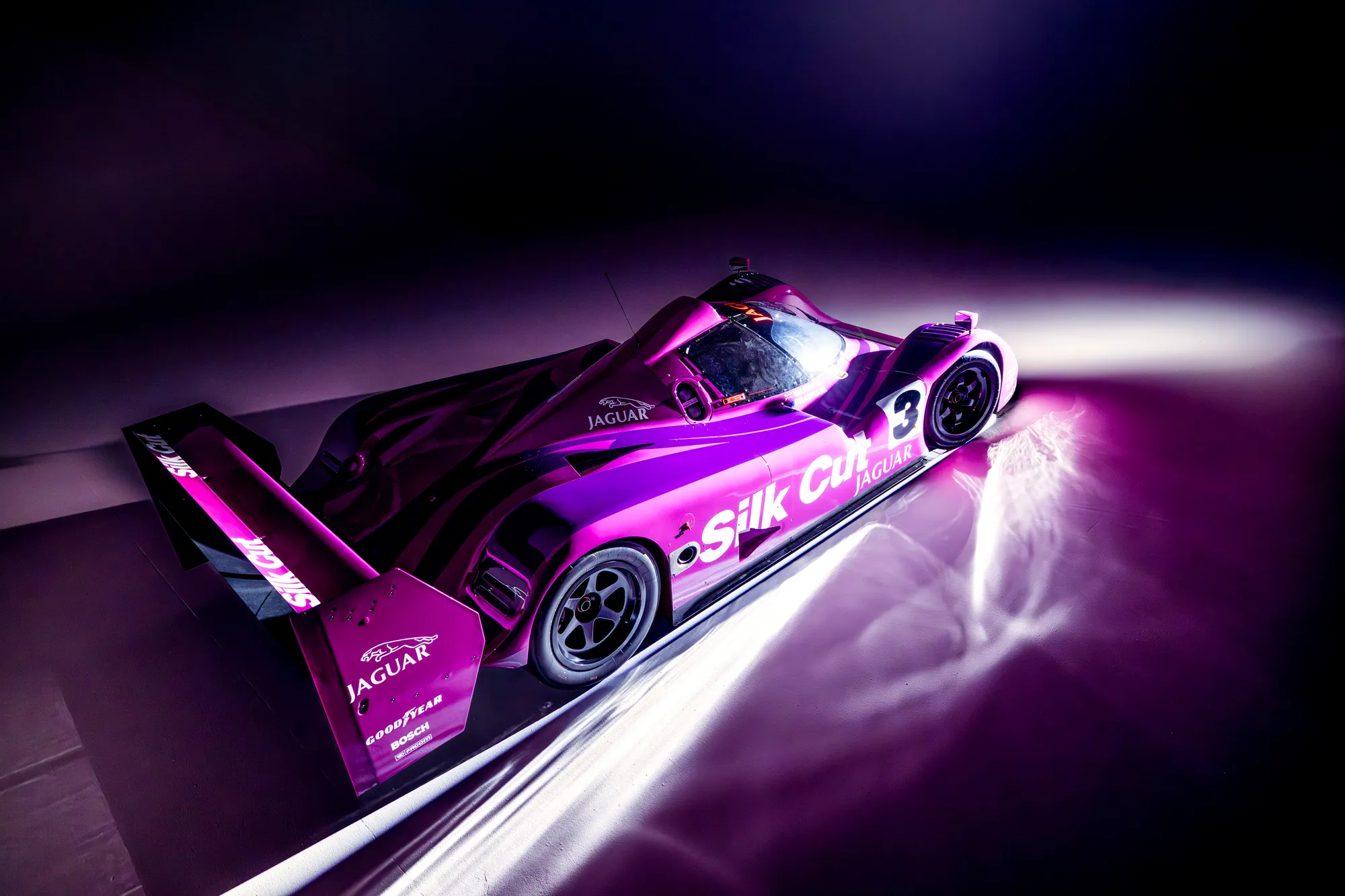
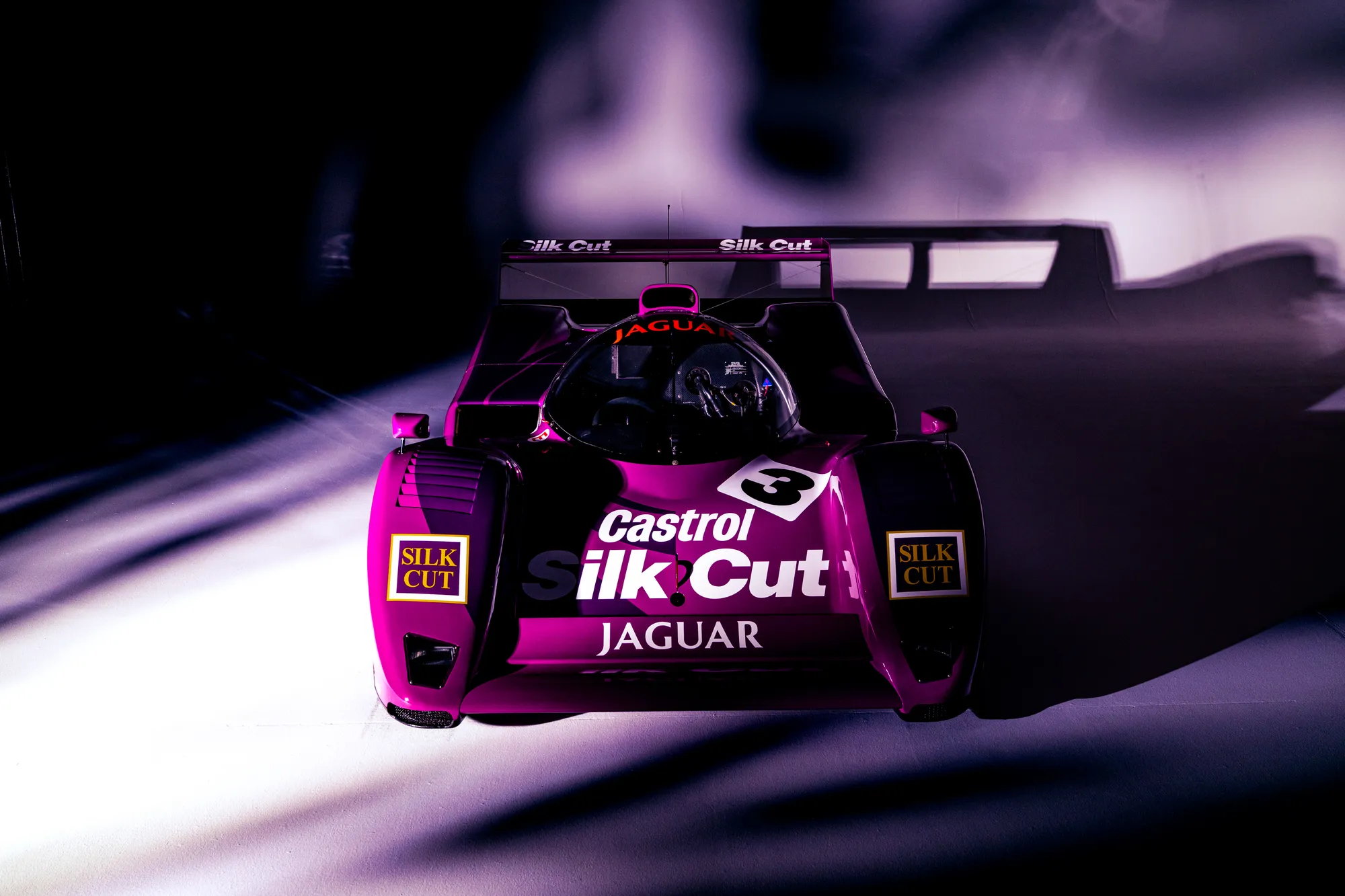
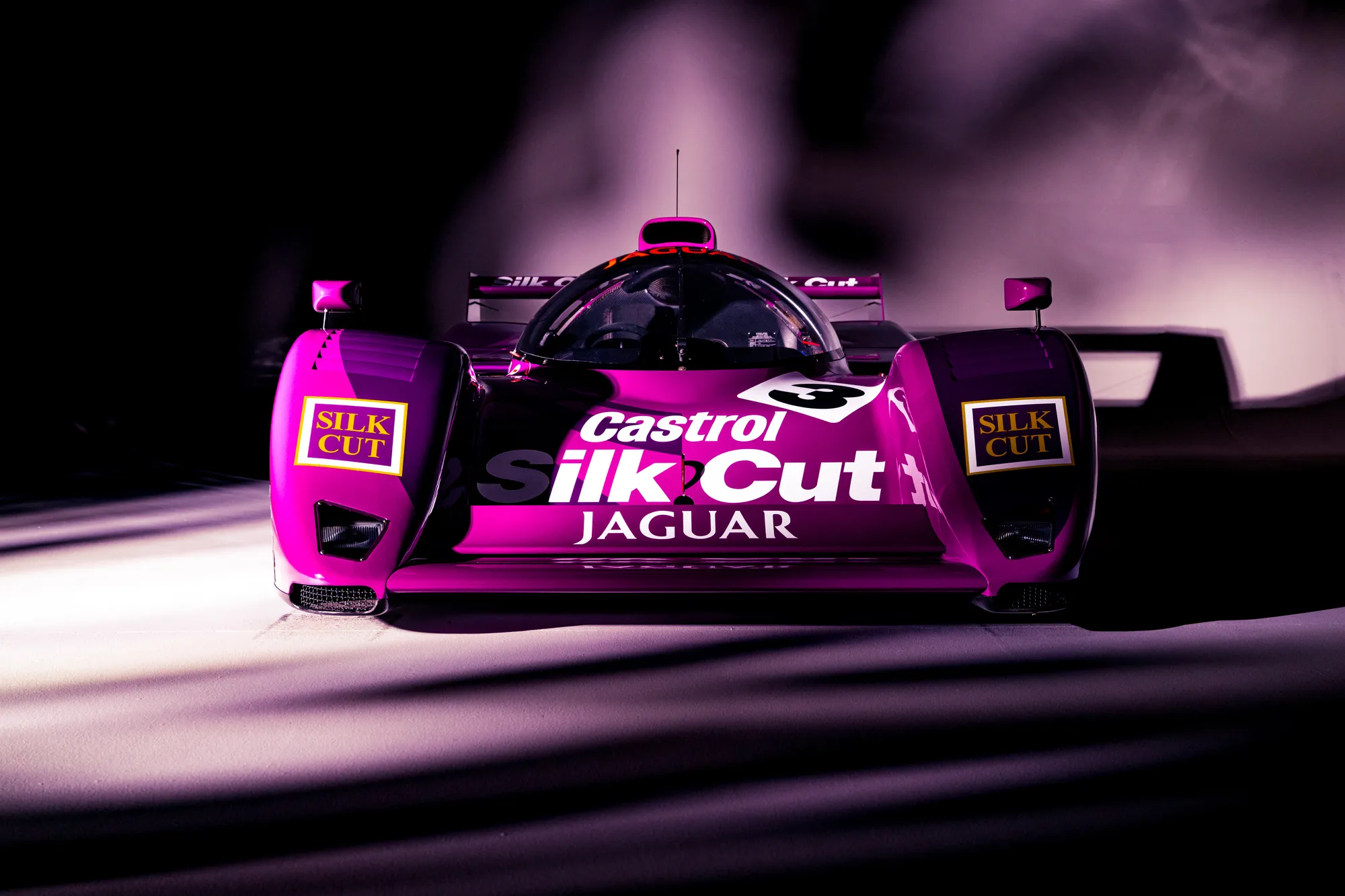
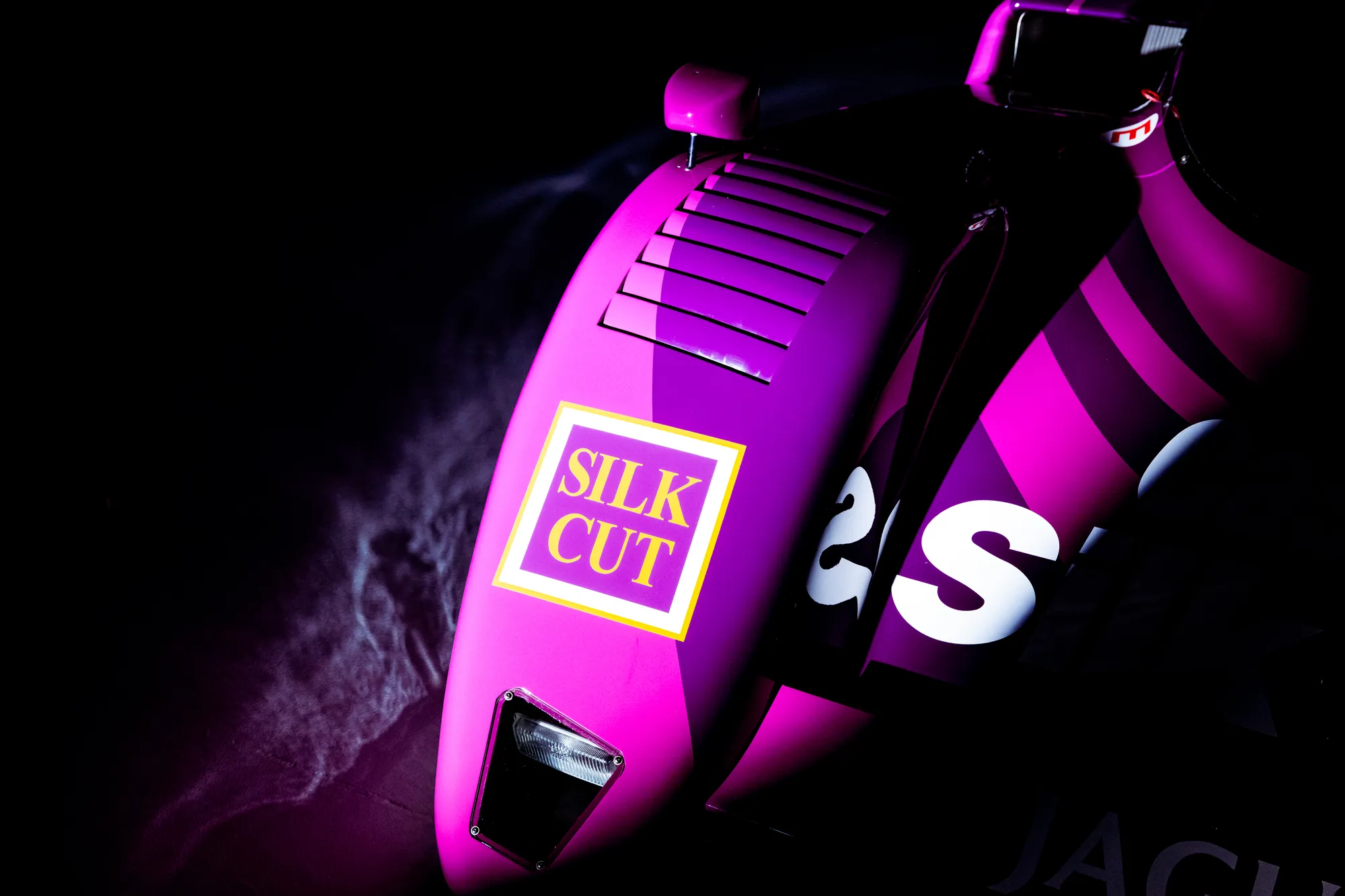
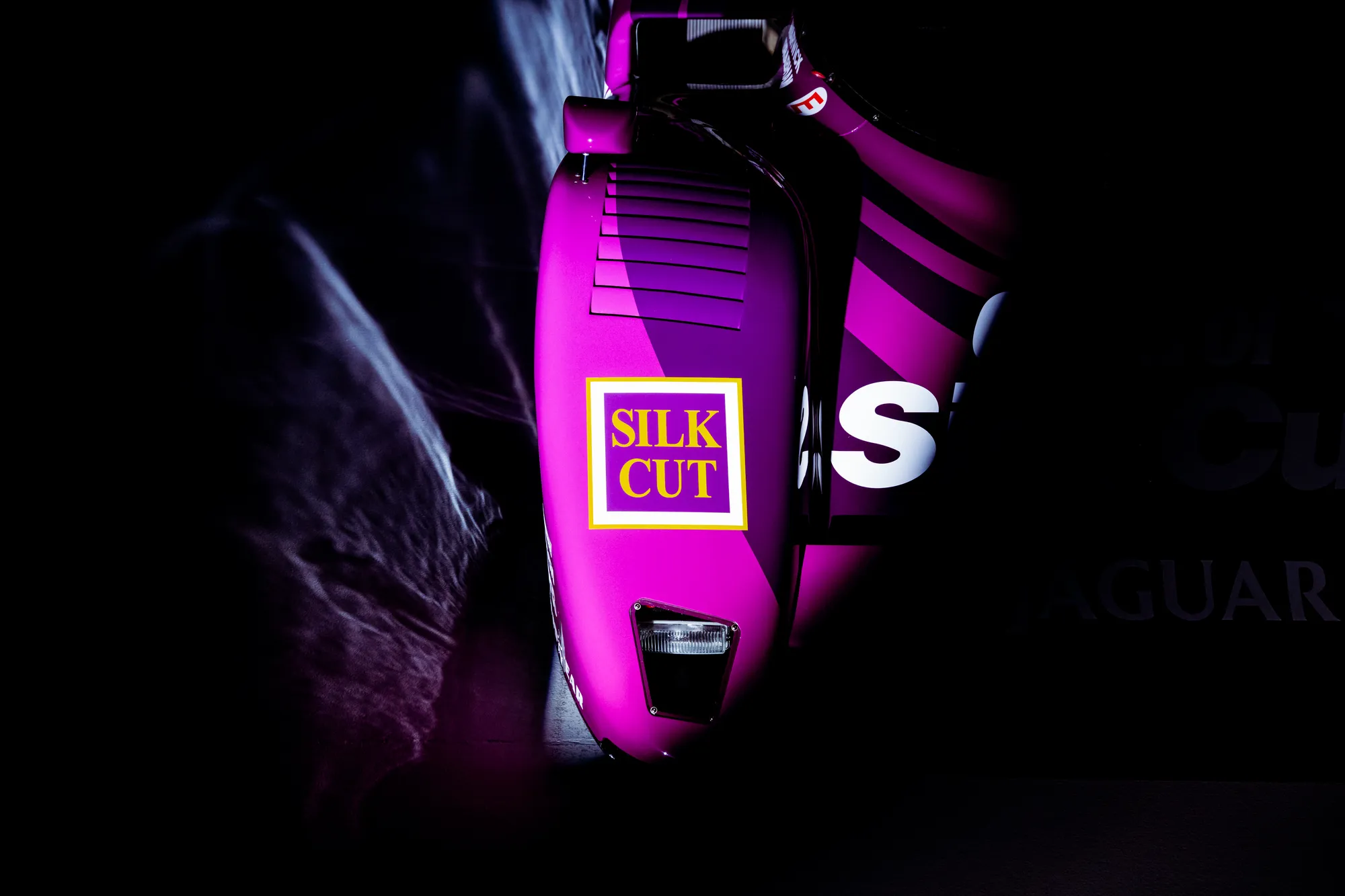
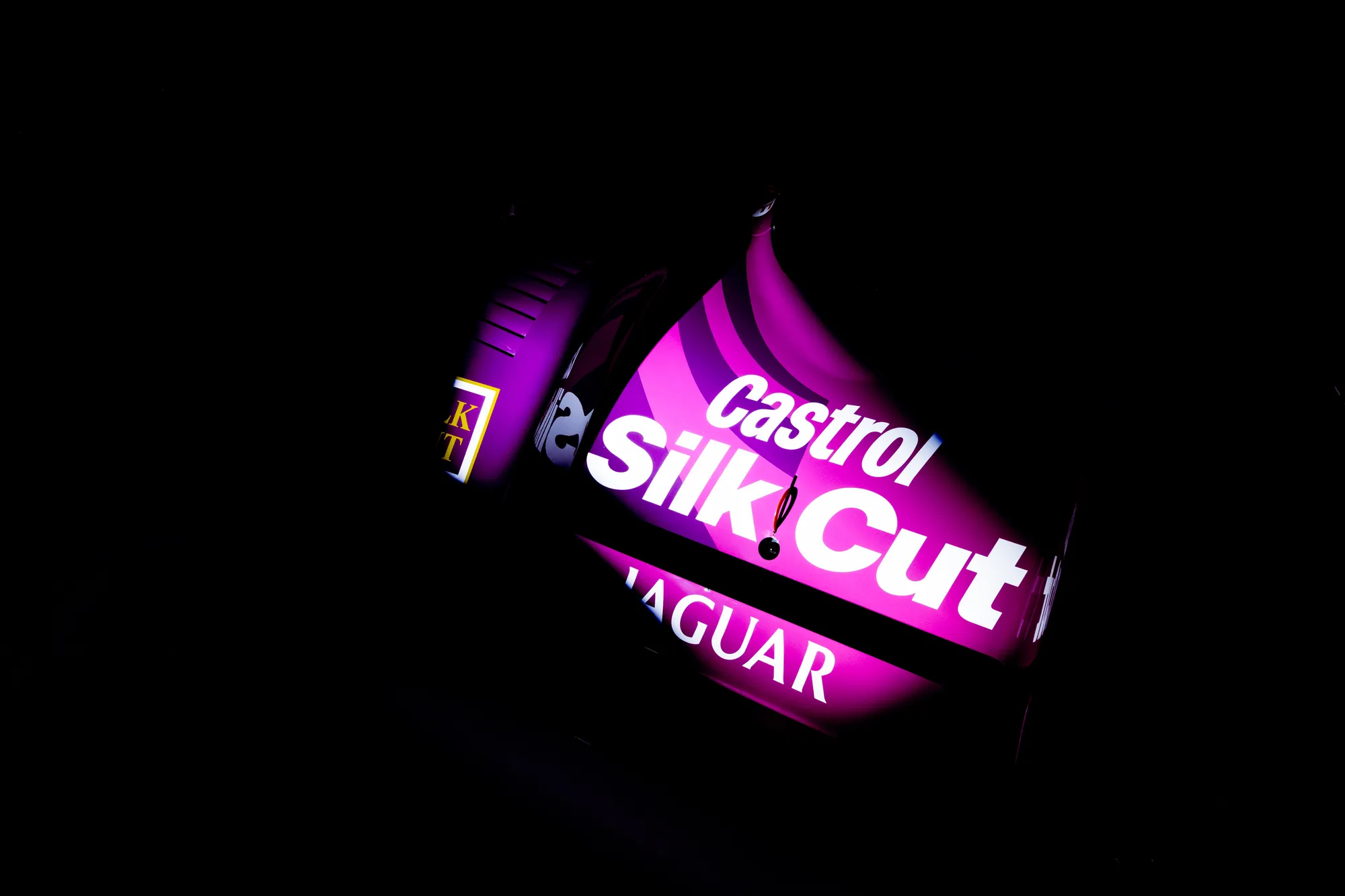
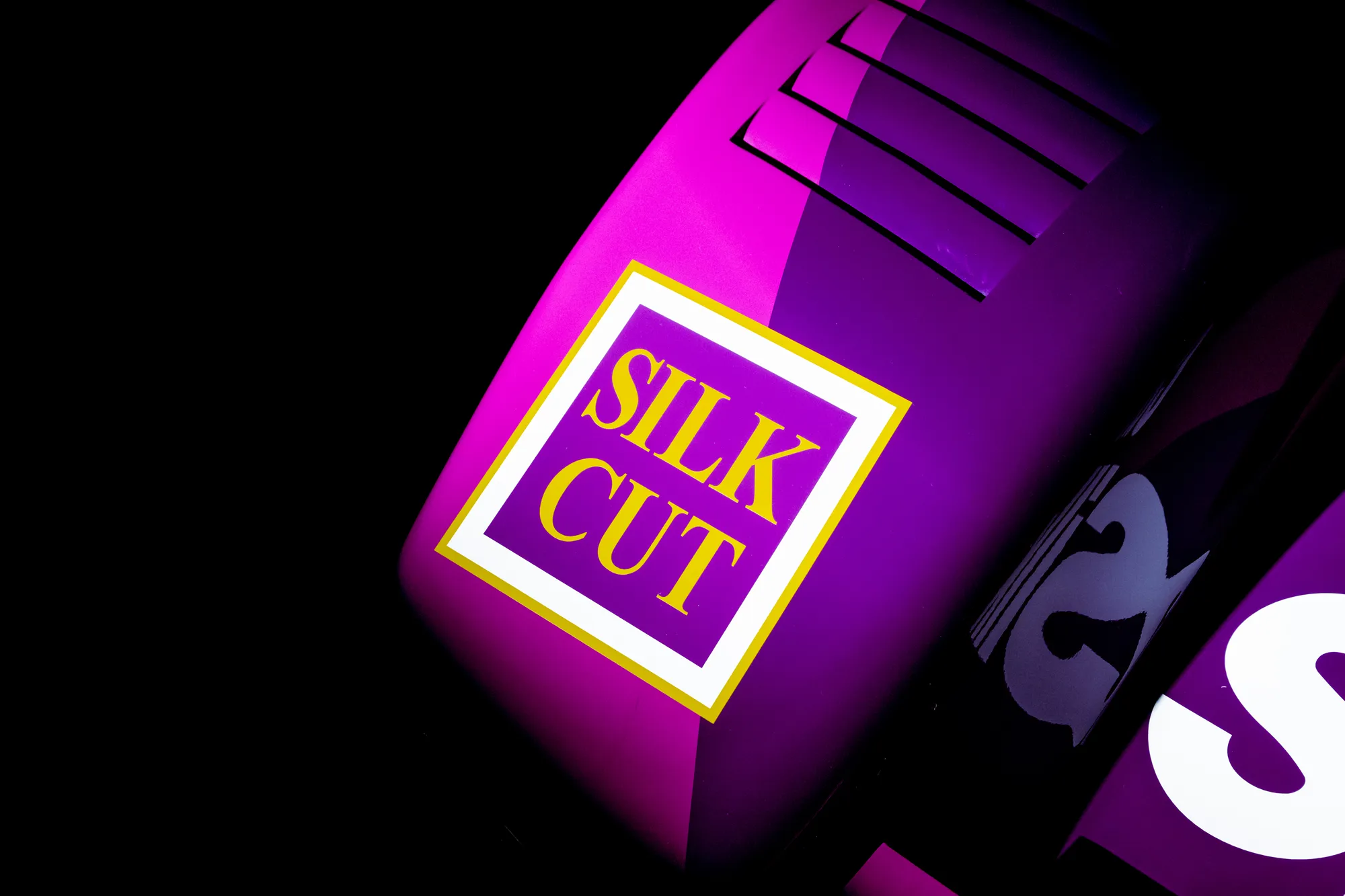
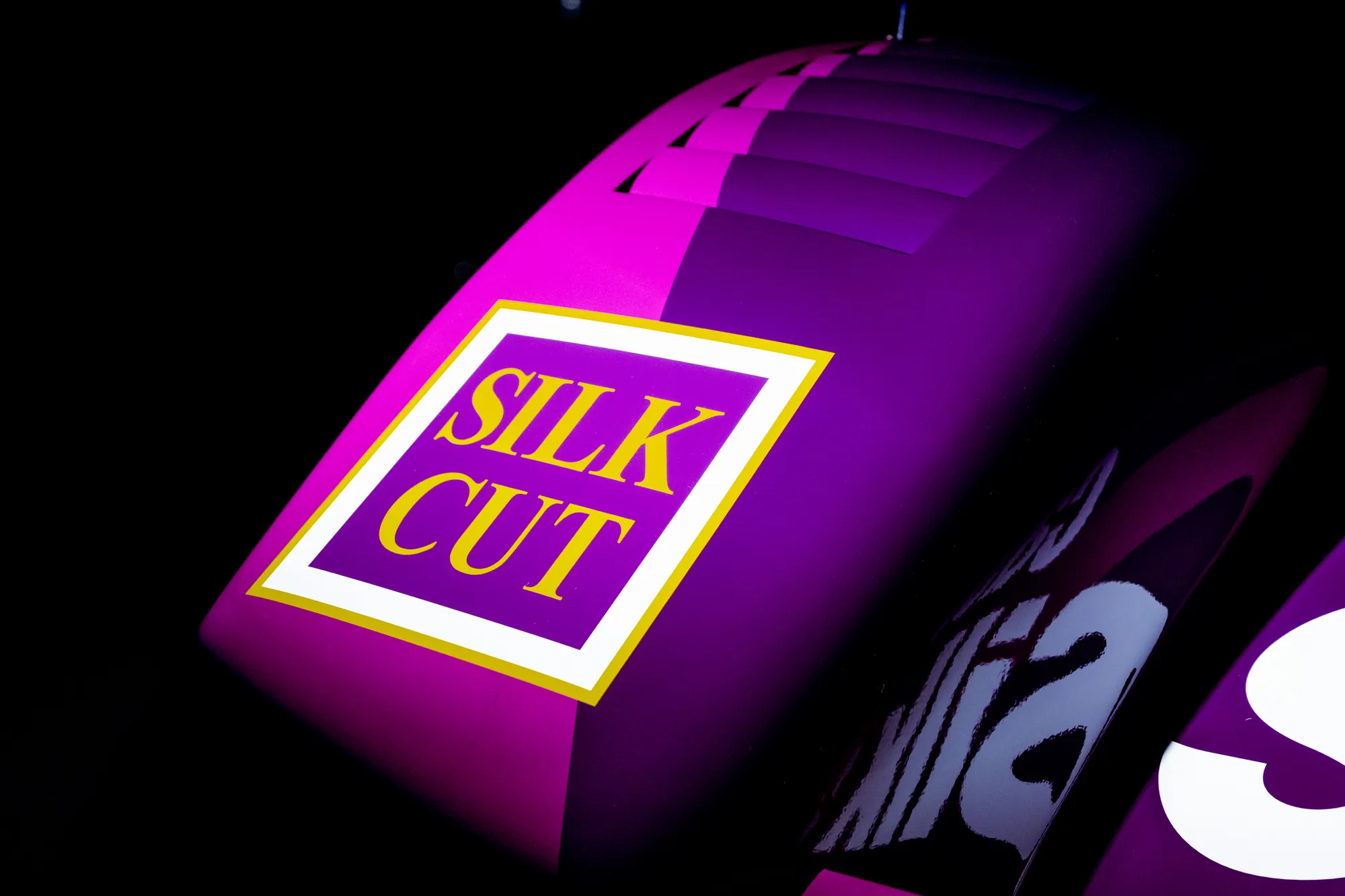
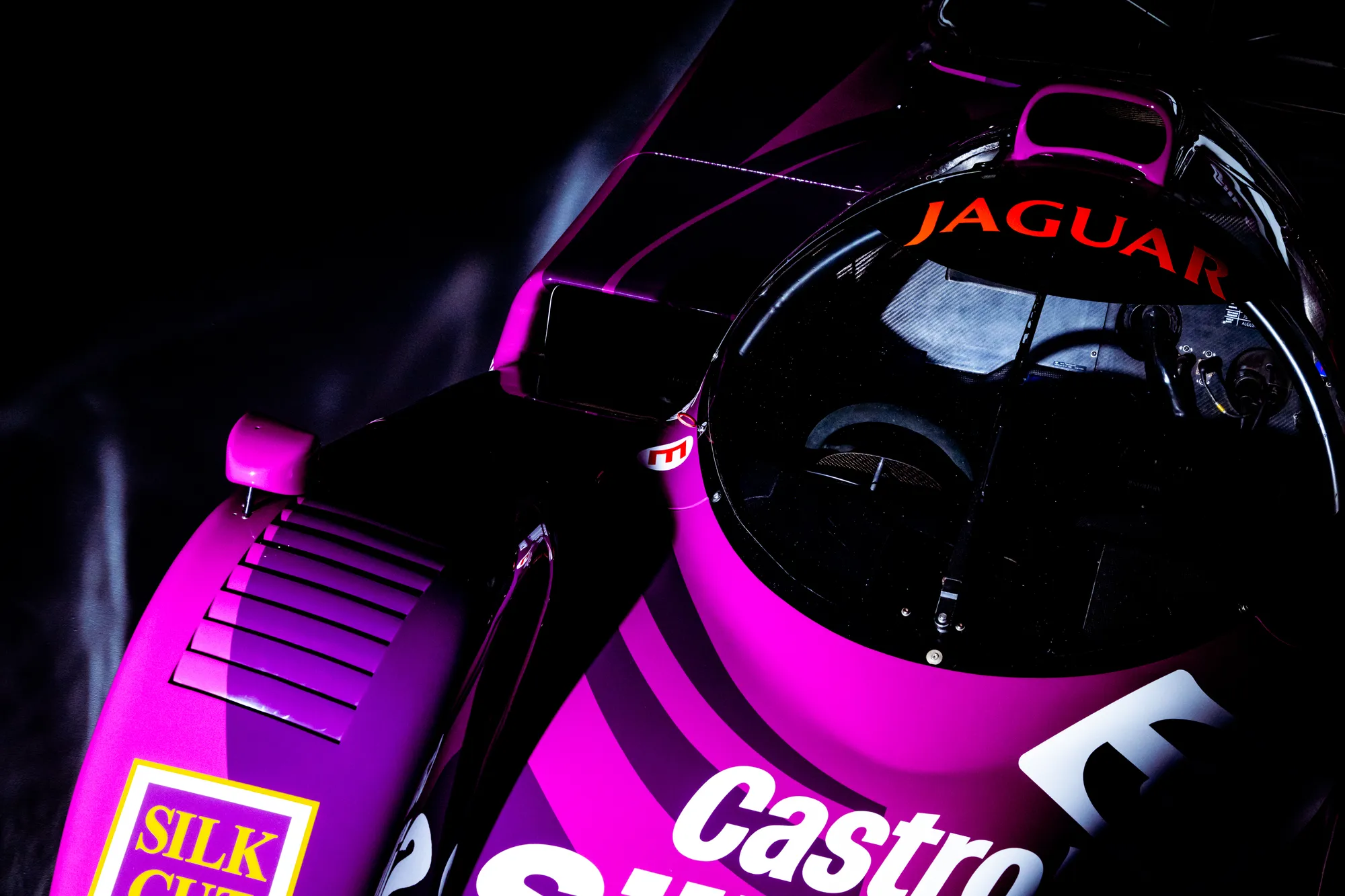
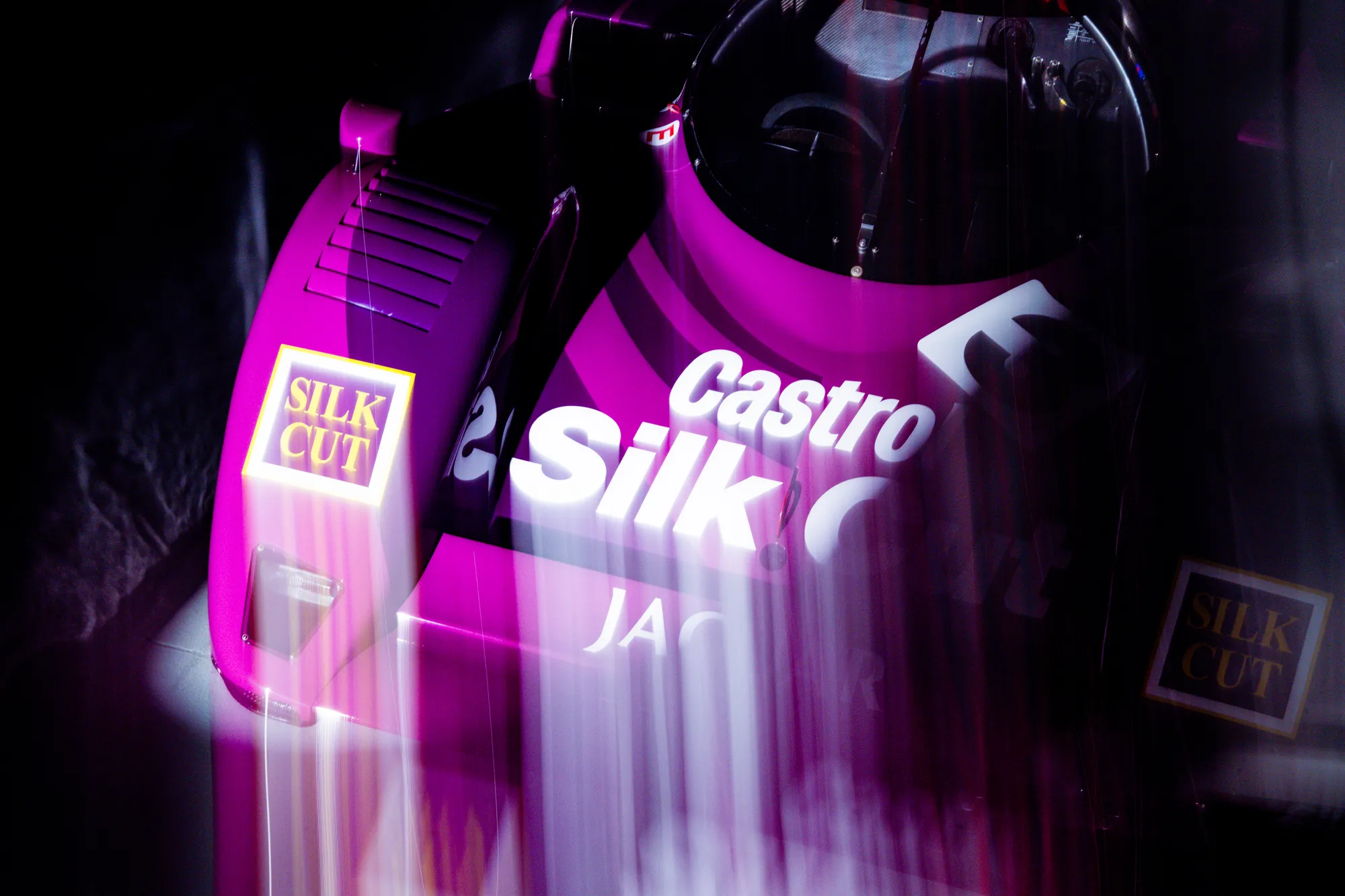
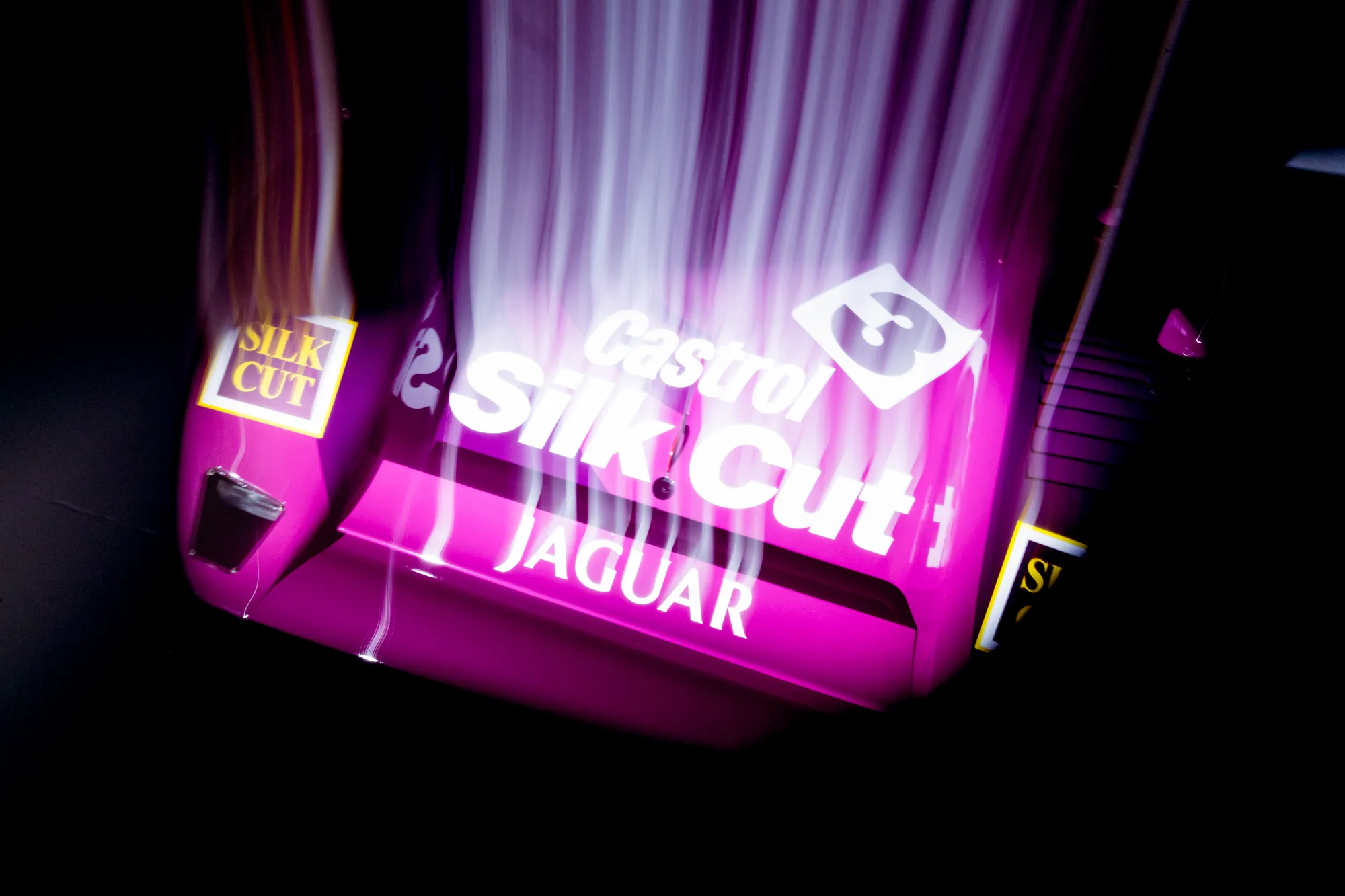
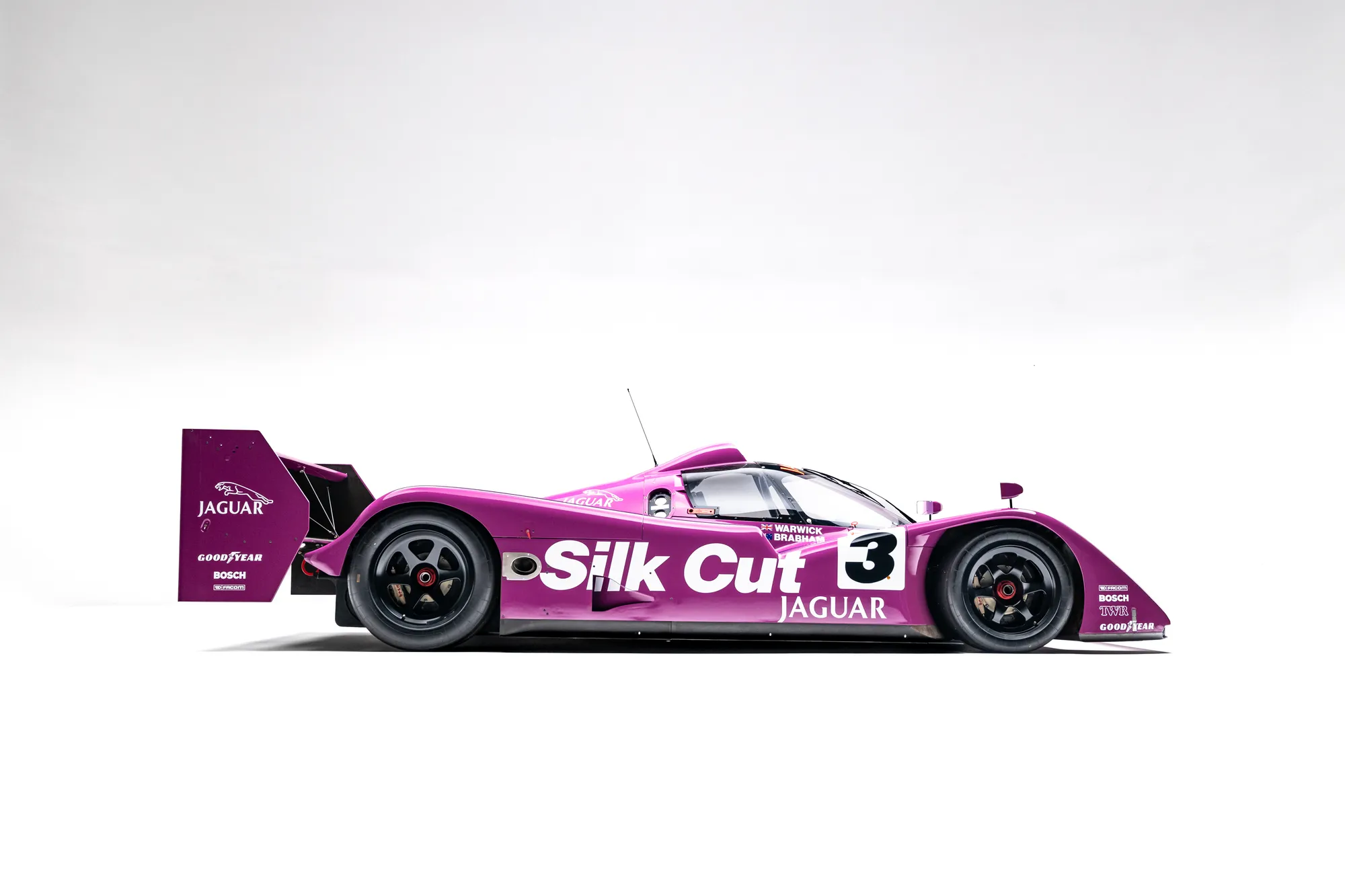
In the final years of Group C, as regulations shifted toward 3.5‑litre, Formula 1–style engines, few cars captured the new direction as clearly as the Jaguar XJR‑14. Conceived by Tom Walkinshaw Racing as a clean break from Jaguar’s successful V12 prototypes, it combined an F1‑grade monocoque with a fully enclosed sports‑prototype body and a Jaguar‑badged Cosworth HB V8. Only three were built, each finished in Silk Cut’s two‑tone purple and driven by a frontline roster including Derek Warwick, Teo Fabi, Martin Brundle and David Brabham.
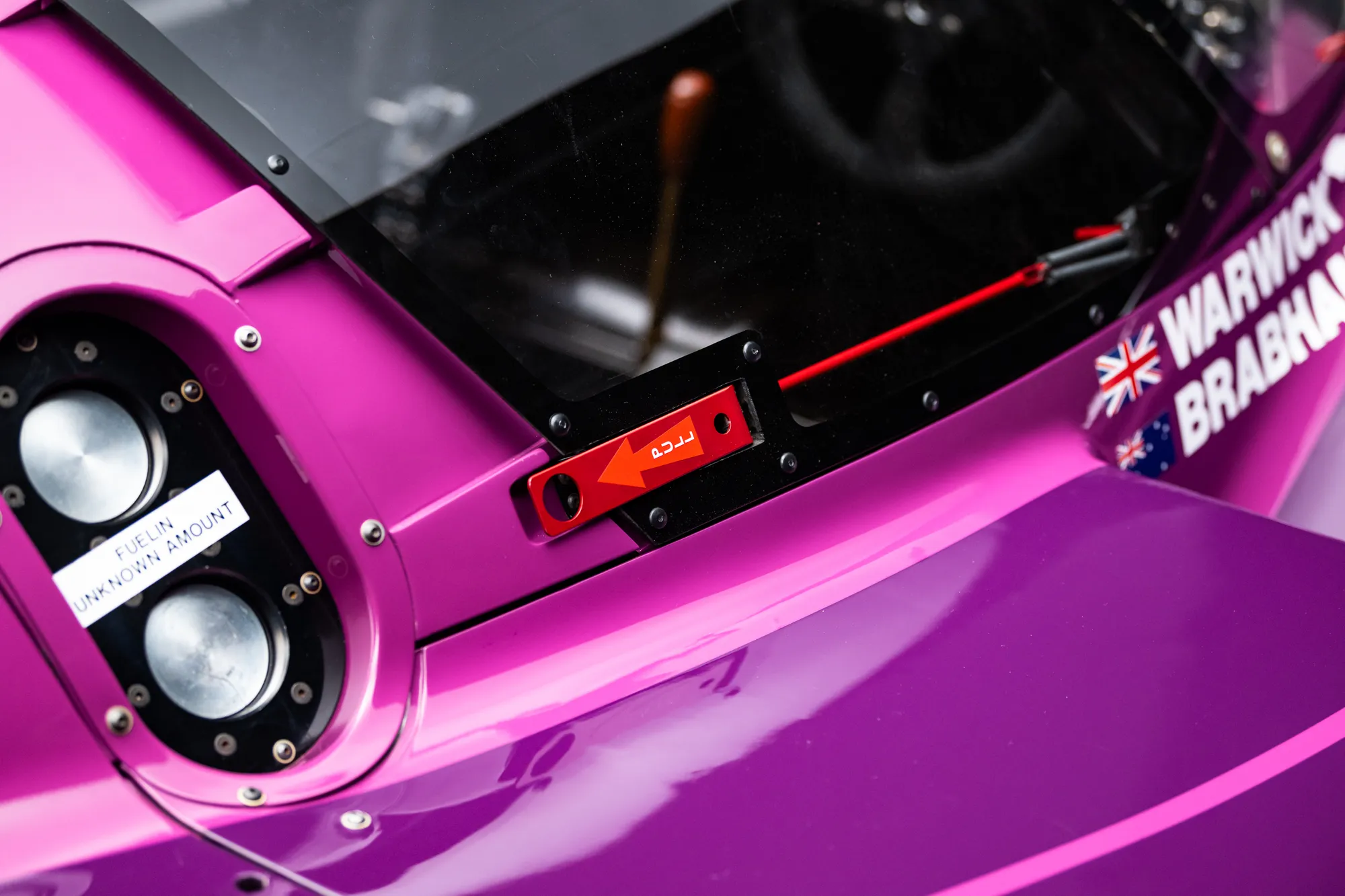
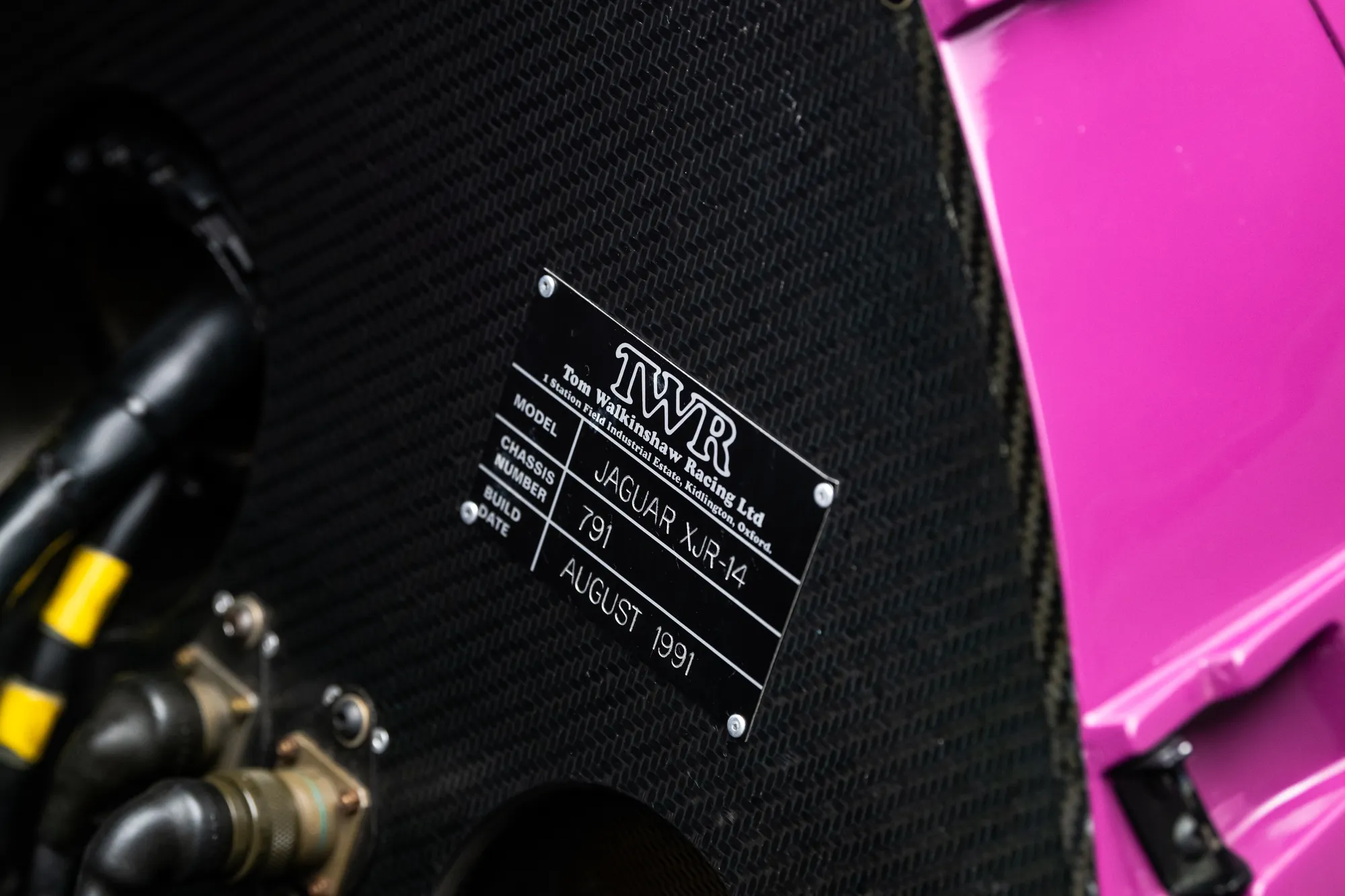
The car offered here, Jaguar XJR‑14 chassis 791, is the third of those three works cars. It was introduced mid‑season in 1991 and immediately delivered, winning on its debut at the Nürburgring 1000 km in the hands of Warwick and Brabham. The same chassis would later be sent to the United States for IMSA duty, where Davy Jones drove it to victory at Road Atlanta in 1992 before a major accident at Lime Rock ended its frontline competition career.
To understand why 791 matters, it is worth tracing the trajectory that produced it. Tom Walkinshaw’s relationship with Jaguar began in touring cars, where TWR‑run XJSs won the European Touring Car Championship in 1984. When Jaguar returned to sports‑car racing in 1985, TWR managed the Group C program using Tony Southgate–designed V12 prototypes that delivered World Sportscar Championship titles in 1987 and 1988 and Le Mans victories in 1988 and 1990.
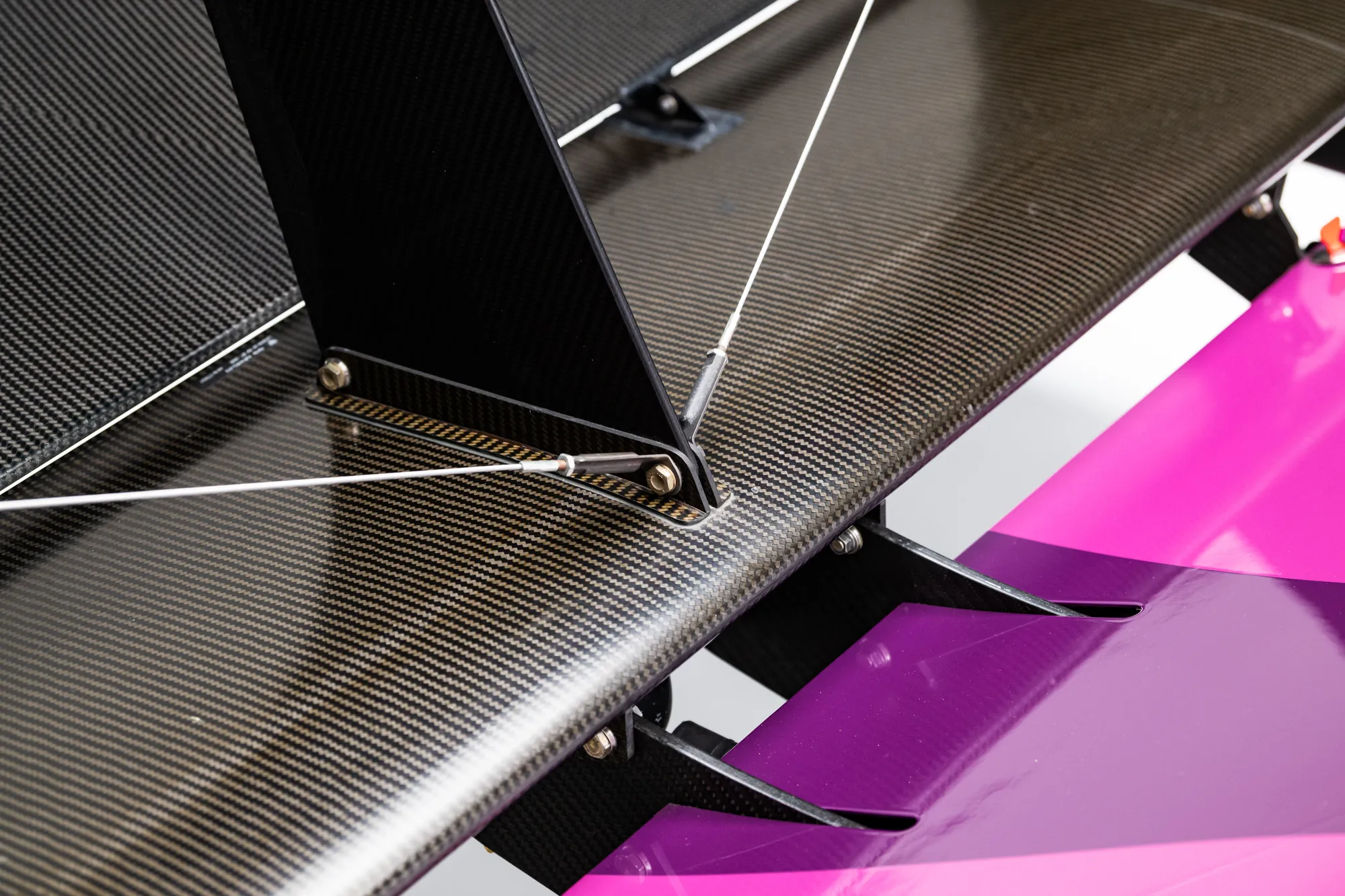
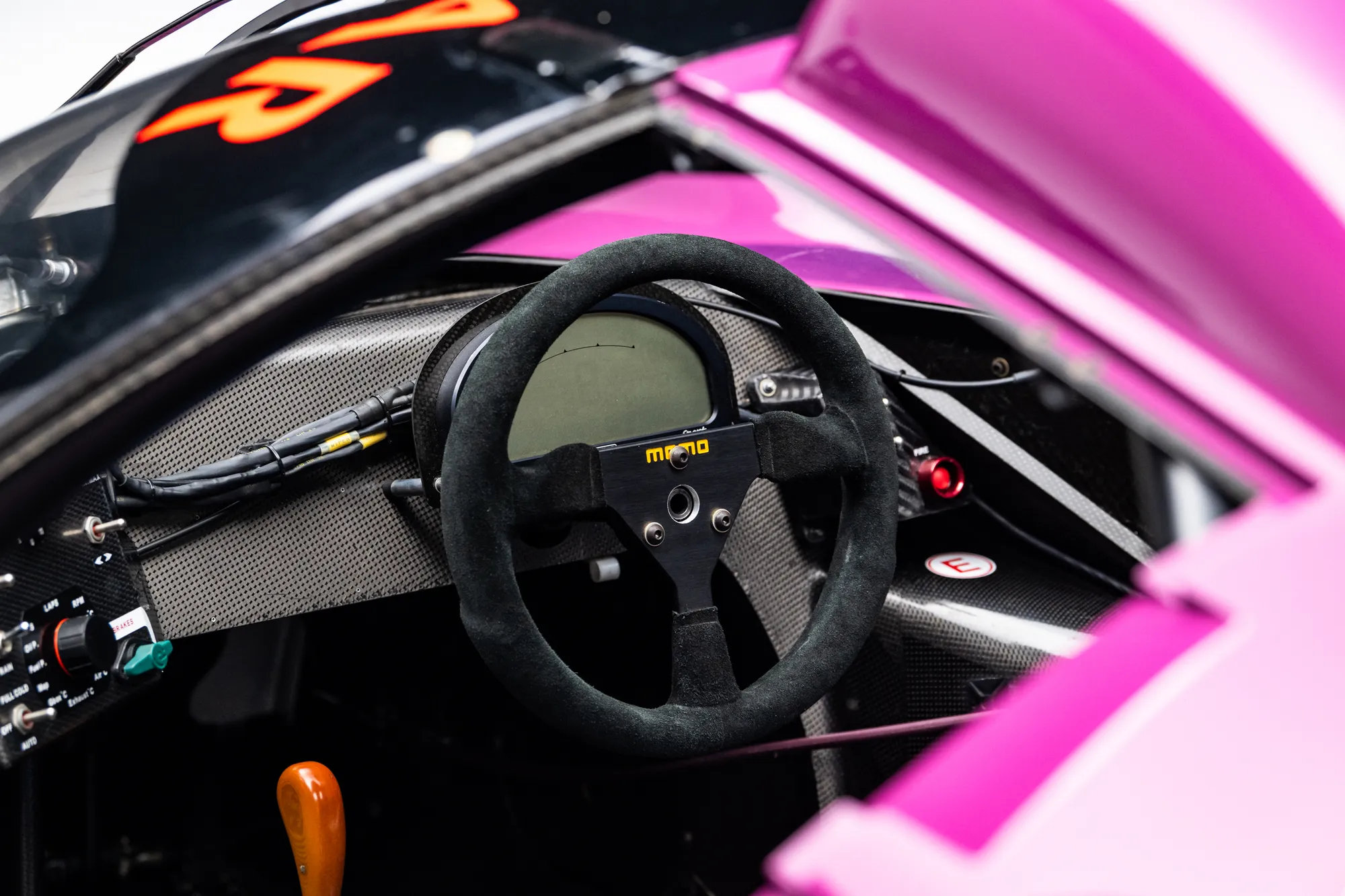
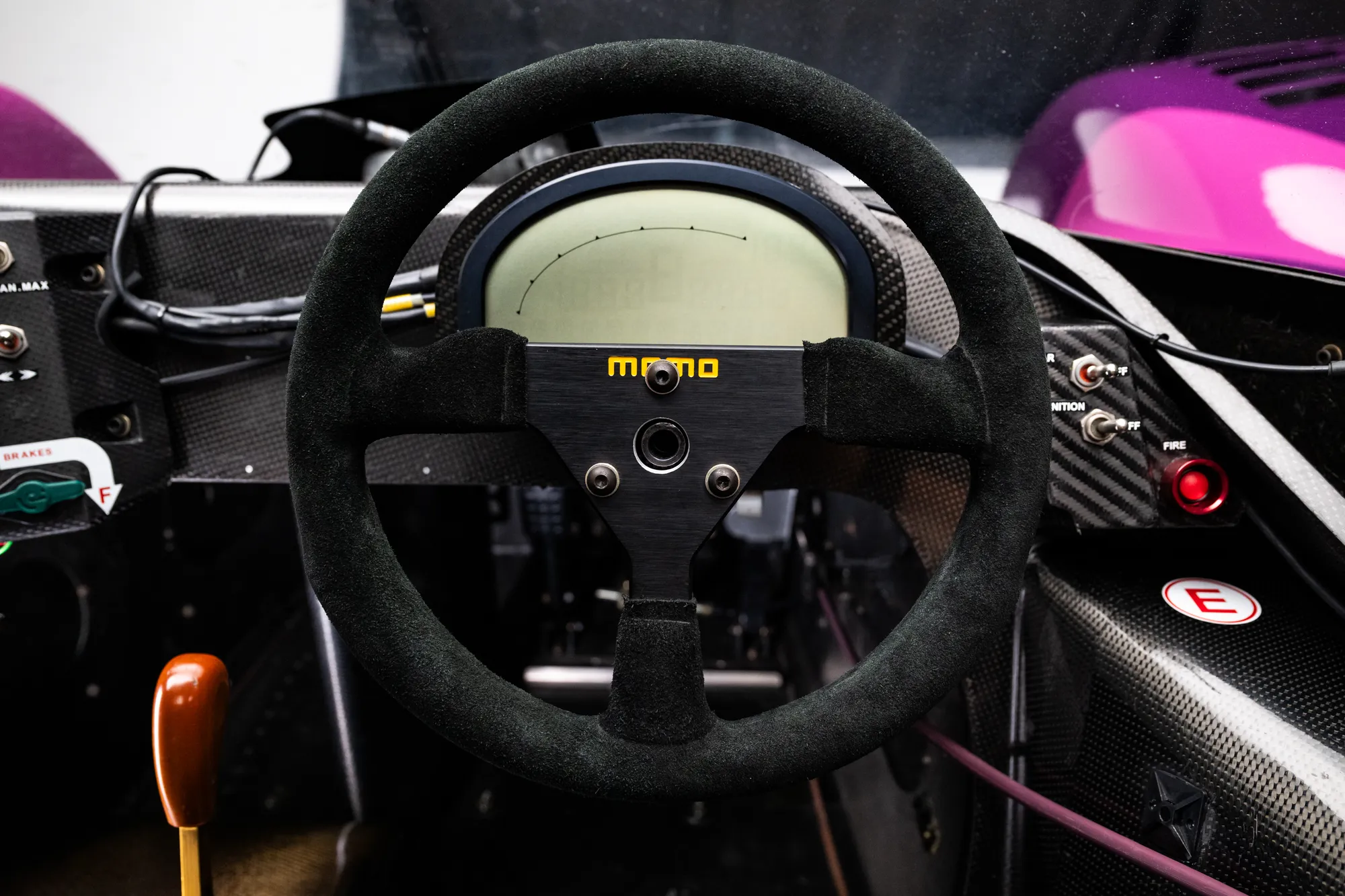
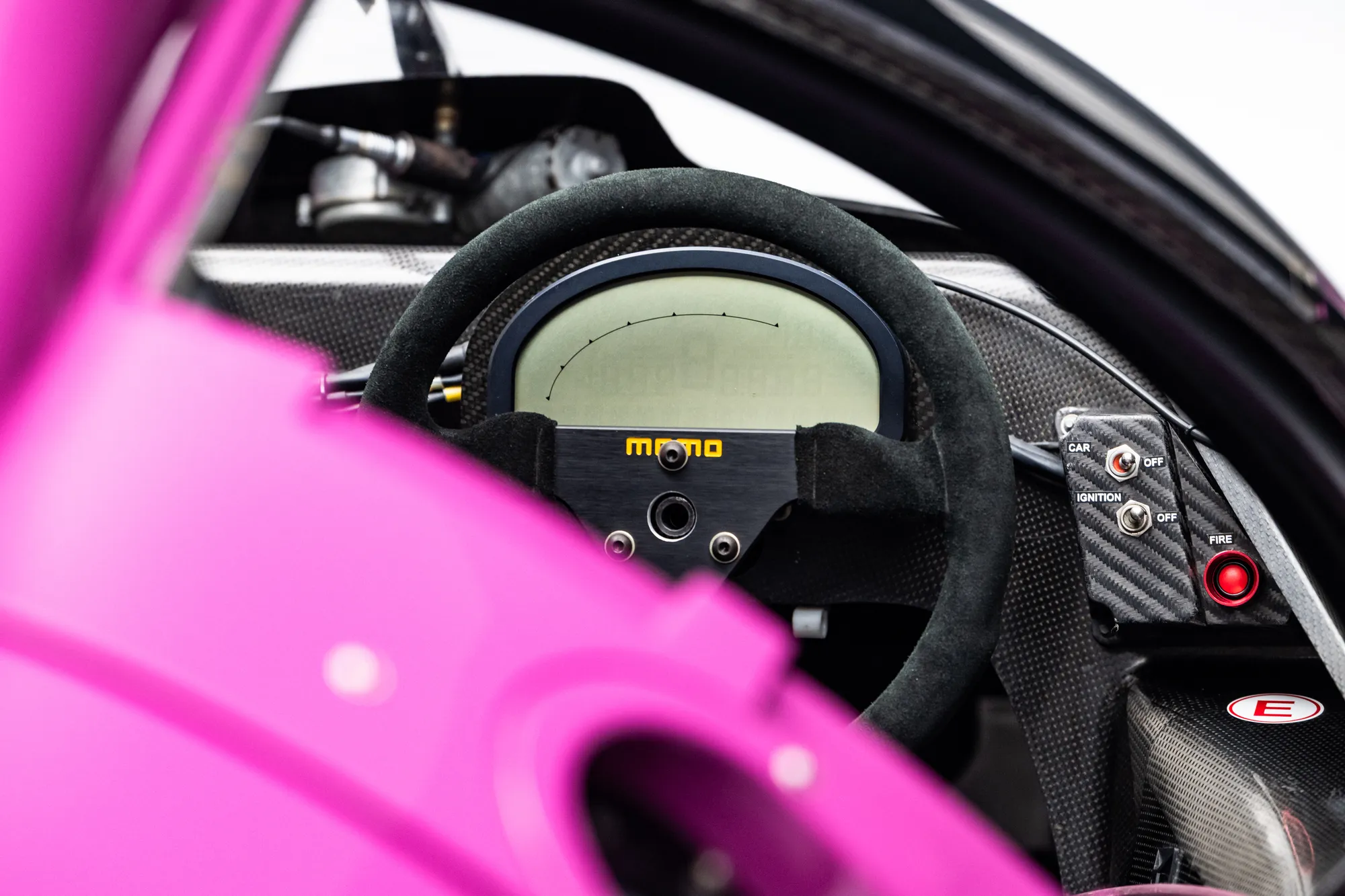
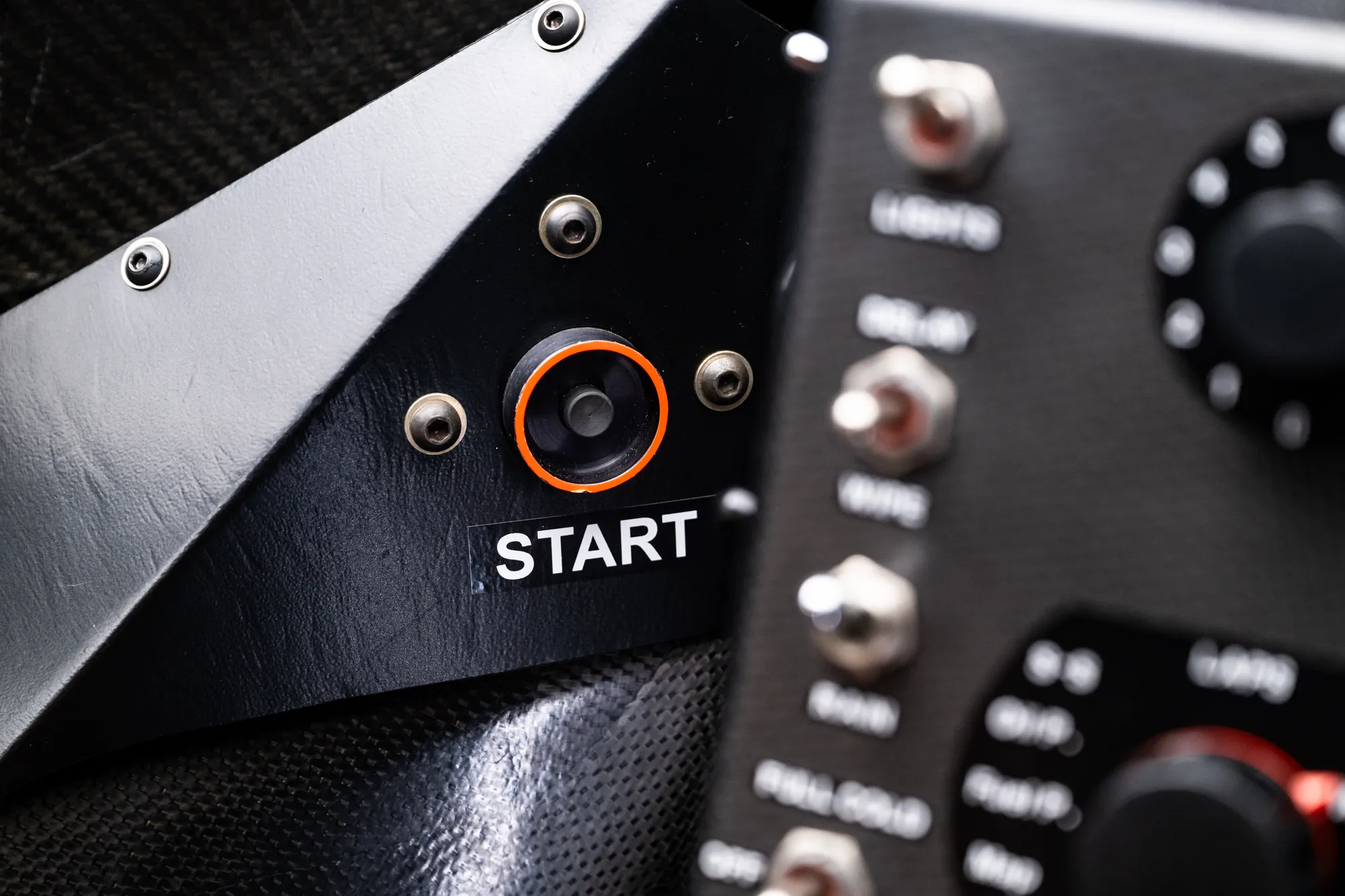
For 1991, the FIA’s move to 3.5‑litre, naturally aspirated engines and lower minimum weights demanded an entirely different approach. TWR brought in Ross Brawn from Arrows F1 to design a new car unrelated to the outgoing V12s. The resulting XJR‑14 was, in effect, a Formula 1 monocoque clothed as a Group C car, powered by a Jaguar‑badged version of Ford’s then‑current Cosworth HB V8, at that time otherwise reserved for Benetton in F1. Entry and exit were via the rear, with no conventional doors, underlining how far the car had moved from traditional endurance‑racing practice.
Three XJR‑14s were constructed: chassis 591, 691 and 791. Warwick and Brundle opened the 1991 World Sportscar Championship in 591, while Fabi and Brundle raced 691; between them they took wins at Monza and Silverstone after early setbacks at Suzuka. When the series resumed after Le Mans, Warwick received a new car, 791, with Brabham as his teammate and 591 relegated to spare‑car status.
At the Nürburgring in August 1991, Fabi put 691 on pole, but Warwick and Brabham qualified alongside and led a Jaguar 1‑2 to the flag in 791. They followed that with fifth at Magny‑Cours and sixth at Mexico City, where delays and a problematic weekend for the team compromised results. For the final World Championship round at Autopolis, Warwick reverted to 591, but 791 remained in use; a week later, in the Japanese series round at Sugo, it was entrusted to regular Jaguar drivers Mauro Martini and Jeff Krosnoff, who finished ninth. In its short 1991 season, 791 thus contributed directly to Jaguar’s successful title campaign.
By the end of that year, however, Jaguar’s finances were under pressure. Heavy investment from new owner Ford was required just to keep the company afloat, and the global race program could no longer be justified. The World Championship effort was dropped after 1991, but IMSA GTP continued for one more season, with 791 sent to the United States as the lead car expected to contend for the title.
Despite running in essentially World Championship specification, the XJR‑14 was immediately on pace in America. Davy Jones took pole at the opening Miami street race, but a spin and non‑restart ended the day early. He then dominated at Road Atlanta, taking pole, fastest lap and leading from start to finish in 791. At Lime Rock, a broken wheel in a downhill section sent the car heavily into the tyre barriers; the monocoque suffered severe damage to its front‑left corner and was returned to the UK for repair. TWR switched Jones to chassis 691 (renumbered 192) for the balance of the season, and 791 did not race again.
TWR’s composite subsidiary ASTEC repaired the damaged tub soon after the accident, but the car was never rebuilt into a running state before TWR’s closure in 2003. As the Arrows F1 team and TWR itself slid into receivership, the remaining Jaguars in the factory’s collection—including the surviving XJR‑14s—were identified as core assets. Of the three XJR‑14 chassis, one had already gone to a museum in Germany; the other two, 591 and 791, remained at the Walkinshaw facility, both repaired but incomplete following their series‑ending accidents.
Given concerns about the extent of the Lime Rock repair, TWR commissioned ASTEC to build a completely new monocoque for 791 in 2001–2002, assembled using components from the original car and carrying its chassis plate. When the TWR collection was placed in administration, this “new” 791 was sold to US‑based collector. Discovering that his car sat on a fresh tub, he requested the original monocoque from TWR and chose to base the restoration on that repaired shell, returning the 791 plate to the Lime Rock tub. The new ASTEC tub became a separate car, later known as X91.
The private US-collector entrusted the rebuild of 791 to Lanzante Motorsport, led by Dean Lanzante. With original drawings and surviving body bucks included in the sale, much of what was required was already on hand; uprights and suspension came from period stock, and a gearbox was assembled from available components. A new Cosworth HB engine was sourced to complete the drivetrain. Once Lanzante had the repaired monocoque built up as a rolling chassis, the project moved to Retrac Composites in Swindon. Under Jonathan “Wingnut” Greaves, Retrac used surviving tooling and reverse‑engineered X91 to recreate the crashbox, sidepods and bodywork necessary to finish 791. The restoration work is recorded as taking place in 2010–2011.
During this period, X91 made its public debut at the 2010 Goodwood Festival of Speed, while both X91 and the rebuilt 791 were photographed together at Lanzante’s workshops in mid‑2011, by which time the 791 chassis plate had been returned to the original Lime Rock monocoque. 791’s only subsequent public appearance noted in the dossier is at Portugal’s Portimão circuit for the Algarve Historic Festival in October 2011, where it was present but did not participate on track. 791 was later sold to Scottish collector Larry Kinch.
A key strength of this example is the depth of research supporting its identity. Conflicting accounts of the XJR‑14s’ 1992 IMSA histories, based on uncorroborated recollections that asserted different chassis were destroyed or converted, had filtered into various reference websites. Historian Leslie Thurston’s earlier work, produced with support from the Jaguar Daimler Heritage Trust and cross‑checked against Jaguar’s in‑house XJR Review, reached different conclusions about which car crashed where and which tub later underpinned the Porsche WSC‑95.
Allen Brown’s dedicated dossier on chassis 791 methodically reconciles those narratives through period photography and physical inspection. The pattern of front‑left damage seen on the Lime Rock wreck matches the repair visible on today’s 791 monocoque, while the Road America accident aligns with repairs on Gareth Evans’s chassis 591. Brown concludes in his Statement of Authenticity that the car described in the dossier is indeed chassis 791, retaining the original monocoque that was heavily damaged at Lime Rock. His findings have been accepted by other noted XJR‑14 researchers and are reflected in their subsequent revisions.
Within the small universe of modern sports‑prototype collectors, XJR‑14 chassis 791 sits at a meaningful intersection of competition pedigree, technical interest and documentation. It is one of only three built, directly tied to Jaguar’s 1991 World Sportscar Championship title, and the car that delivered both a Nürburgring 1000 km victory for Warwick and Brabham and a dominant IMSA win at Road Atlanta for Davy Jones. Its post‑period life has been shaped by serious, well‑documented work from Lanzante and Retrac, and by careful historical scrutiny that clarifies its identity and structural continuity.
Presented today through Mouse Motors, XJR‑14 chassis 791 is offered not just as a significant Silk Cut Jaguar, but as a fully contextualized competition car with its development, race use, accident, repair and restoration all laid out in a detailed contemporary record.
Highlights
Chassis Number 791
Price Call for Price
Gallery