Description
THE MODEL
Born from the vision of Walter Owen Bentley in a garage off Baker Street in 1919, the Bentley marque is one that has become synonymous with high-quality motor cars that are both elegant and sporting. W.O. Bentley, who had worked as an agent for the French motor company DFP and designed aero engines during the First World War, displayed his first motor car at the Olympia Motor Show in October 1919. Deliveries of 3-litre, 4-cylinder Bentley cars began in 1921 and by 1926 a 6-cylinder, 61⁄2-litre model was also being produced. Bentley dominated at Le Mans and other European circuits during the 1920s, boasting drivers such as Tim Birkin, Woolf Barnato, Jack Dunfree, and Sammy Davis. Motor racing was at the heart of the Bentley business and W.O. Bentley believed it to be essential for the success of his production road cars.
Towards the end of the 1920s, the 3 Litre model was no longer competitive so Tim Birkin commissioned a new race-specification 41⁄2 Litre car from Bentley. Together with experienced French racing driver, Jean Chassagne, they managed to finish 5th at Le Mans in 1928. After Le Mans, Tim Birkin entered the car into the German Grand Prix at the Nürburgring but was outclassed by a host of supercharged Mercedes. Following disappointing results in its other races that year, Birkin decided that a much faster car was needed for the 1929 season.
At that time Bentley was also working on a more powerful car, the Speed Six, which was a sporting version of the standard 61⁄2 Litre. For Tim Birkin, however, the new supercharger had more appeal with its promise of providing a great increase in power. To this end, he approached the talented young engineer Charles Amherst Villiers who had previously worked with Bugatti and had helped develop the supercharged Villiers Vauxhall Special. With backing from Bentley’s chairman, Woolf Barnato, Villiers began redesigning components of the 41⁄2 Litre engine so that it would cope with the added strains of a supercharger. He designed a counterbalanced crankshaft, stronger connecting rods, and lower compression ratio pistons with thick tops. Amherst Villiers also designed his own camshaft but this did not work particularly well and Bentley preferred to use their standard BM3480 cam. Similarly, Bentley also designed their own crankshaft and it was only the Tim Birkin race cars that were to be fitted with a counterbalanced crank.
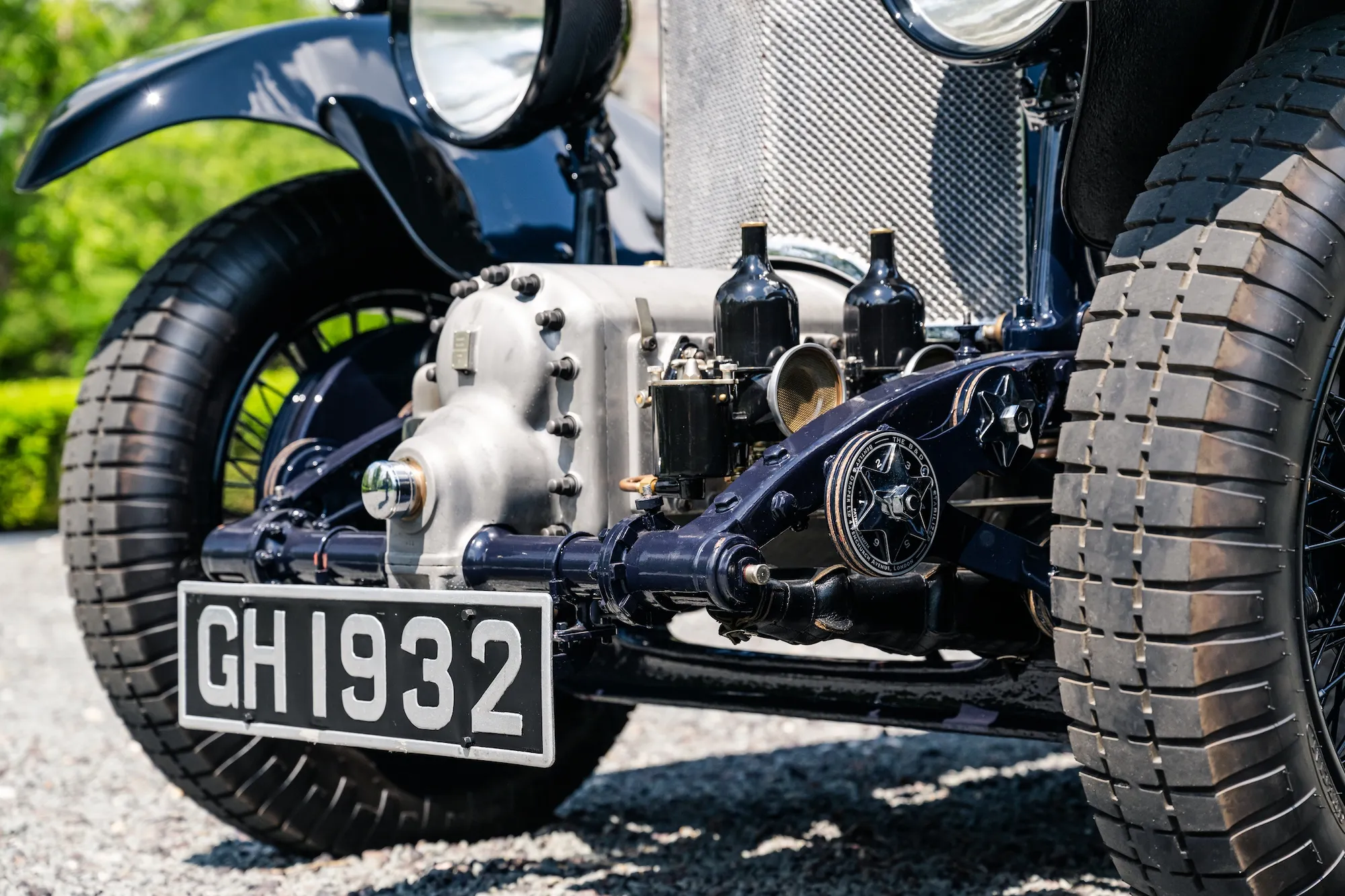
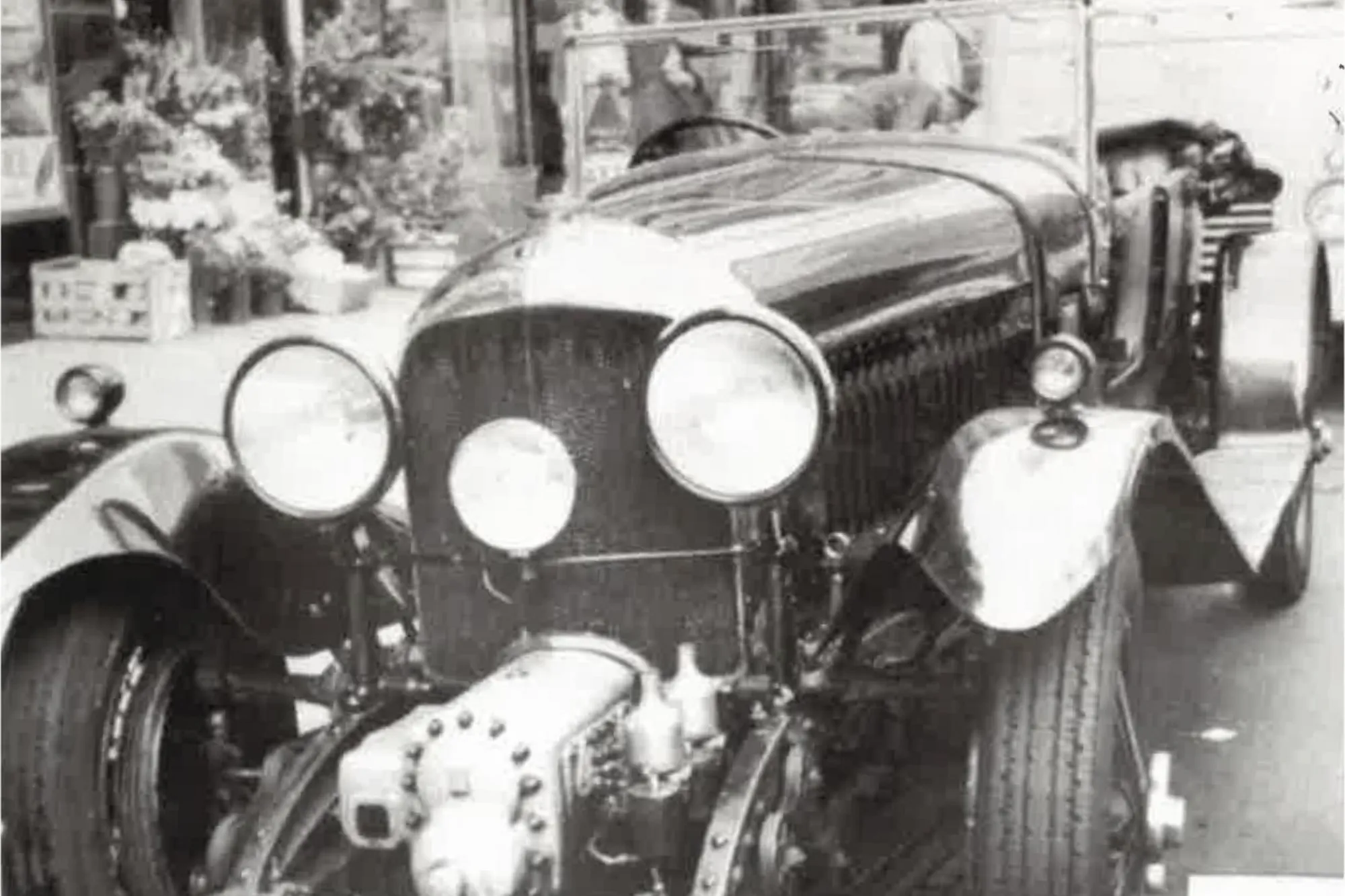
The supercharger itself consisted of a pump and two paddles to force the air and fuel mixture into the cylinder head through the induction pipe. With no room for the supercharger unit under the bonnet, it was instead to be mounted beneath the radiator with the drive taken from the crankshaft. By early 1929 the design of the supercharger and its installation was complete and Amherst Villiers quickly set to work ordering the first components.
The very first blown 41⁄2 Litre Bentleys were due to make their racing debut with Tim Birkin’s team at Le Mans in 1929 but due to lubrication system problems, the cars did not reach the start line. The Birkin ‘Blowers’ were to have better fortune in the Irish Grand Prix at Phoenix Park in Dublin on the 13th of July with Tim Birkin finishing 3rd in the No.1 car. Throughout the remainder of the racing calendar, there were mixed results but it was clear that the 41⁄2 Litre Blowers were incredibly fast. This speed had given Bentley Motors enough confidence to build 50 production cars to ensure the model’s eligibility for Le Mans which dictated that only production cars on sale to the general public could be entered.
The production Blowers were effectively based on what would be the 1930 41⁄2 Litre specification chassis with a 10’10” wheelbase. It differed from the standard frame by having the heavy pattern strut gear that was used on the 61⁄2 Litre. The back axle was the standard 41⁄2 Litre pattern banjo but was fitted with the much stronger 61⁄2 Litre pattern differential unit and the suspension consisted of semi-elliptic leaf springs but with larger eyes to the front springs. As with the Birkin cars, the supercharger itself was mounted to the front chassis cross member with its nose supported by the front chassis tie-bar. The radiator was modified with a thicker core and a cut-away at the base to avoid the supercharger casing.
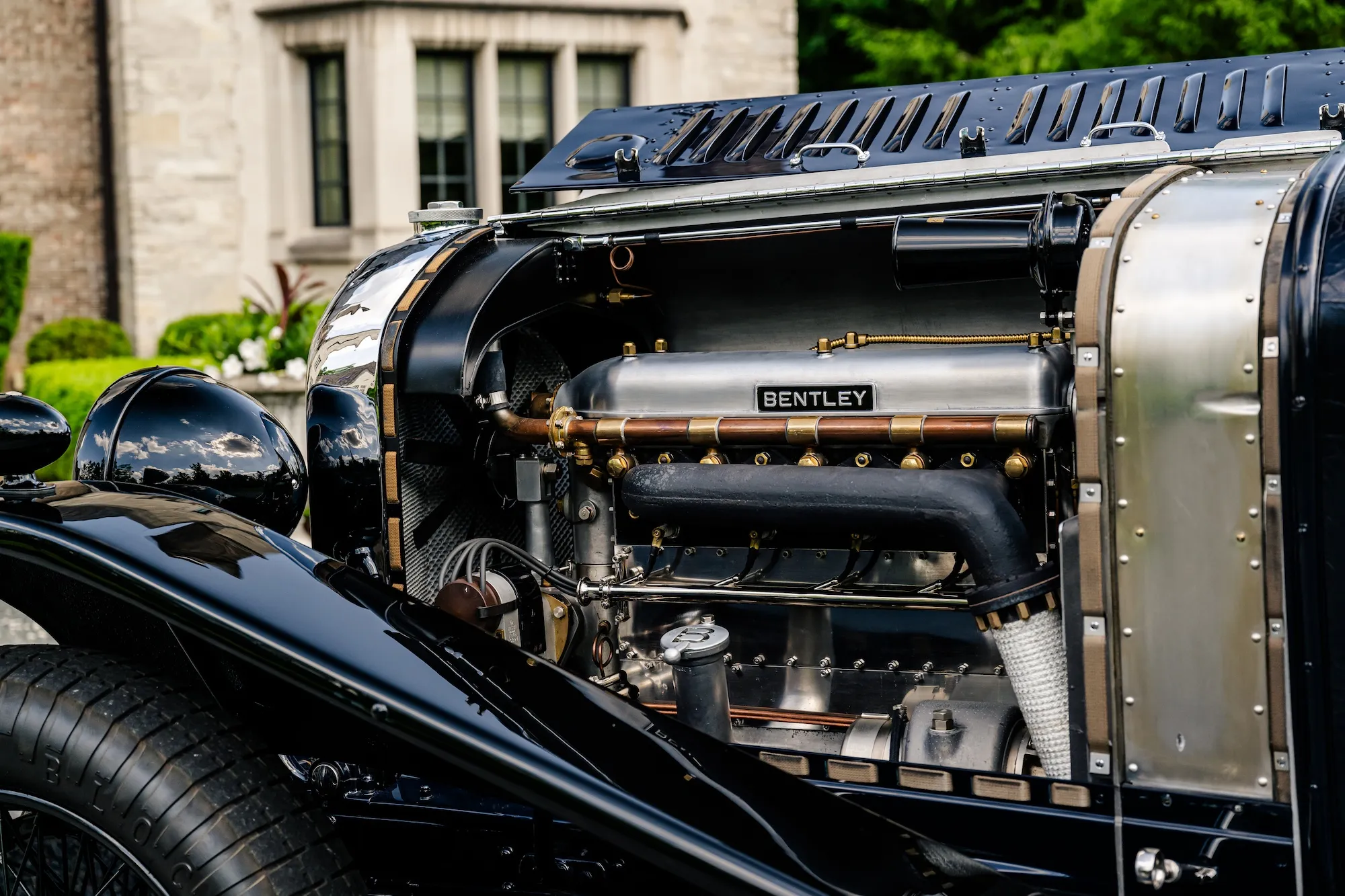
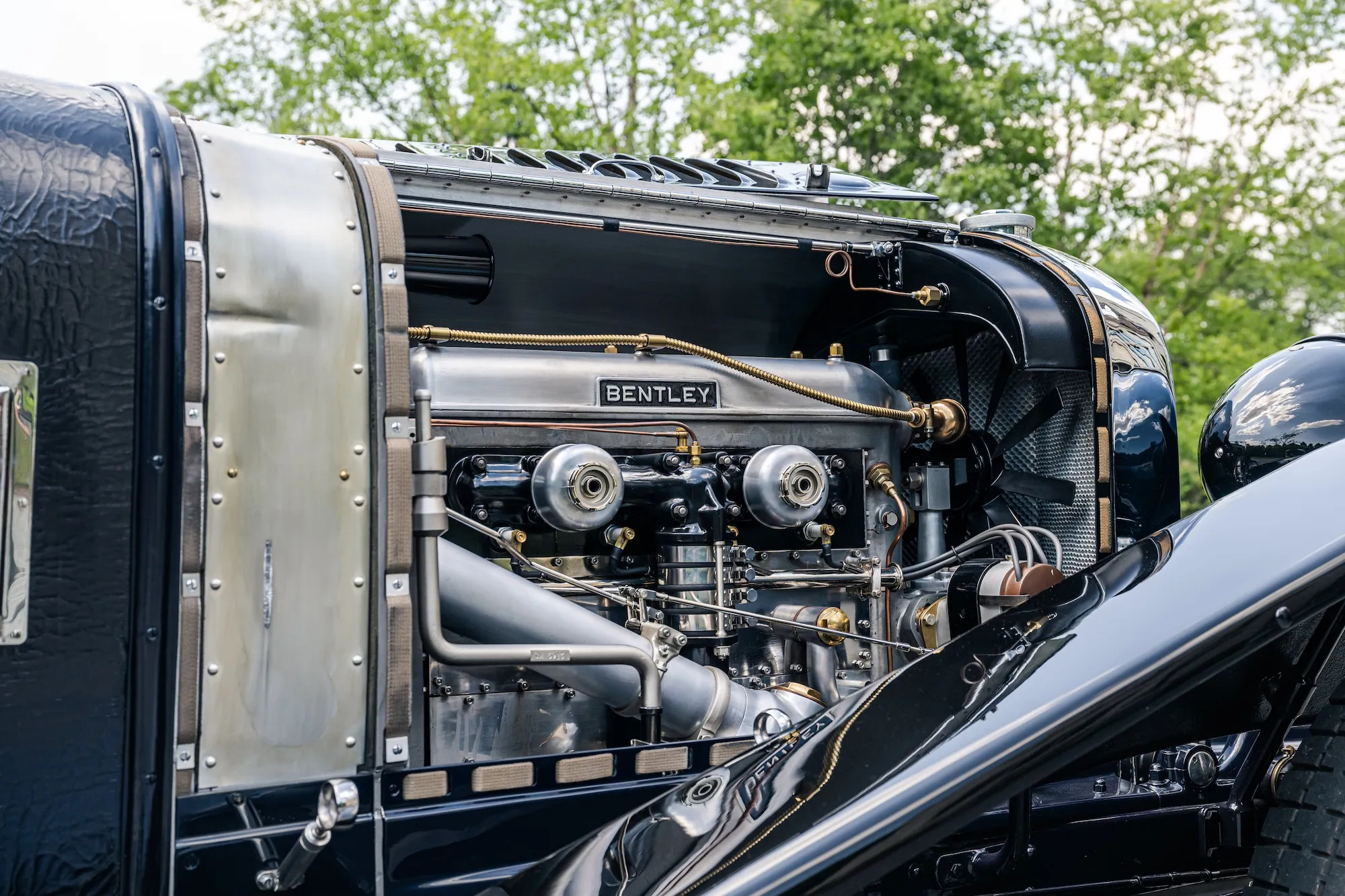
The engine had the same valve gear as the standard model with four valves per cylinder operated by a single overhead camshaft. However, Bentley had designed a heavier crankshaft and took on board Amherst Villier’s initial instruction to use stronger con rods and specially designed pistons that would dispense the extra heat generated. Twin SU carburetors were fitted to one side of the casing through which the supercharger would obtain its mixture and expel it under pressure to a pipe connected to the intake ports of the cylinder block. Bentley arranged the supercharger so that any lubrication problems would also be avoided. A “D” type gearbox, Bentley’s sportier box, was fitted along with a single plate clutch.
Throughout production, Bentley made some slight modifications to the model including changing the compression ratio from 5.0:1 on the earlier cars to 4.5:1 after Woolf Barnato discovered that his Blower ran smoother with the compression ratio lowered slightly. From engine number SM3919 they also introduced a reinforced sump to provide extra protection. The first 25 production cars had plain supercharger casings while the second set had a ribbed design.
The very first production Blower was exhibited at the 1929 Olympia Motor Show and Bentley described the car as appealing “more particularly to the super-sporting enthusiast whose delight is to possess just that little bit extra.” Despite favorable reviews from motoring journalists of the time, the cost of the model coupled with the ongoing financial difficulties following the Wall Street Crash meant the Blowers were slow to sell. However, this in turn meant that only 50 production cars were ever built, guaranteeing their rarity and reputation as not just one of the most iconic pre-war cars but also as one of the most iconic and desirable cars of all time.
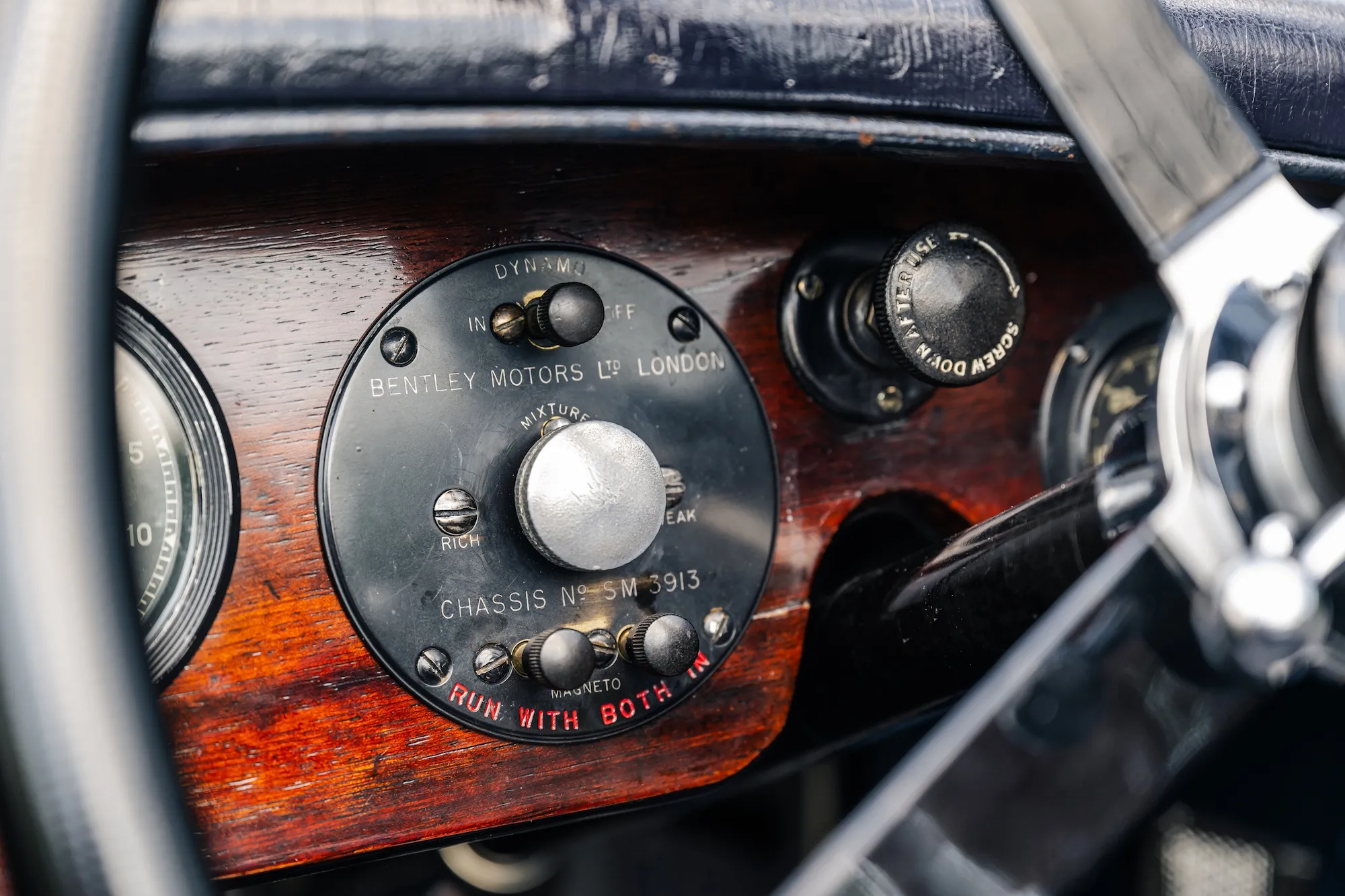
CHASSIS SM3913
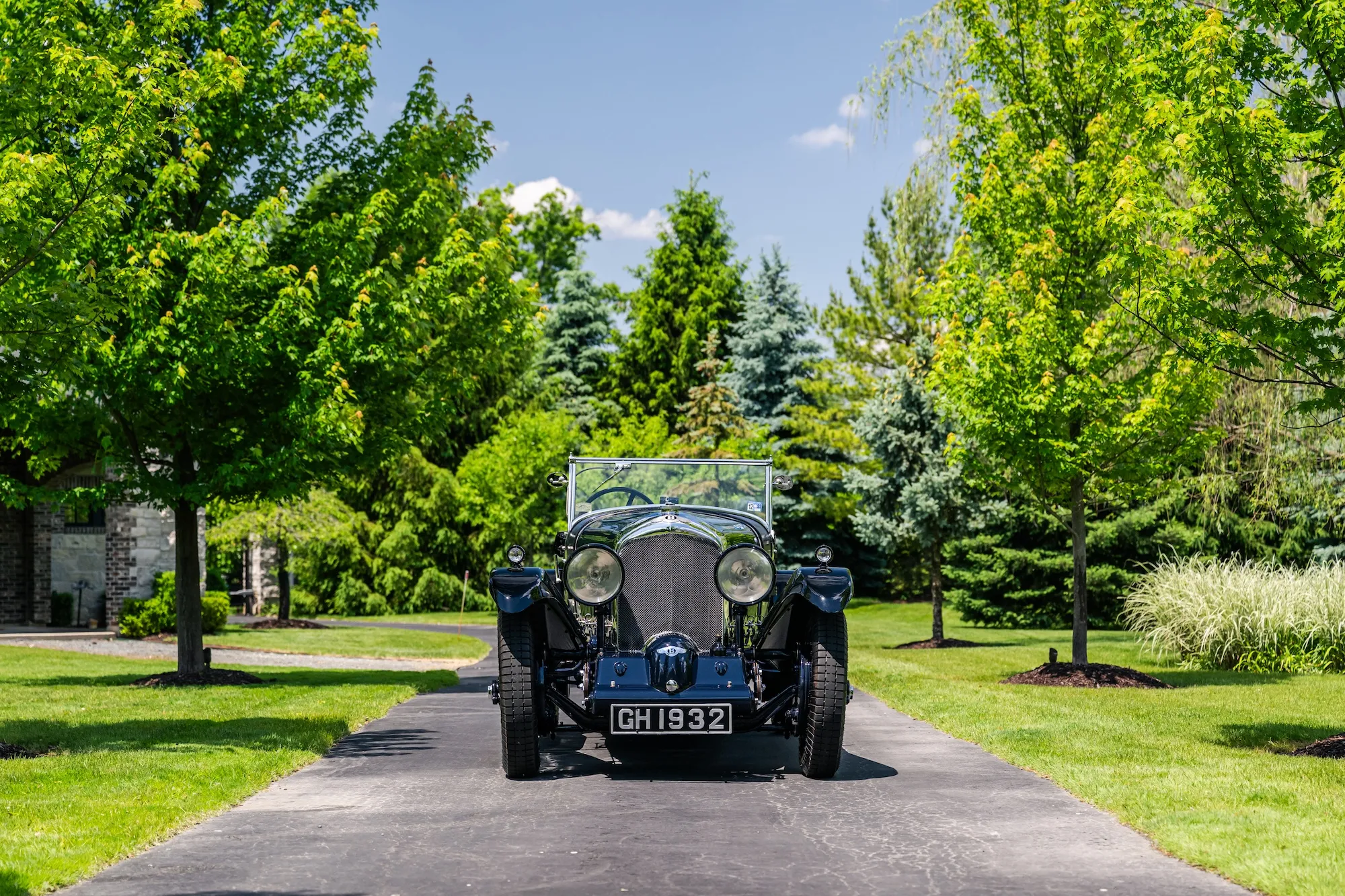
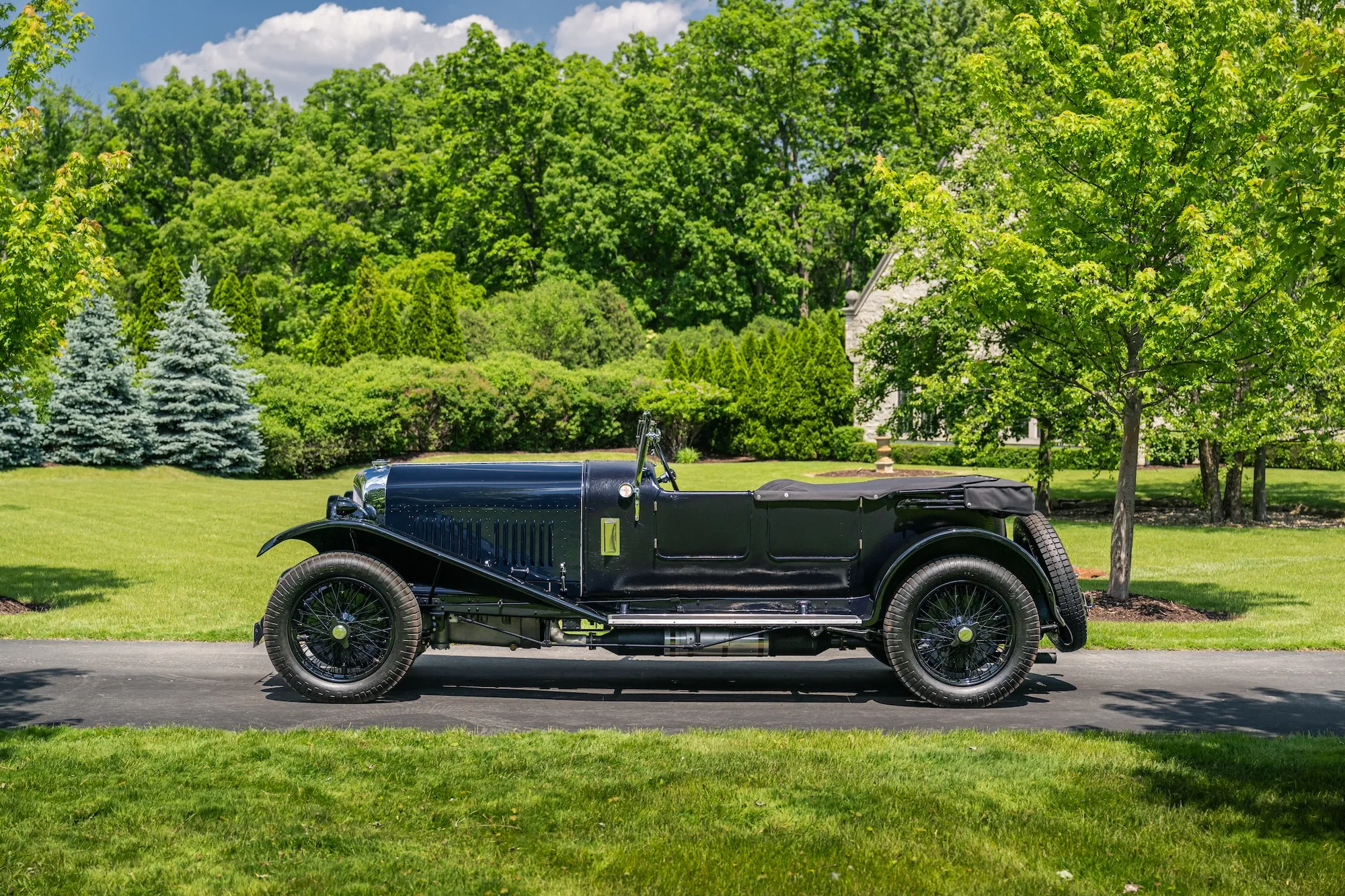
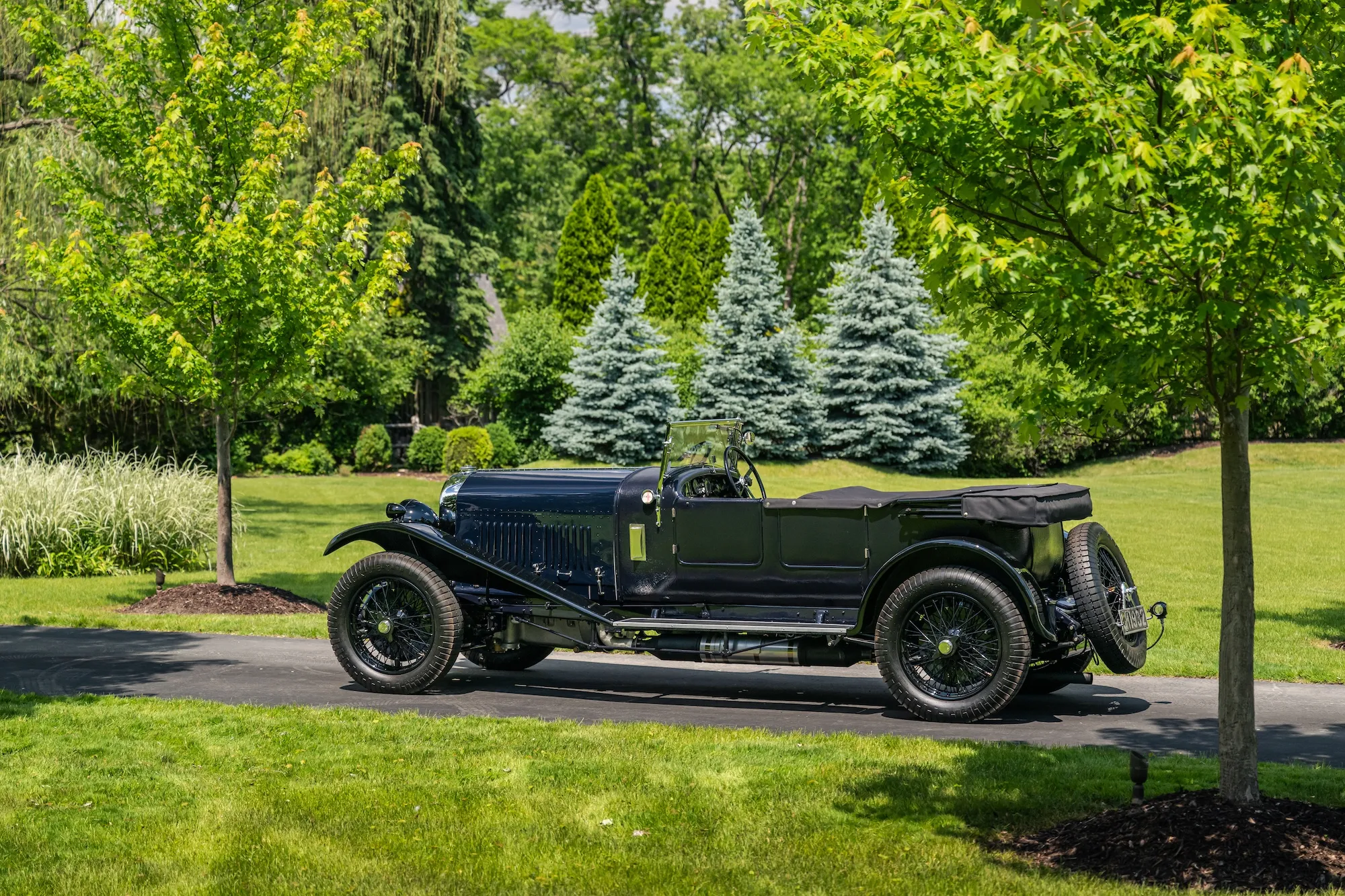
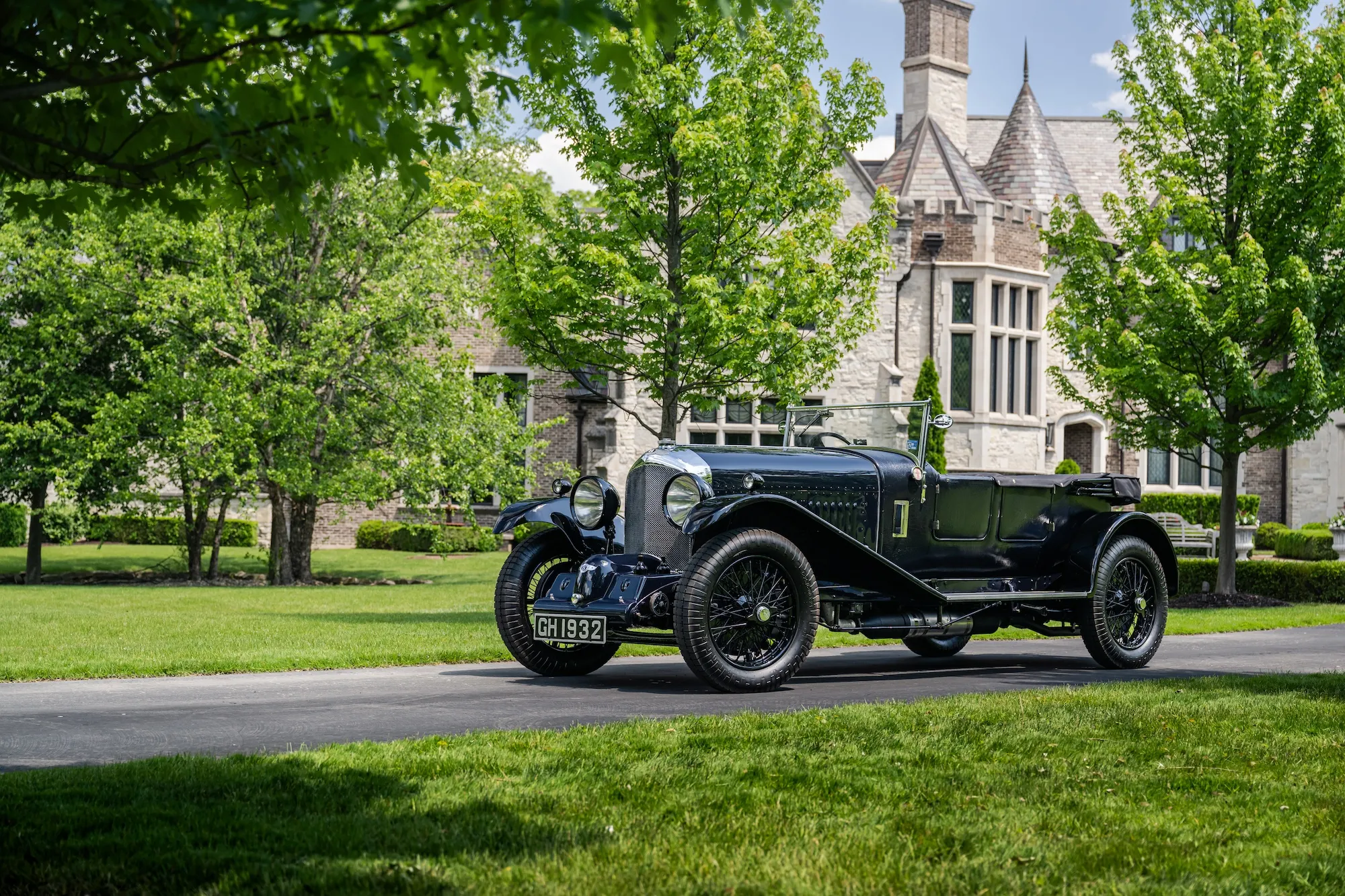
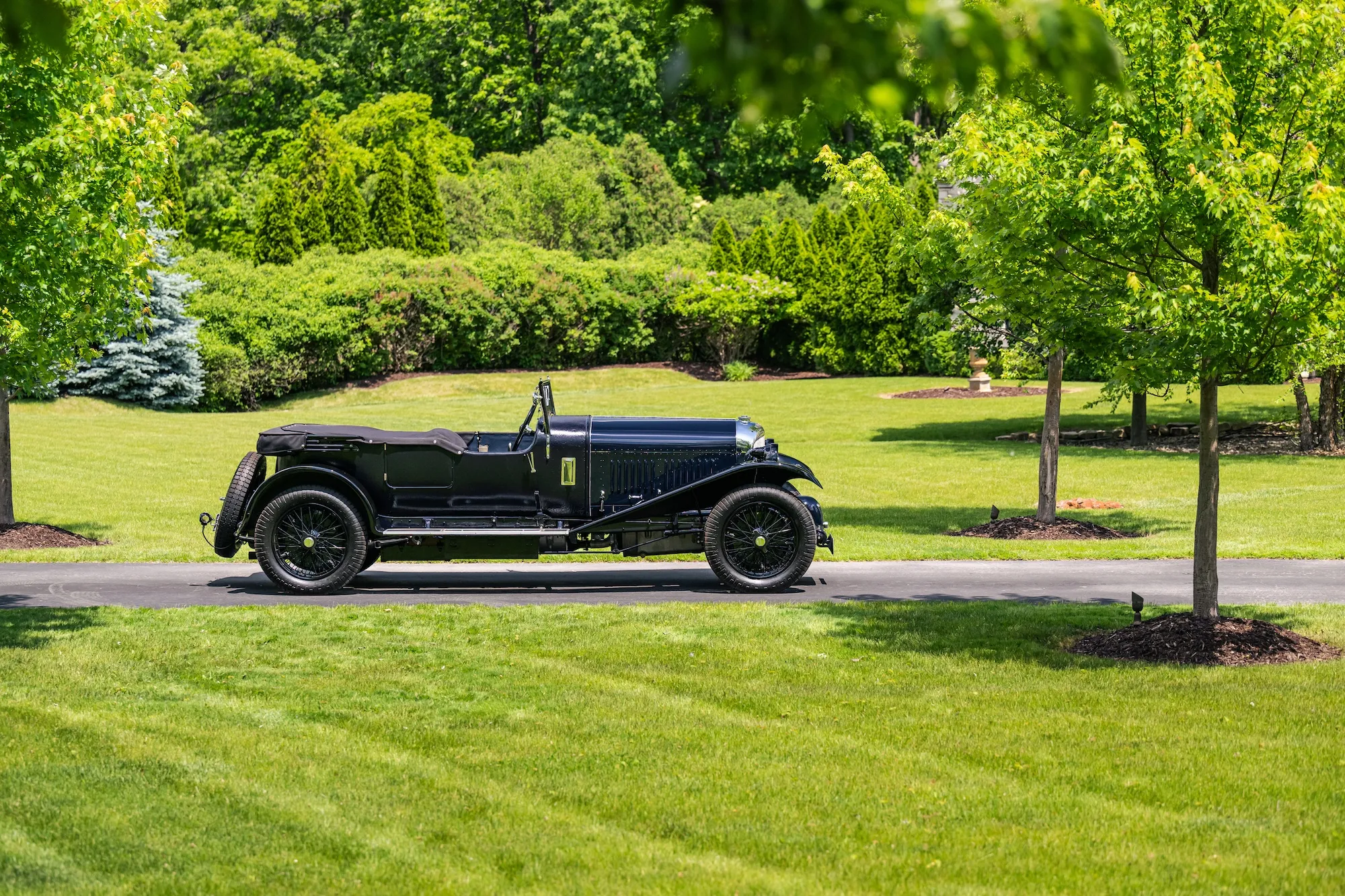
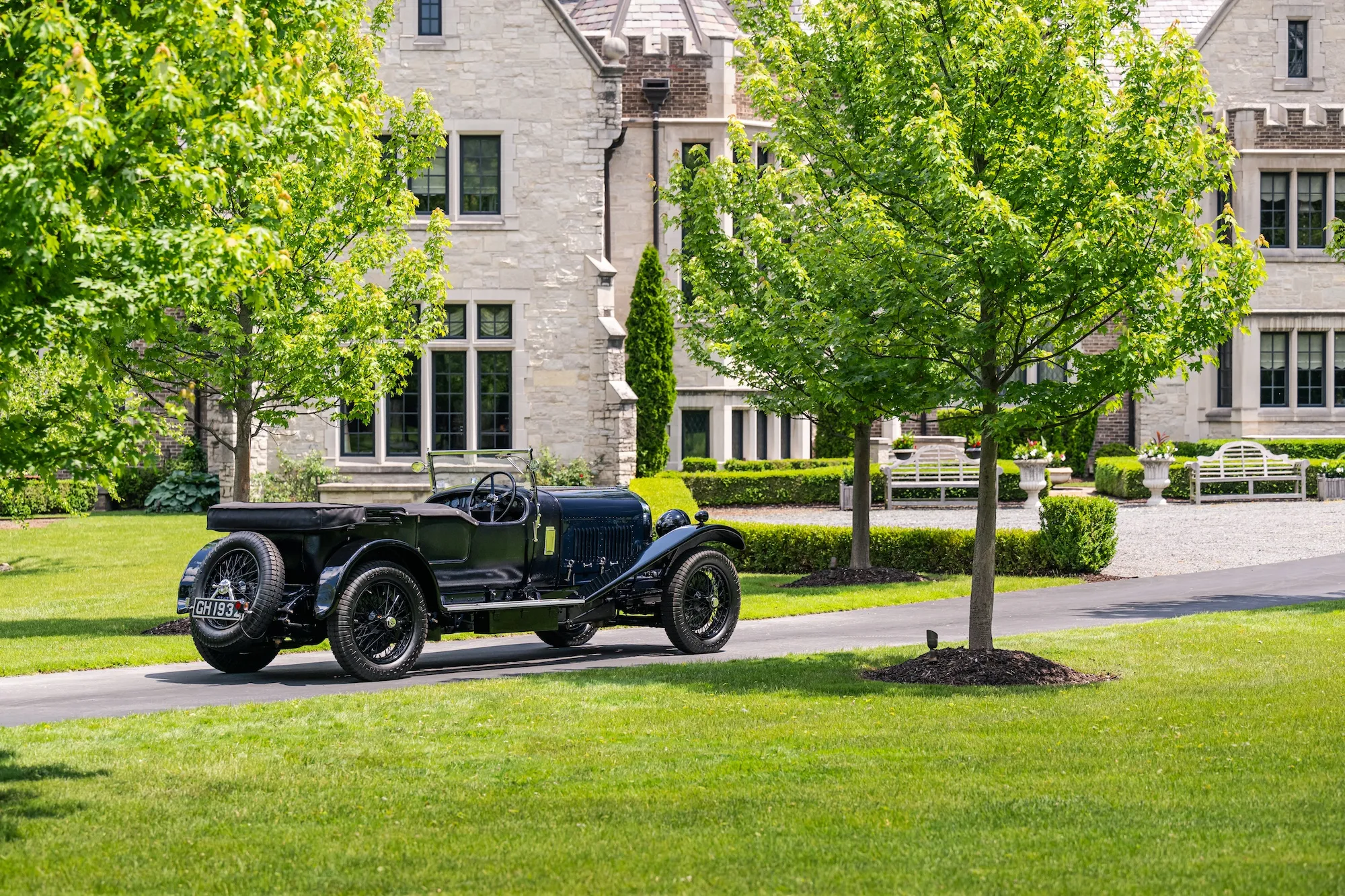
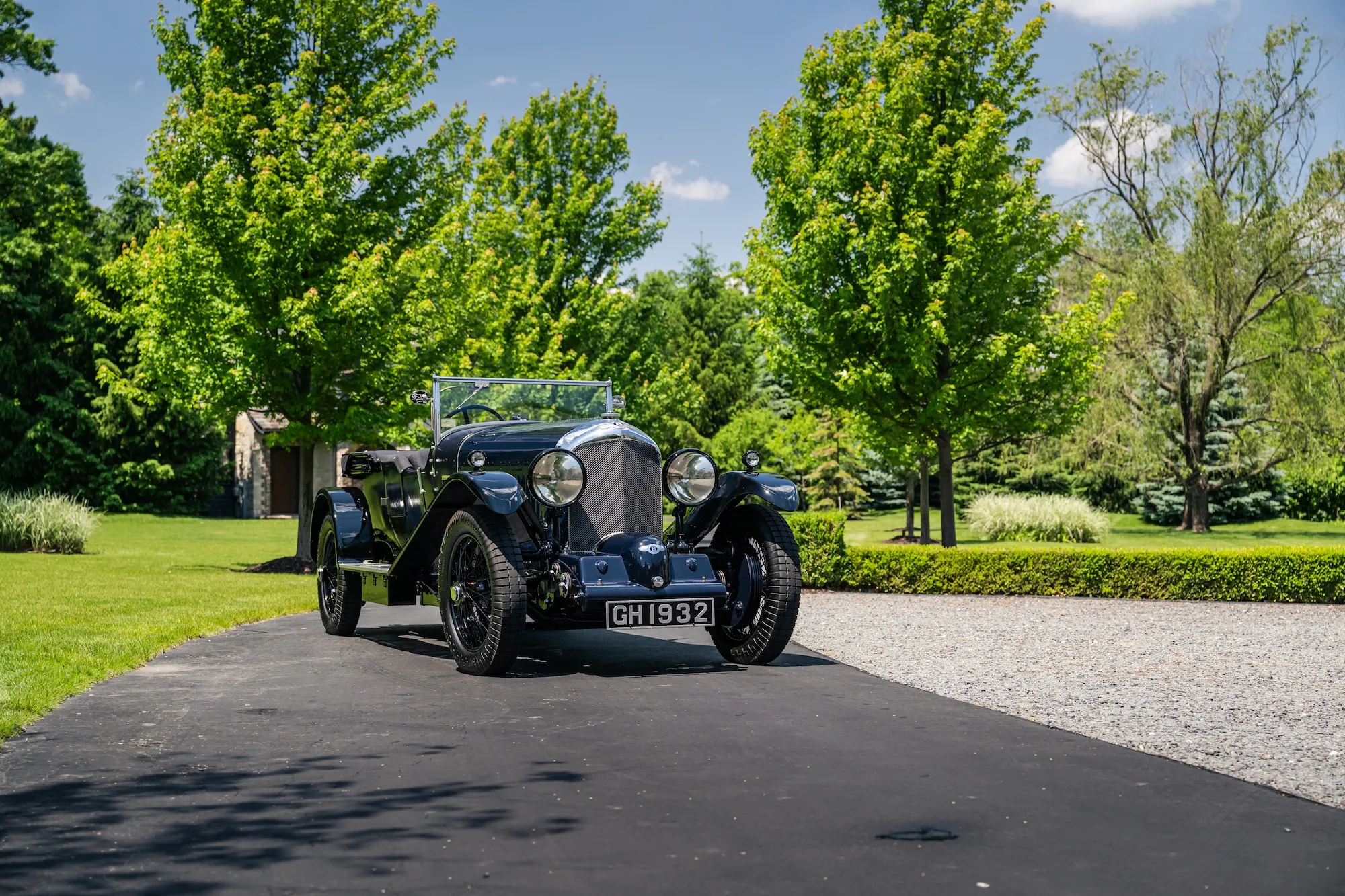
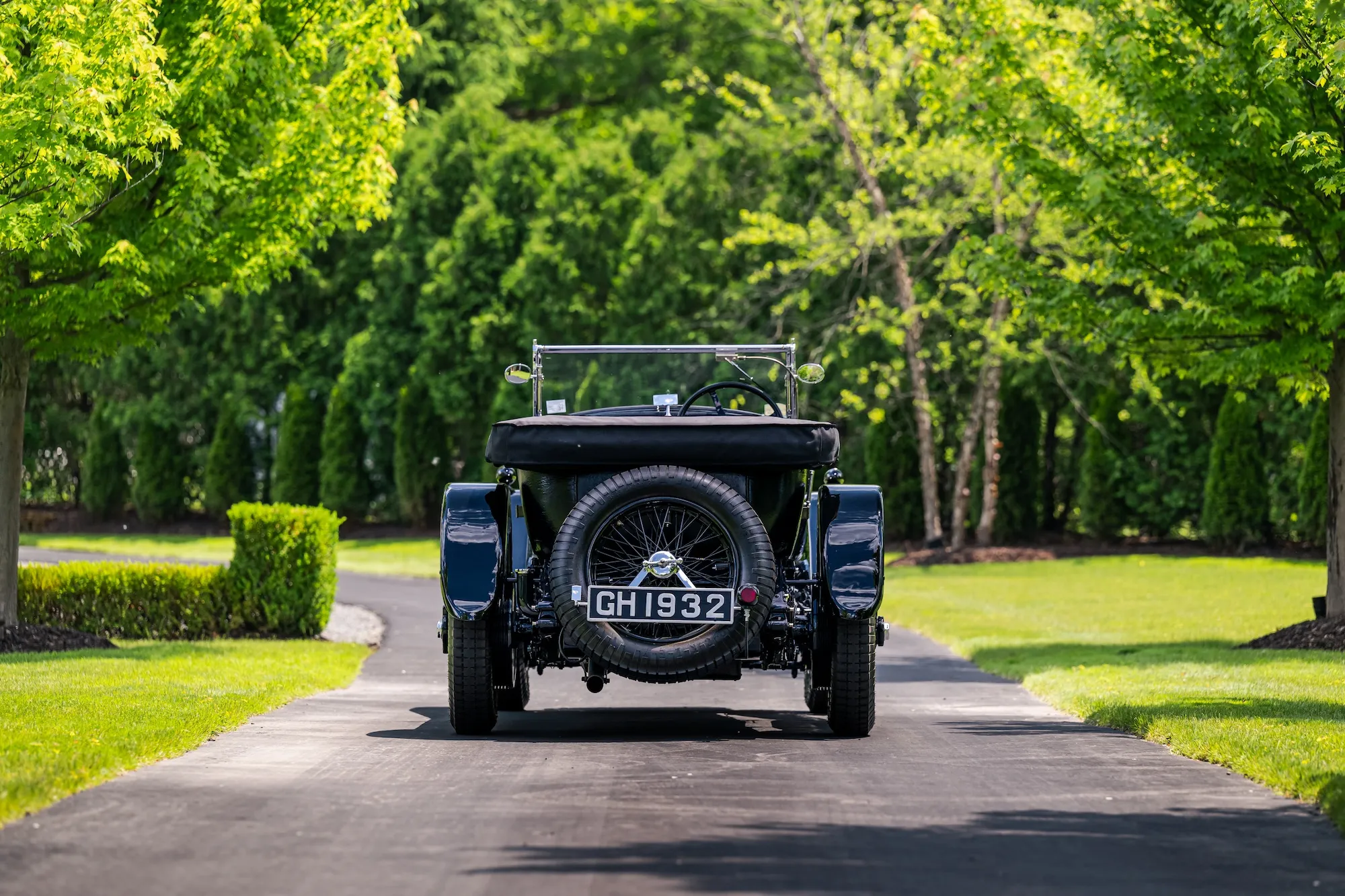
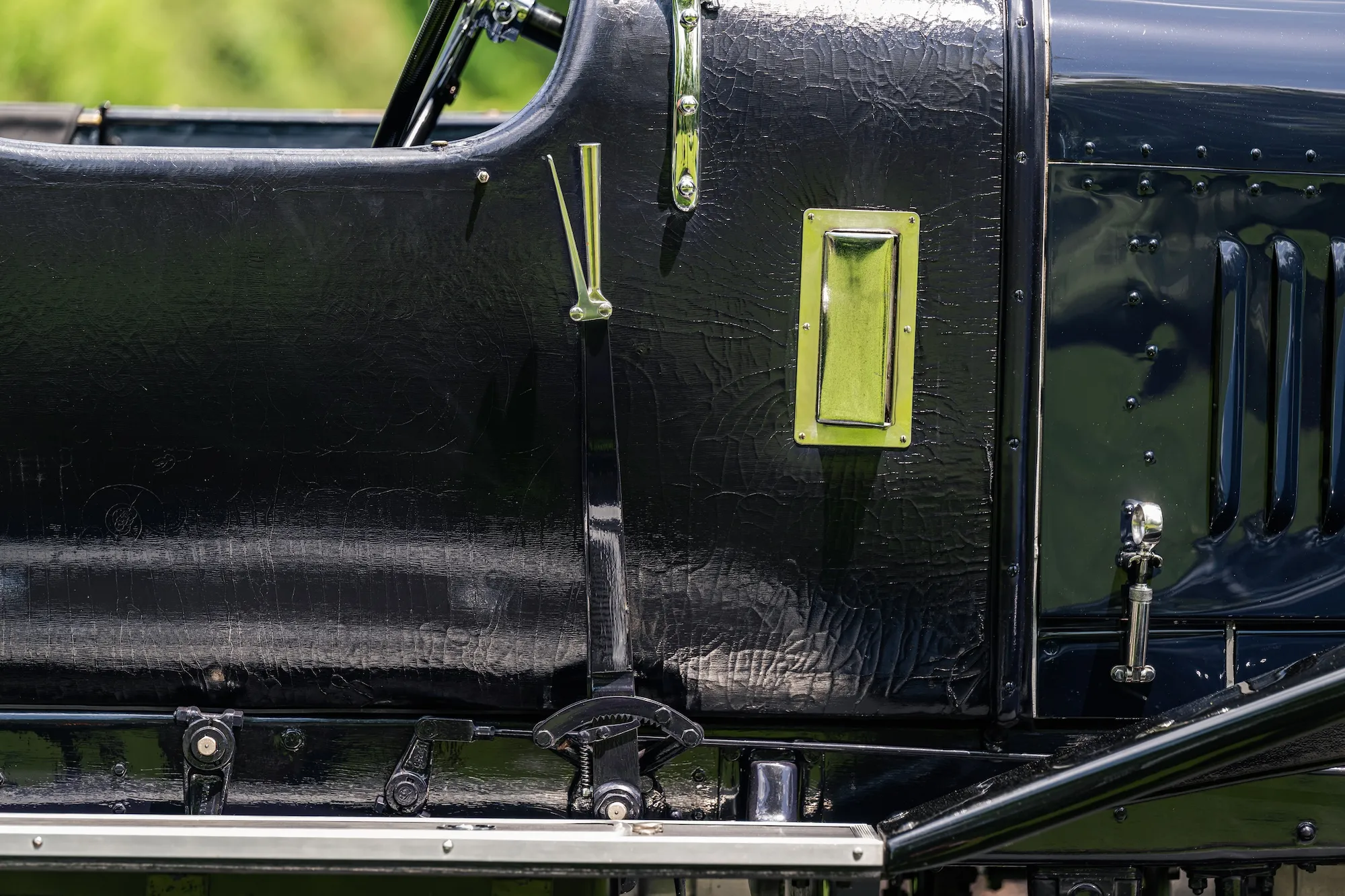
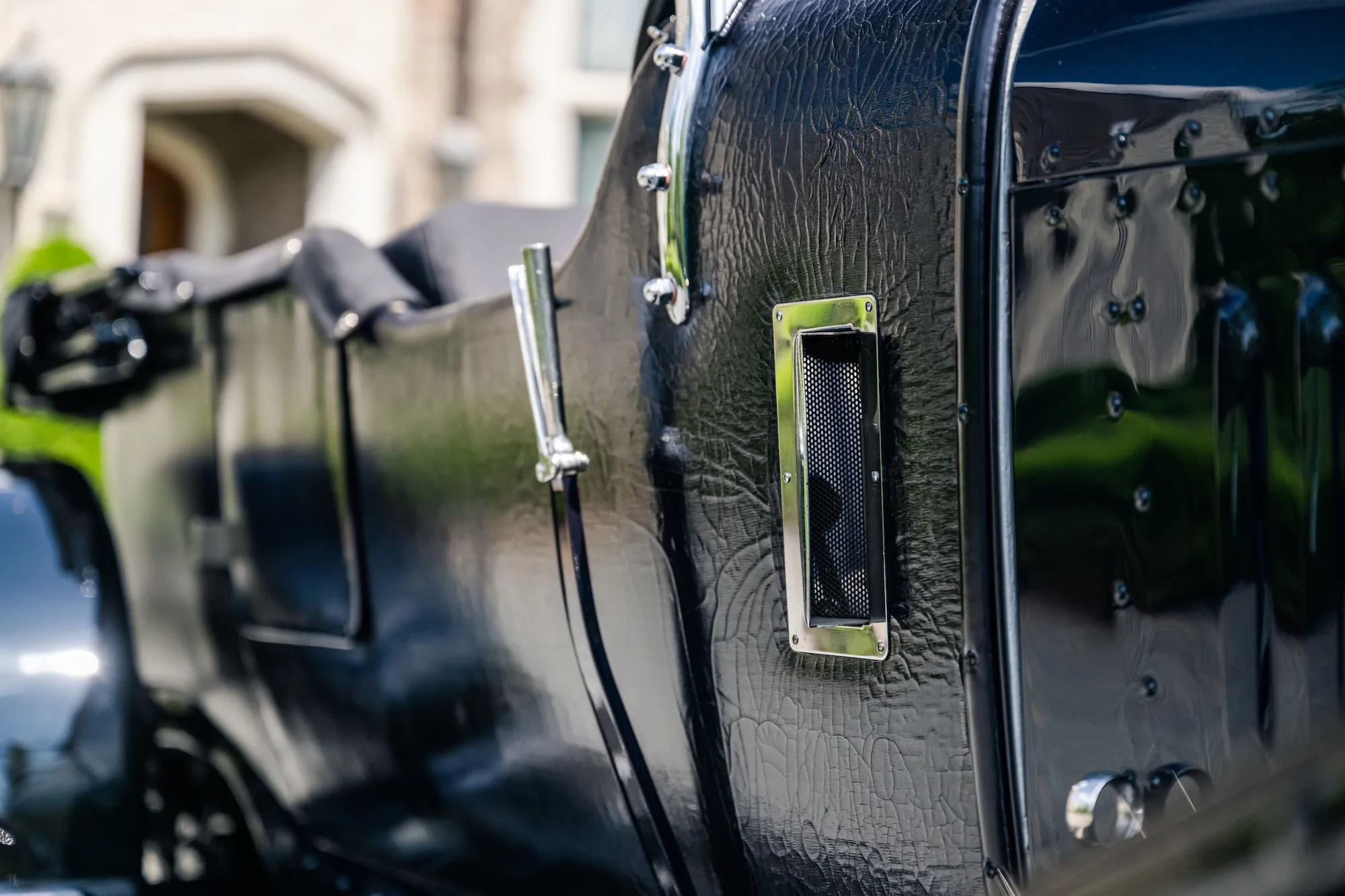
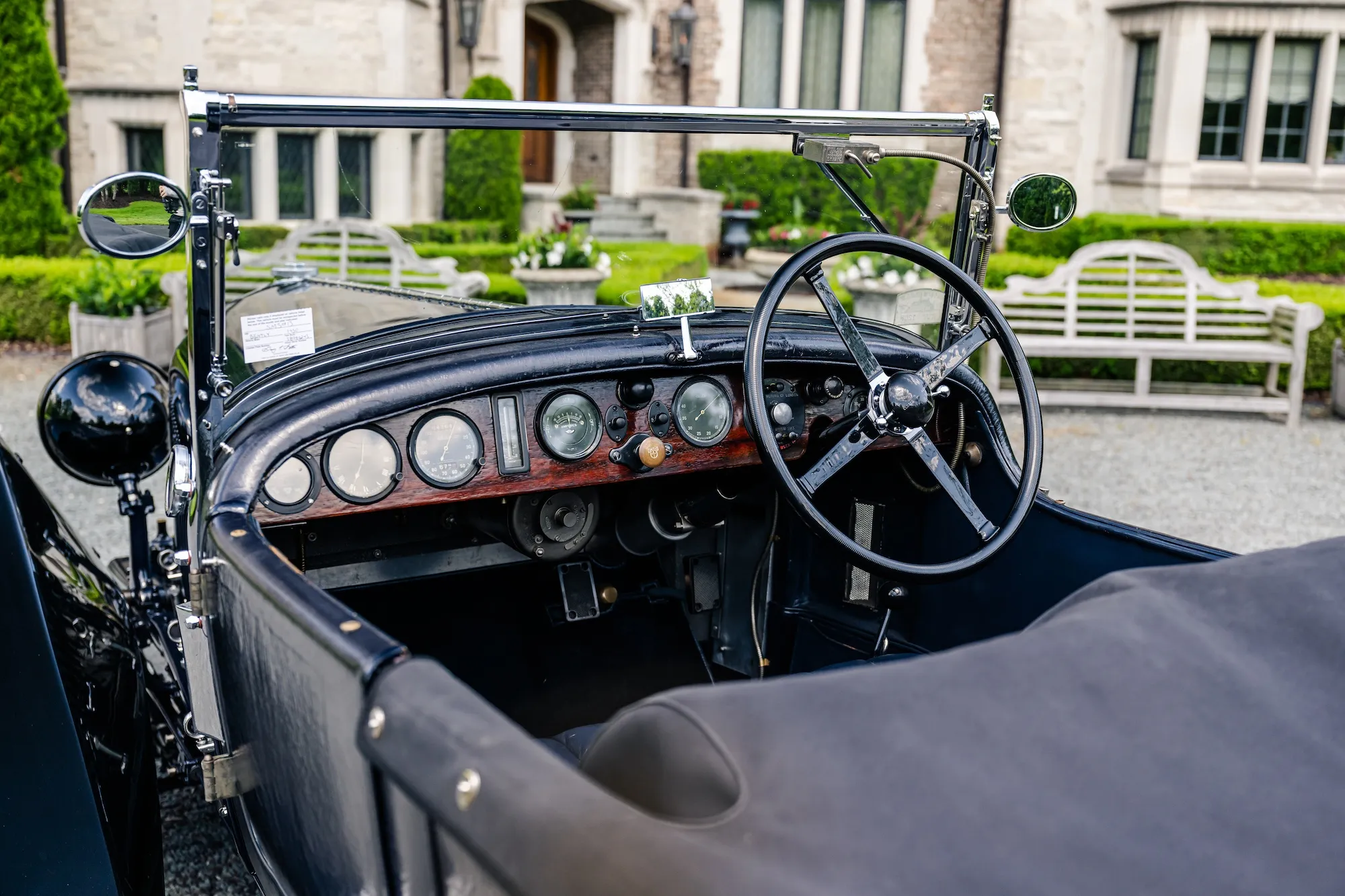
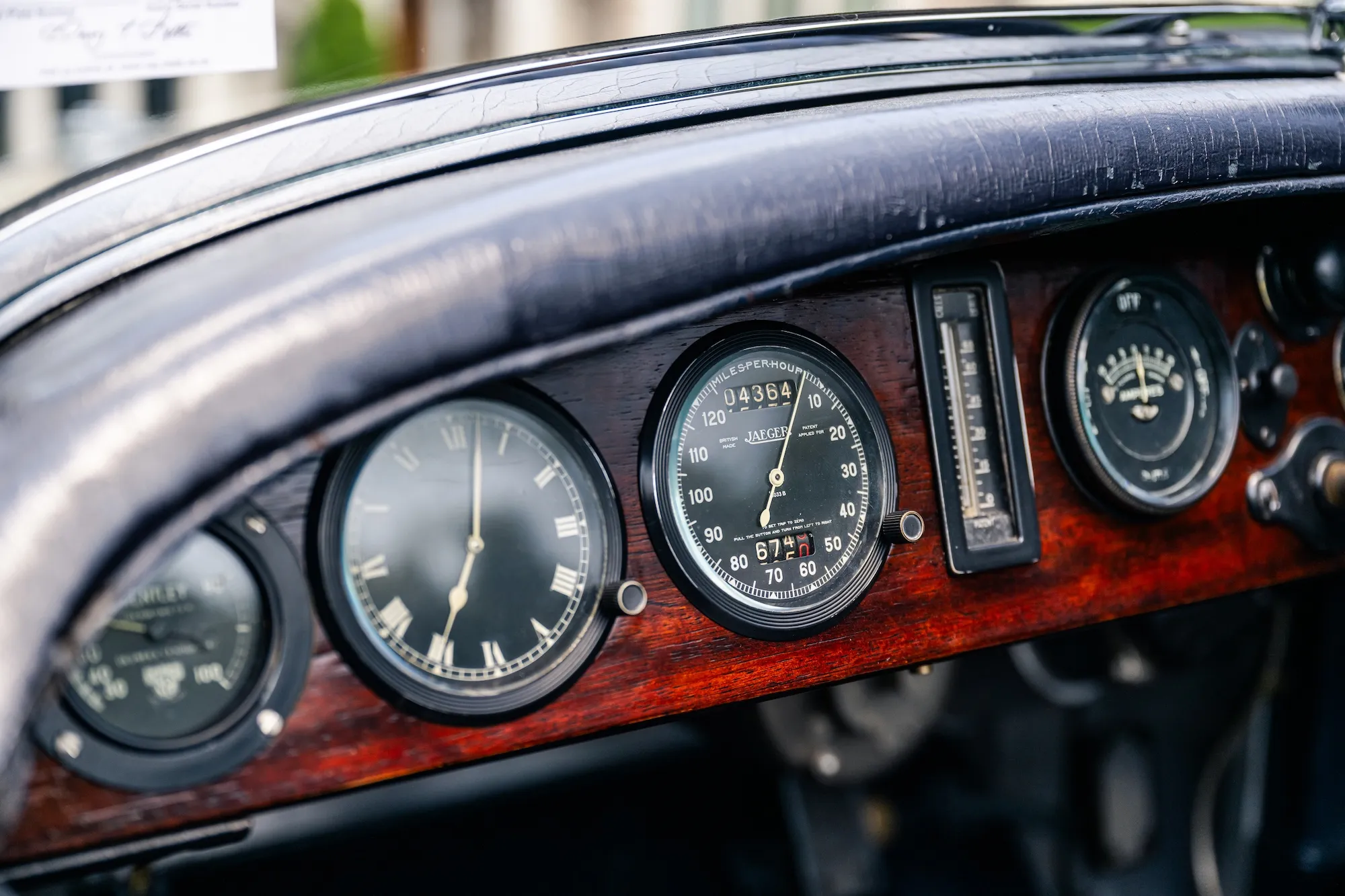
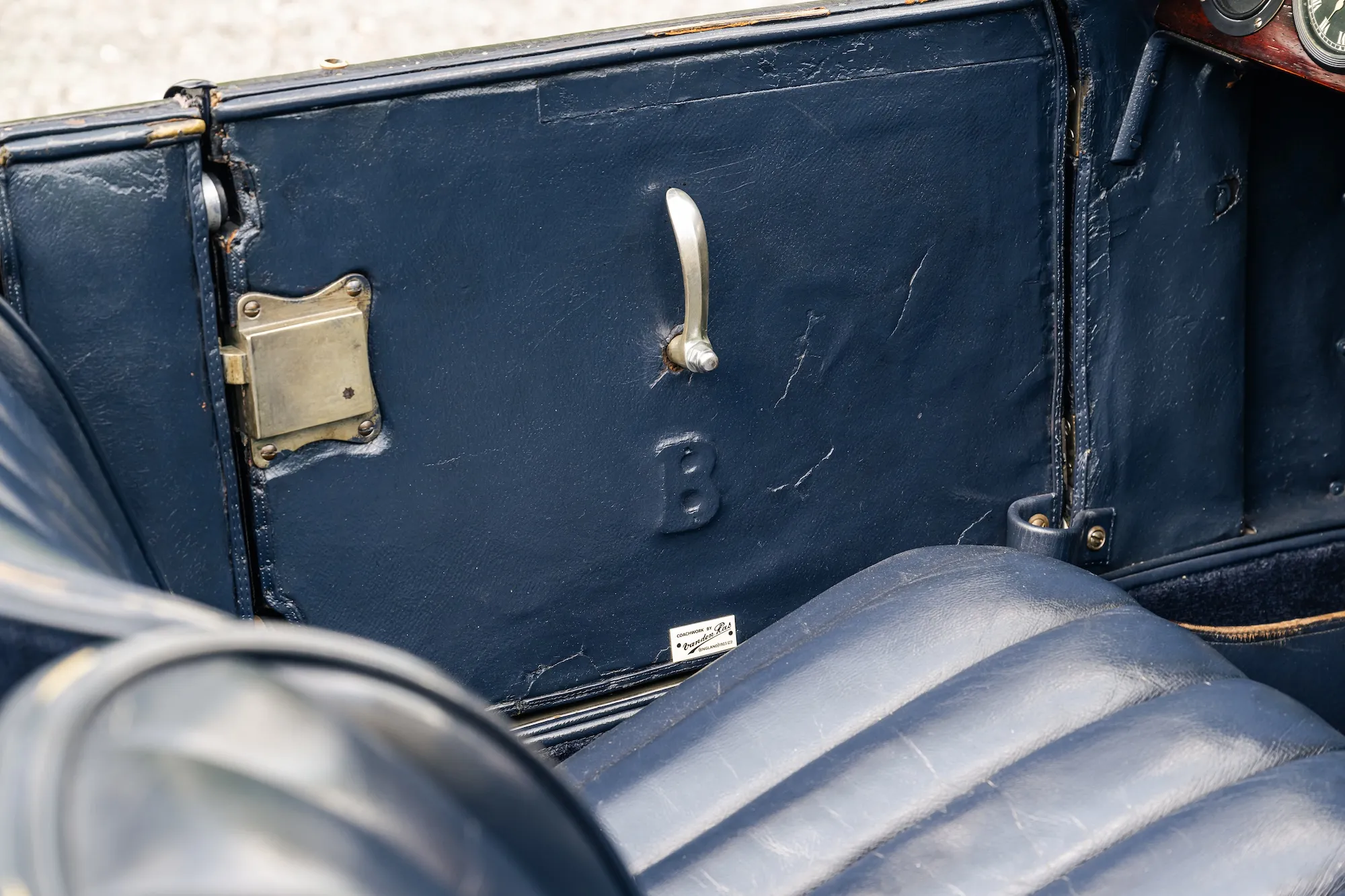
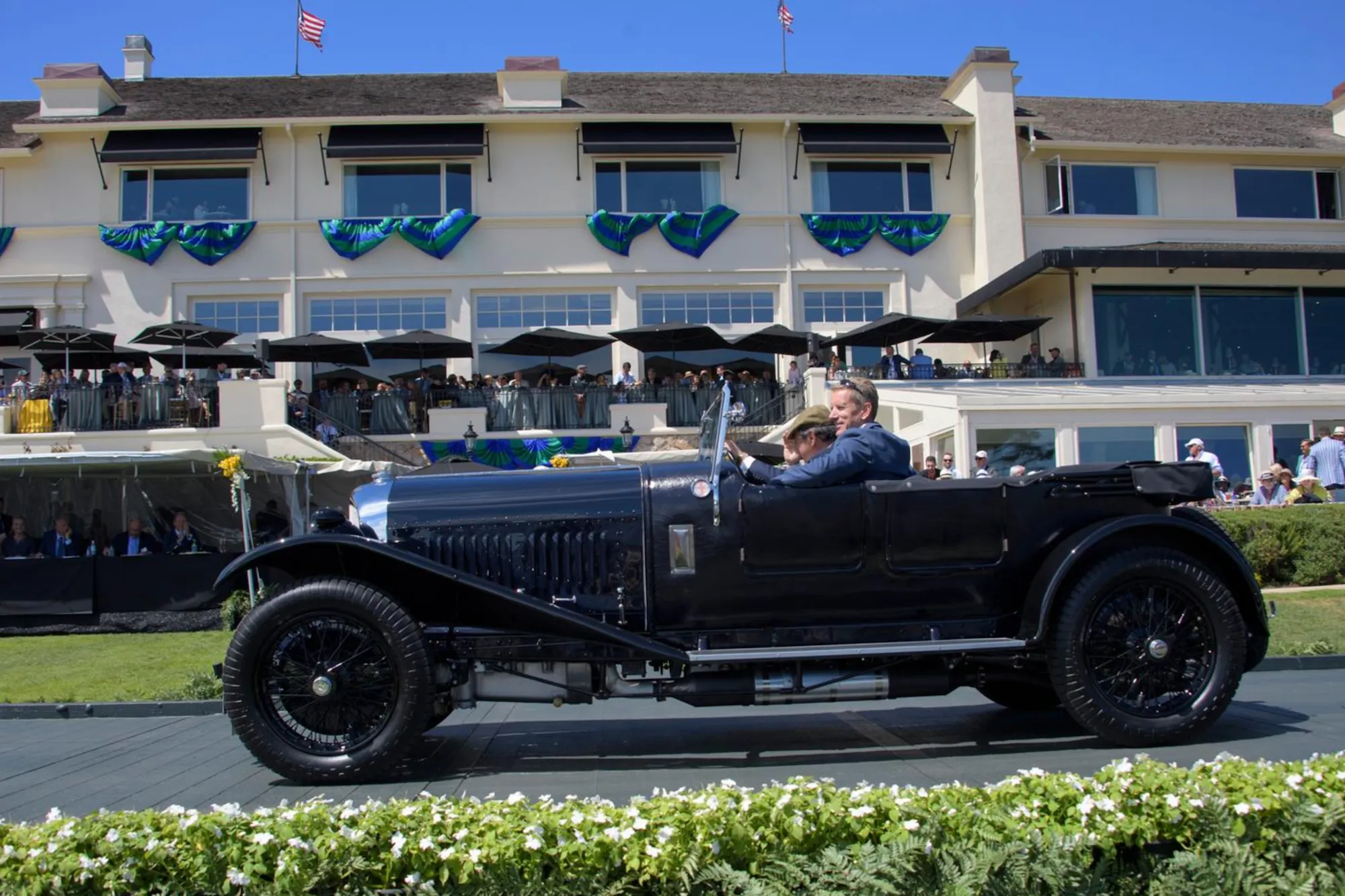
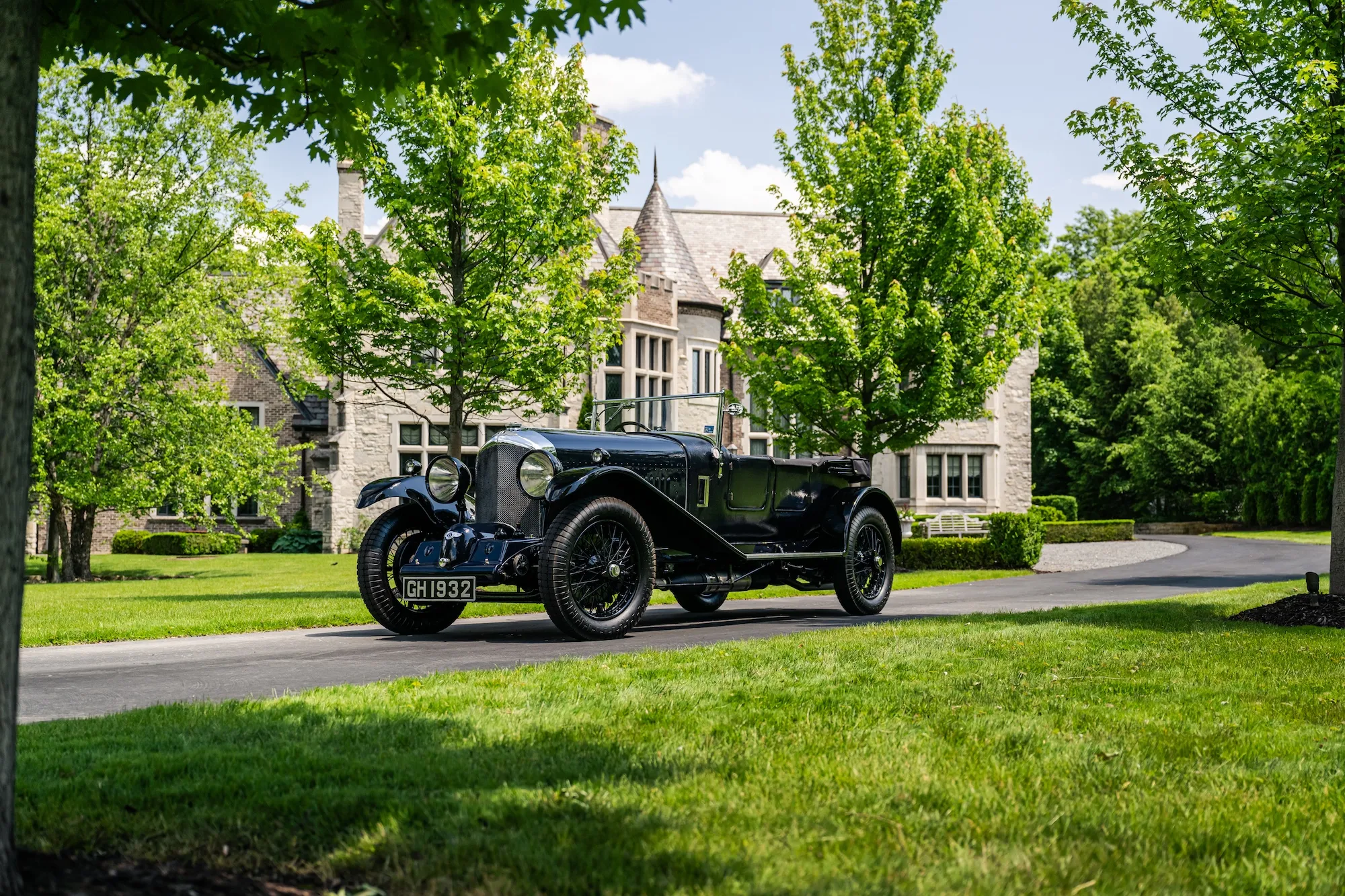
Chassis SM3913 is a 1930 supercharged chassis that was bodied by Vanden Plas in their elegant long bonnet, sports four-seater open-tourer style. It was fitted with engine SM3916 which had been built with a reinforced sump. The reinforced sump was a feature that was only brought into production after engine SM3919 and so chassis SM3913 had been given this upgrade ahead of schedule. The Bentley Service Record also notes that the car was fitted with a Pullswell silencer and an aluminum differential center to the rear axle.
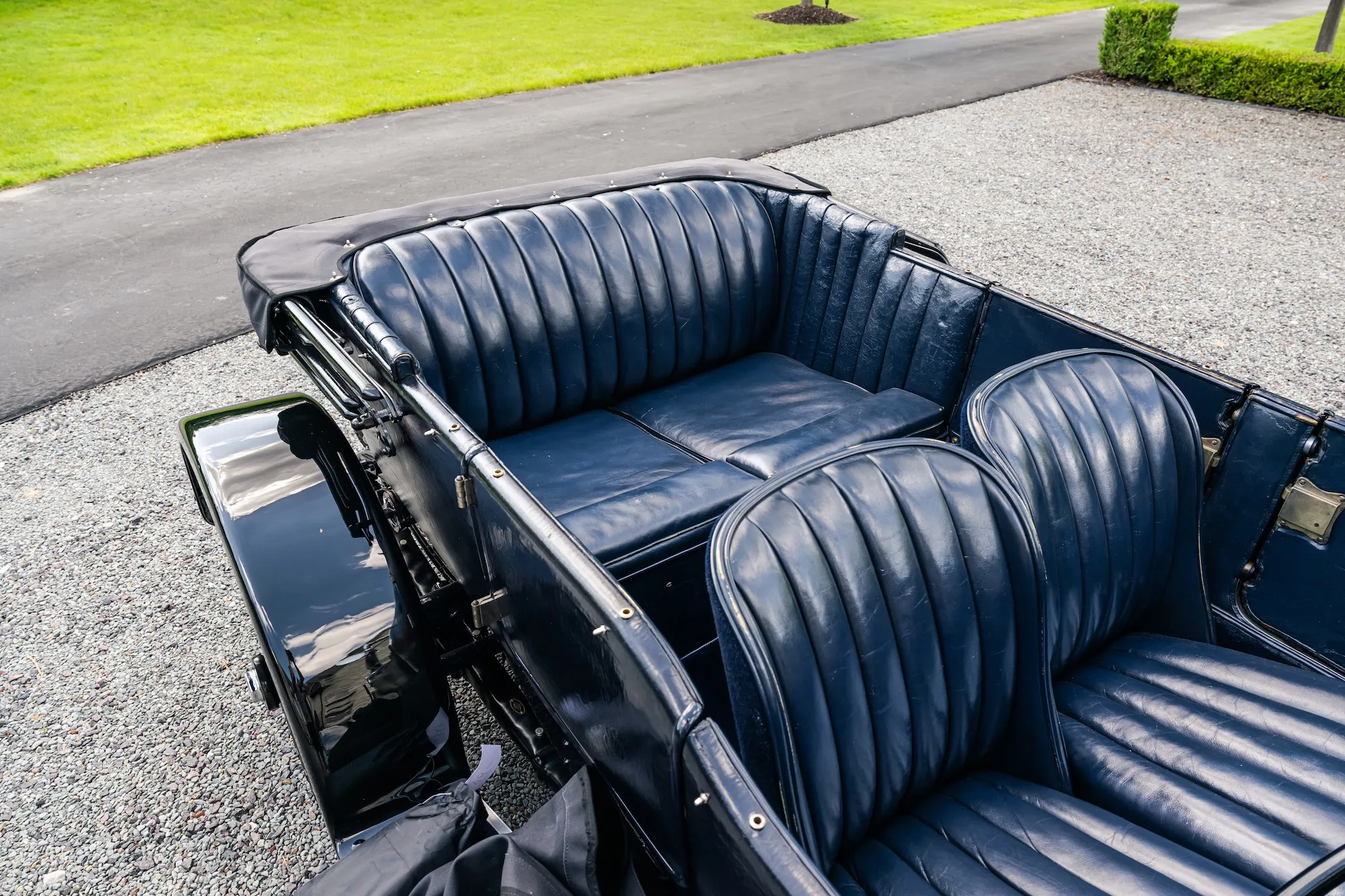
The body order was placed by Bentley Motors themselves on behalf of Rossleigh Ltd who was the leading Bentley agent in Scotland. It was covered in blue Weymann fabric and had originally been specified with blue wings but this was changed to black before completion. The interior was finished in blue leather to match the body fabric.
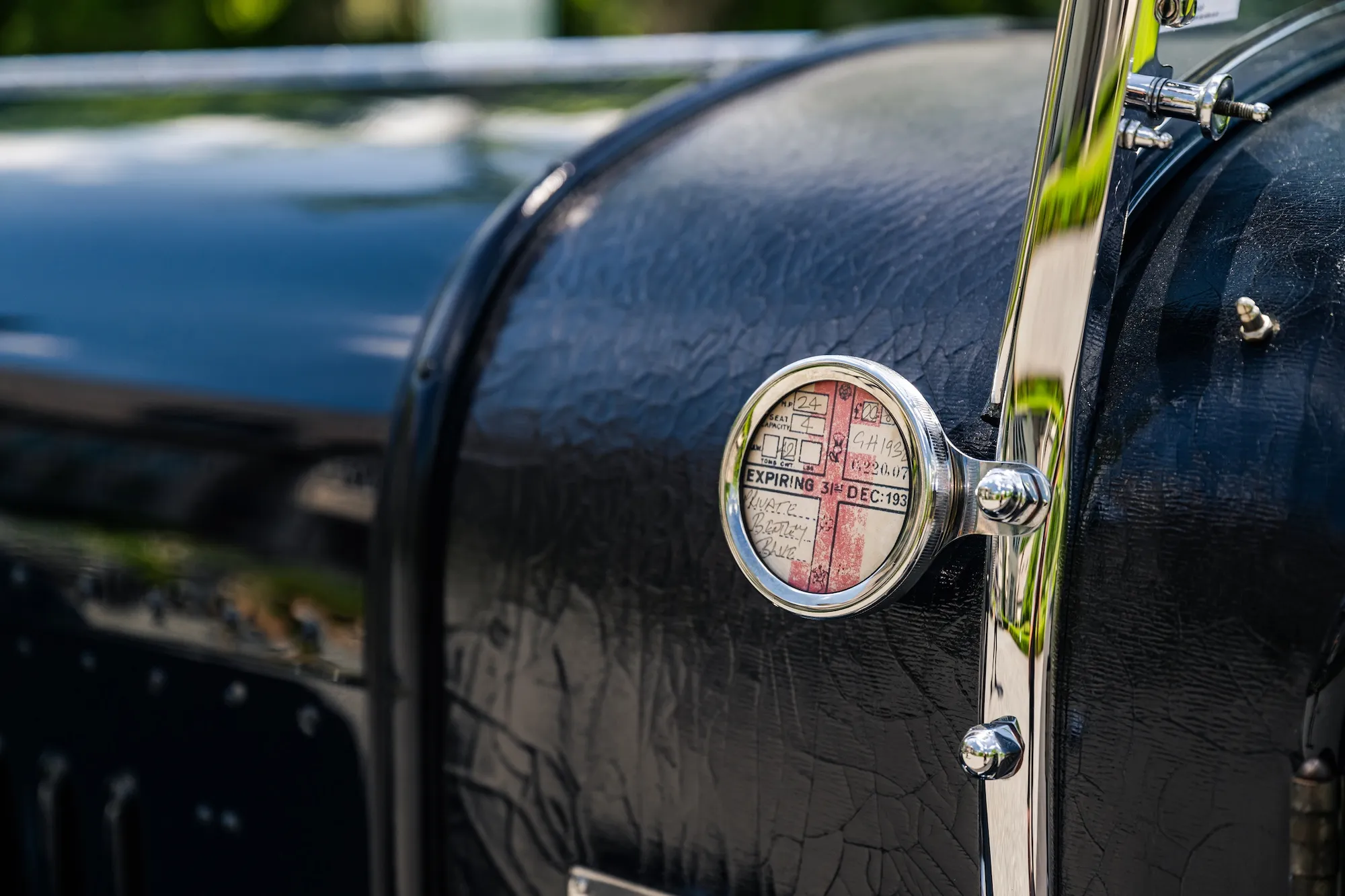
The completed body was invoiced on the 10th of July 1930 and the car returned to Bentley’s Cricklewood factory for its final test. The final test was completed on the 26th of July 1930 with its guarantee expiring on the 26th of July 1935. Noted Bentley historian Dr Clare Hay suggests that this match in dates most likely shows that SM3913 was bodied to order for the first owner, rather than as dealer stock.
The first owner was Mr Gerald Bristowe Sanderson who belonged to the family that set up the North British Distillery Company which blended VAT 69 whisky. The business still operates today selling grain spirit which is used in many well-known blended whisky brands. On the 17th of September 1930, the car was at Bentley for its first look over and at that time it is believed the compression ratio was dropped to 4.5:1, following Woolf Barnato’s findings with his own Blower. Mr Bristowe Sanderson kept the car for 3 years and during this time he used it regularly and had it serviced by both Bentley’s Cricklewood plant and Ian Cunningham who was a Bentley mechanic based in Glasgow.
By January 1933 the car had been sold to Mr R.G. Willson of East Sheen in London. In the same month, Mr Willson had an accident in the car and it went back to the factory to have the chassis frame reconditioned. A few months after this the car was purchased by Mr. A.C. Sewell and the Bentley Service Record states that in August 1933 the car underwent engine decarbonization and that a pair of Bosch headlamps were fitted, at a mileage of 35,248 miles.
Further minor adjustments followed in November 1933 and after this, there was a gap in the Service Record until the 7th February 1936 when SM3913 was sold through Jack Barclay to Mr A.M. Lee of Crown Steel and Wire Mills in Sheffield.
In March 1936 the engine was decarbonized again and the supercharger was overhauled. During the Second World War, Crown Steel was enlisted as an aircraft industry supplier and supplied steel products for all aircraft engineering purposes. It is likely the car was stored away during this period as petrol rationing was in force. In 1947 the ownership then passed to Mr Harry Kemp-Place who was a racer and owner of Evergreen Garage in Colchester. The following year the car was sold to Mr Raymond Erith, also based in Colchester. Despite the sale, Mr Kemp-Place would still be involved with the car, racing it on a couple of occasions.
Mr. Erith was a leading classical architect who had designed cottages in Windsor Great Park for King George VI and would later be appointed as the architect for the reconstruction of Downing Street in 1958. He would compete with the car at the 1950 BDC sprint at Silverstone and then in May 1952 the car was raced by Mr Kemp-Place at Boreham. Mr Erith had suffered from tuberculosis since he was a child which meant that it was sometimes a struggle for him to drive the car. Despite this, he described it as “quite the nicest car” he had ever owned. By September 1954 the Blower had been reacquired by Mr Kemp- Place and he took part in the 10 lap handicap race at the BDC Silverstone event, finishing in fourth place.
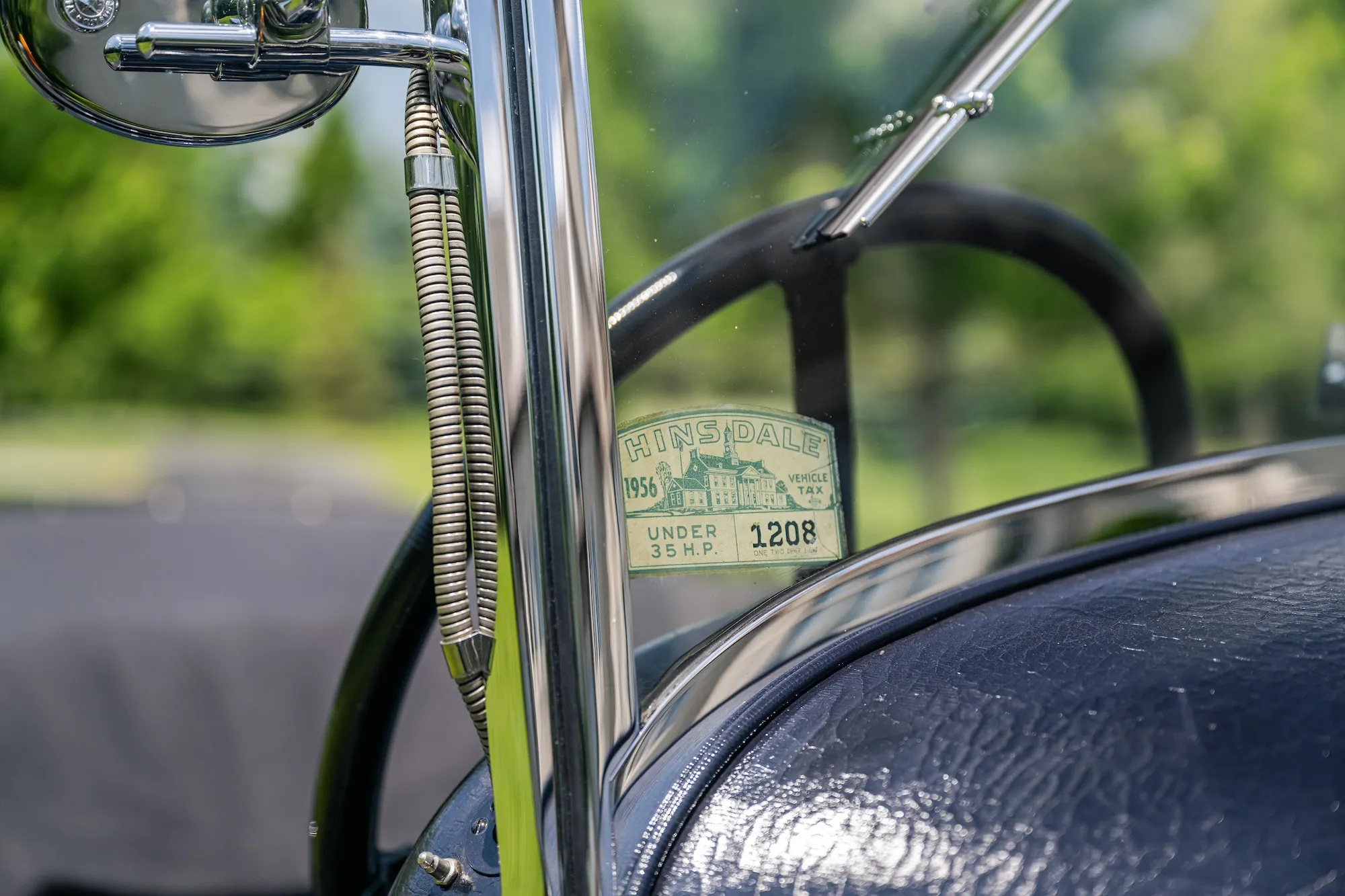
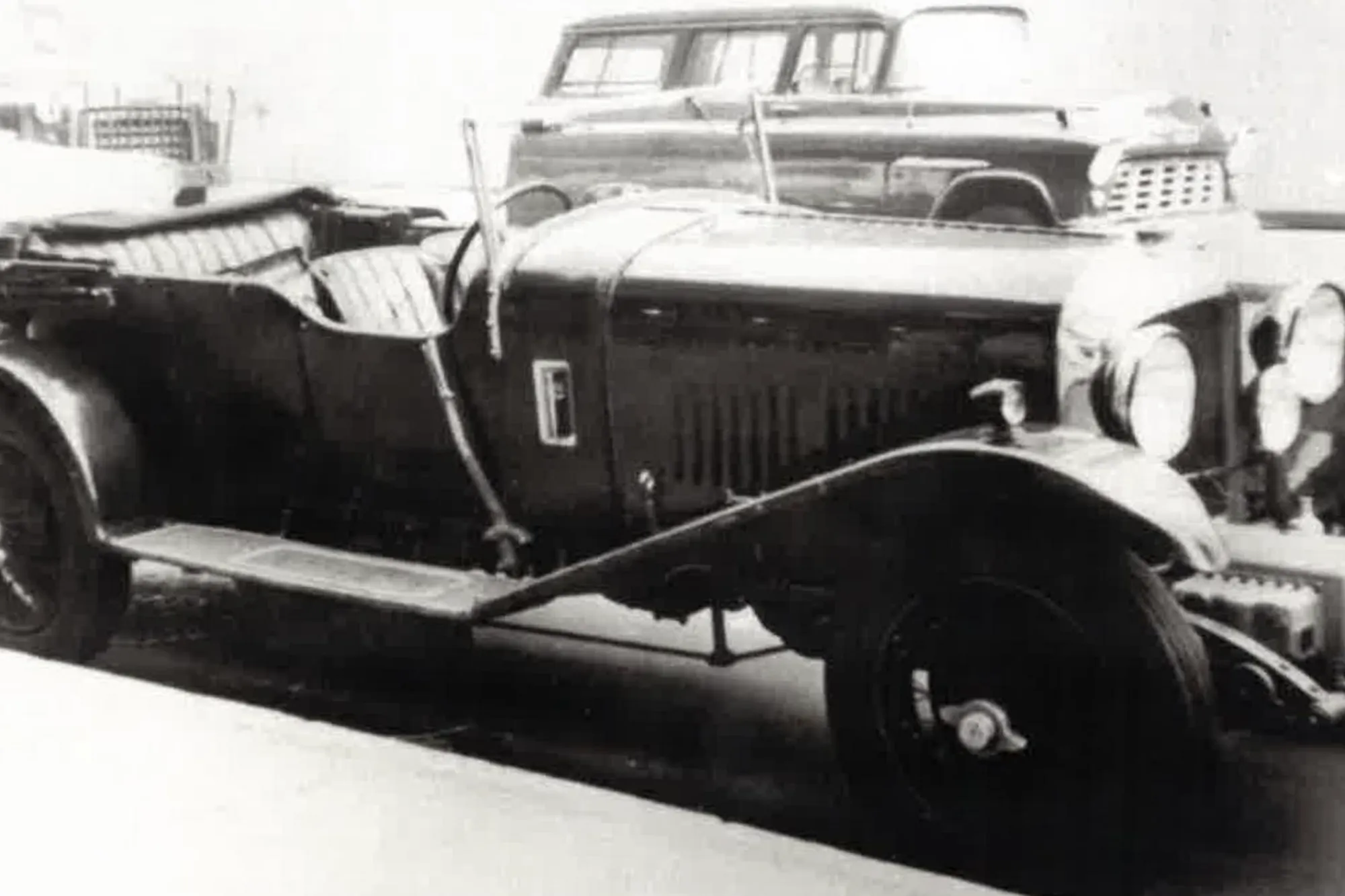
In 1955 SM3913 was sold to Mr Anelise Stewart of Dunbartonshire who would then sell it to Mr Richard E. Stitt of Chicago later that year. In a letter from Mr Stewart to Mr Stitt he writes that the main reason the Bentley was sold was because of a “christening” and his expanding family. The car was shipped from the United Kingdom over to America where it was met by Mr and Mrs Stitt in Mount Joy, Pennsylvania who would then drive it back to their home in Chicago, a journey of some 700 miles.
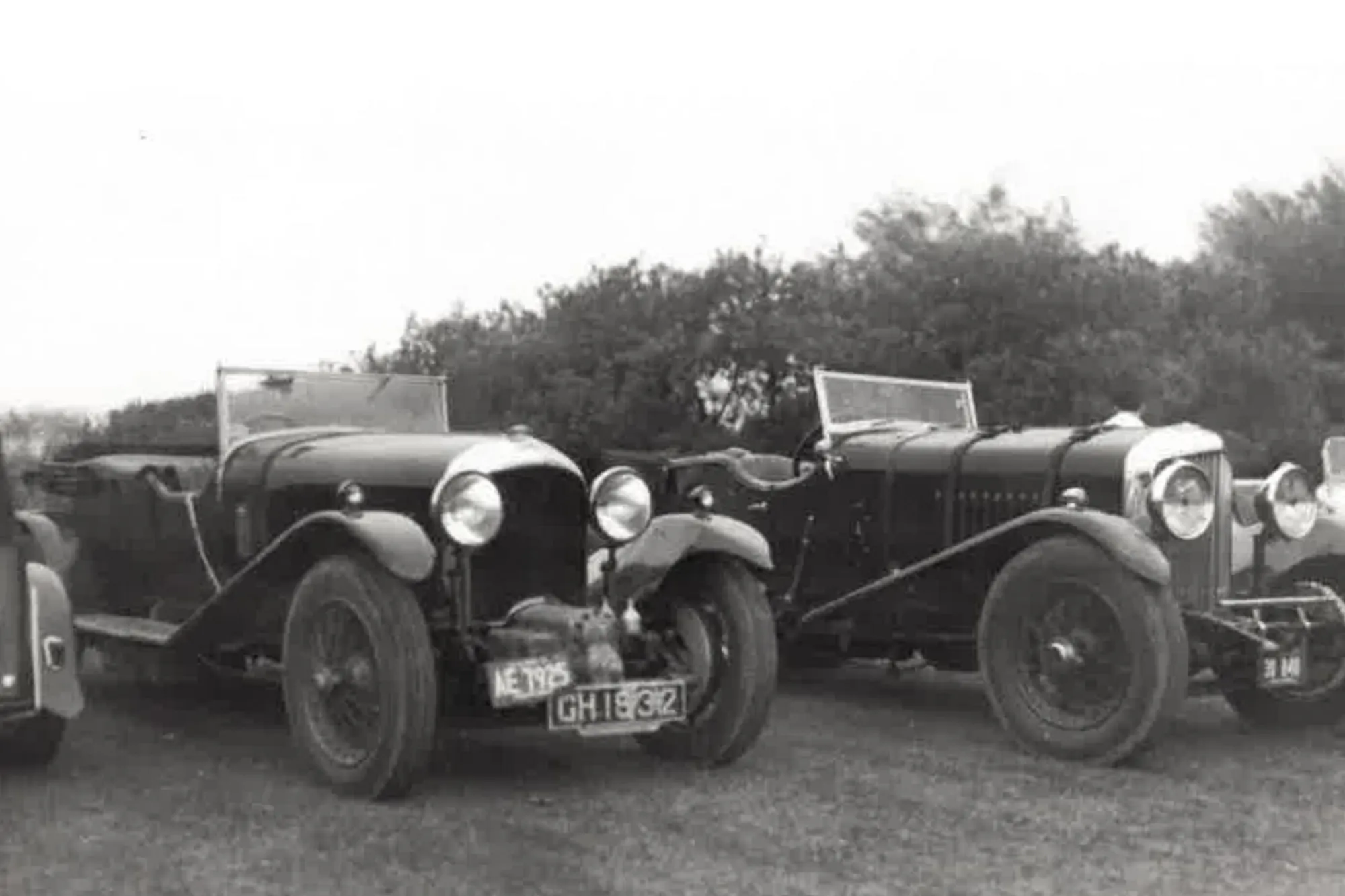
This journey was documented by Mrs Shirley Stitt who explained that while it was not completely plain sailing (mainly due to a leaking roof and fouling spark plugs) they all made it home in one piece and by the end of the journey Mrs Stitt had “fallen a little bit in love”. This love affair would continue for 33 years before the car was sold to Guernsey-based collector Mr Tim Scott. In June 1988 Mr Scott displayed SM3913 at the BDC Kensington Garden Concours where it was seen by Dr Clare Hay who writes in her dedicated book on the car that it was “in remarkably original condition” at that time.
In June 1998 the car was sold at the Brooks Goodwood Festival of Speed sale to renowned collector, Mr Michael Mak. It was displayed at a Concours in Hillsborough in 2005 and was later purchased by Mr Etienne Veen, a noted pre-war car collector. Restoration works were carried out by P&A Wood and the car was subsequently sold to its most recent owner, one of the world’s foremost car collectors, Mr Peter Livanos. In 2014 the car took part in the Flying Scotsman Rally before being sent to R.C. Moss Ltd for a more comprehensive and exact restoration.
During the initial work carried out by P&A Wood, some details were incorrectly finished and did not conform to the original specification. The remit given to R.C. Moss by Mr. Livanos was not to just ensure this restoration would be used as a reference point for Blowers moving forward, but to also ensure the car’s originality was not spoiled. When asked about the works recently, Graham Moss insisted that this was more of a preservation than a restoration and stated that the original interior was retained where possible and most of the rexine on the fabric body remains original today. This process was overseen and documented by Dr Hay and the project took 5 years to complete at a total cost of £729,836.76.
Following its restoration, the car was entered into the Pebble Beach Concours d’Elegance in August 2019 which was a celebration of 100 years of the Bentley marque. Against incredibly tough competition, SM3913 came out on top and was awarded Best in Class. A testament to both the originality of the car and the world-class restoration carried out by R.C. Moss.
Provenance
Gerard Bristowe Sanderson, Edinburgh, Scotland (acquired new in 1930)
R.G. Wilson, London, England (acquired by 1933)
A.C. Sewall, London, England (acquired via Jack Olding in 1933)
A.M. Lee, Sheffield, England (acquired via Jack Barclay in 1936)
Harry Kemp-Place, Essex, England (acquired by 1947)
Raymond Erith, Essex, England (acquired from the above in 1948)
Harry Kemp-Place, Essex, England (reacquired by 1954)
A.A.S. Stewart, Dunbartonshire, England (acquired in 1955)
Richard E. Stitt, Hinsdale, Illinois (acquired from the above in 1955)
Tim Scott, England (acquired from the above in 1988)
The Blackhawk Collection, Danville, California (acquired in 2004)
Private Collection, Switzerland (acquired in 2011)
Private Collection, USA (acquired from the above)
Private Collection, USA (acquired in 2022)
Highlights
Colour Blue
Driver Position RHD
Chassis Number SM3913
Engine Number SM3916
Price Call for Price
Gallery