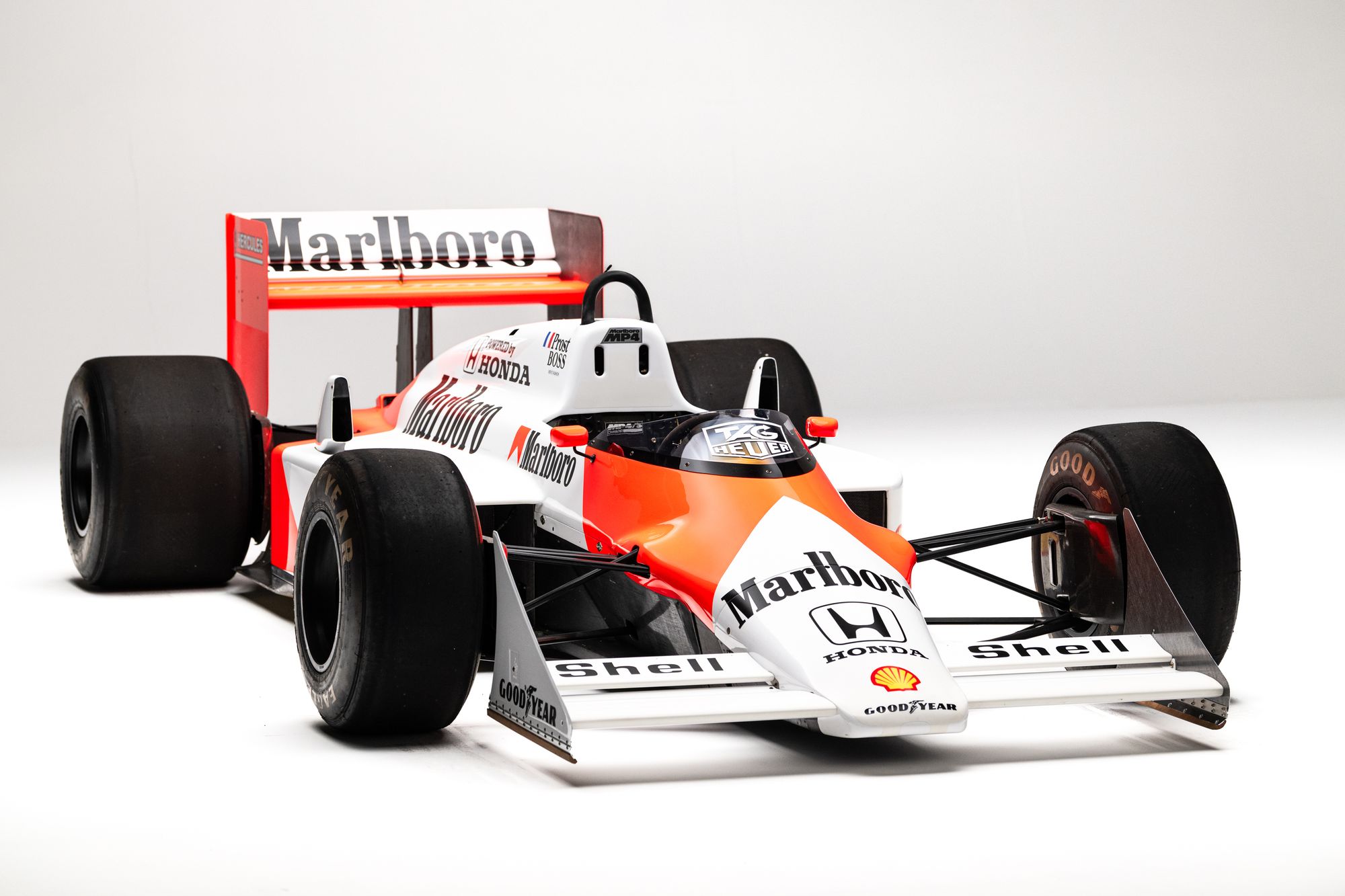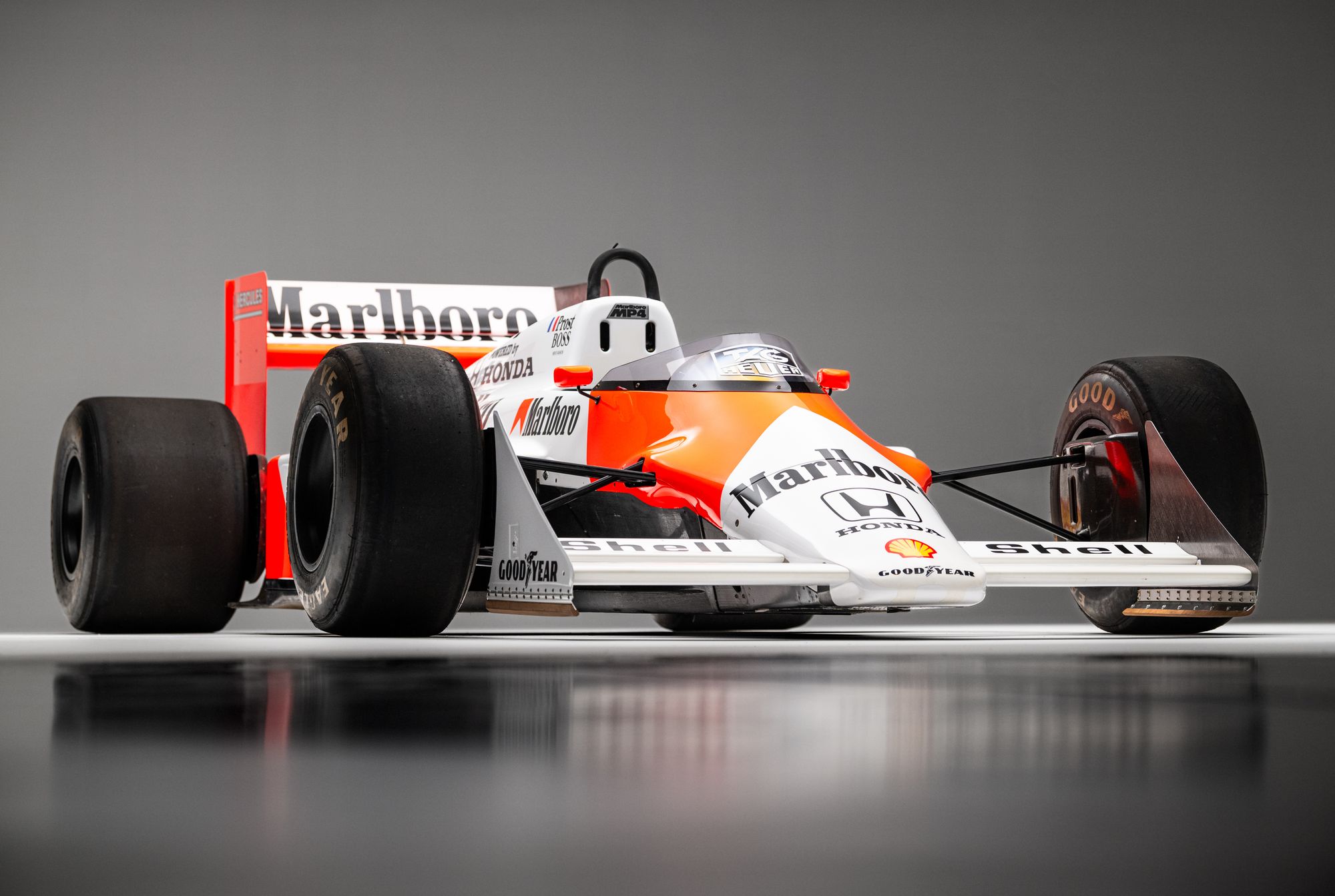
1987 McLaren MP4‑3B Honda Development Chassis Now Available
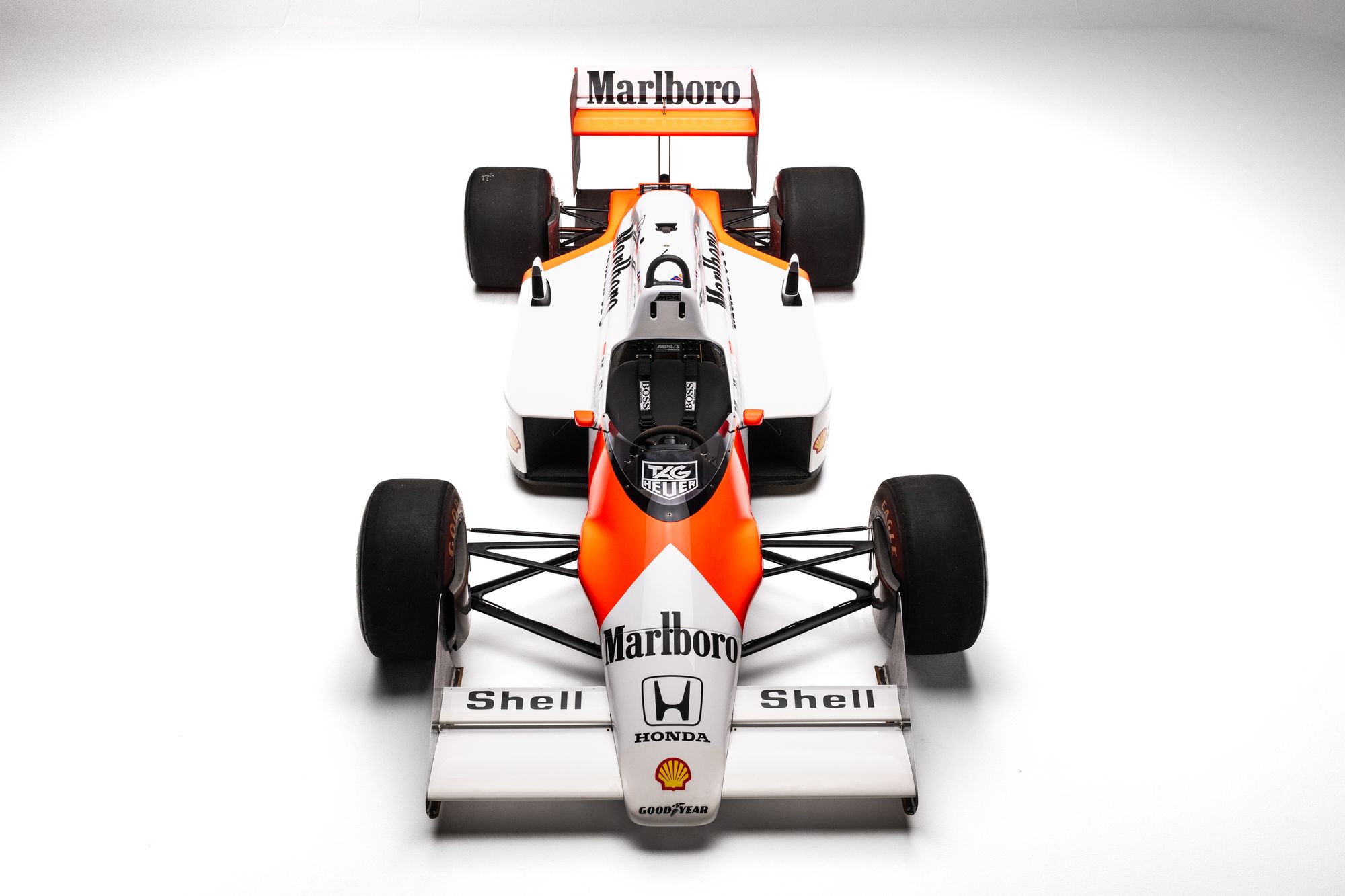
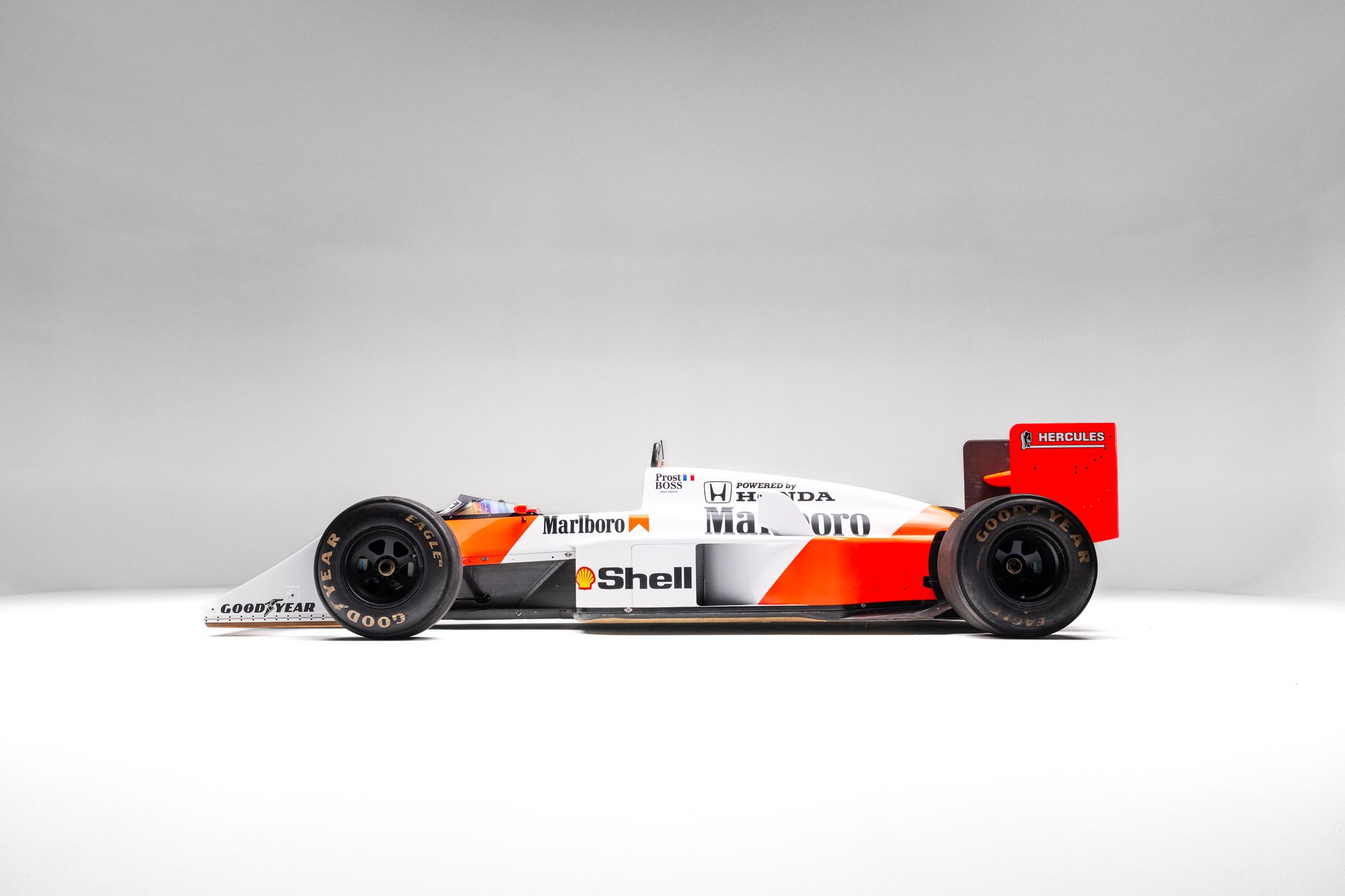
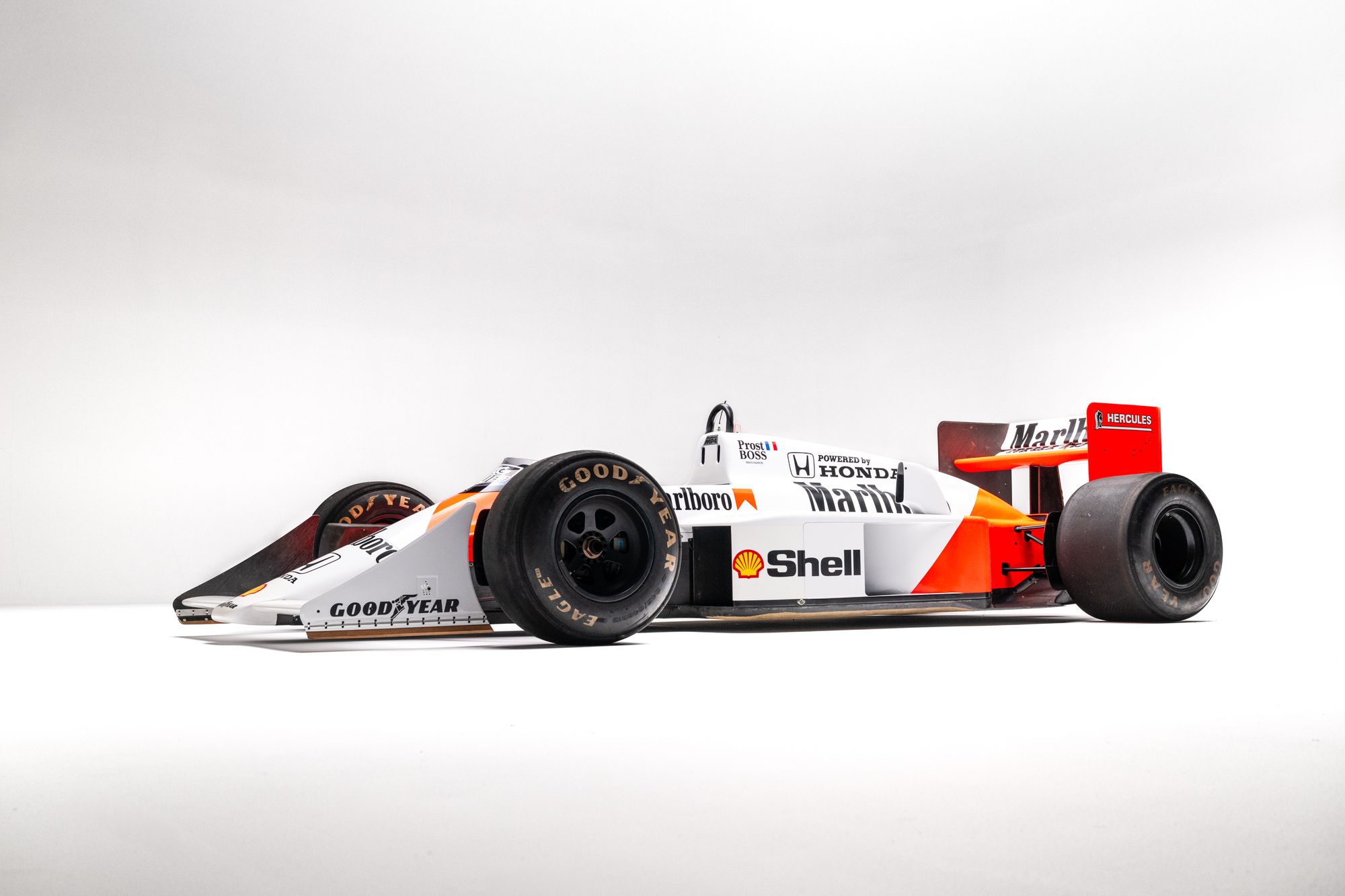
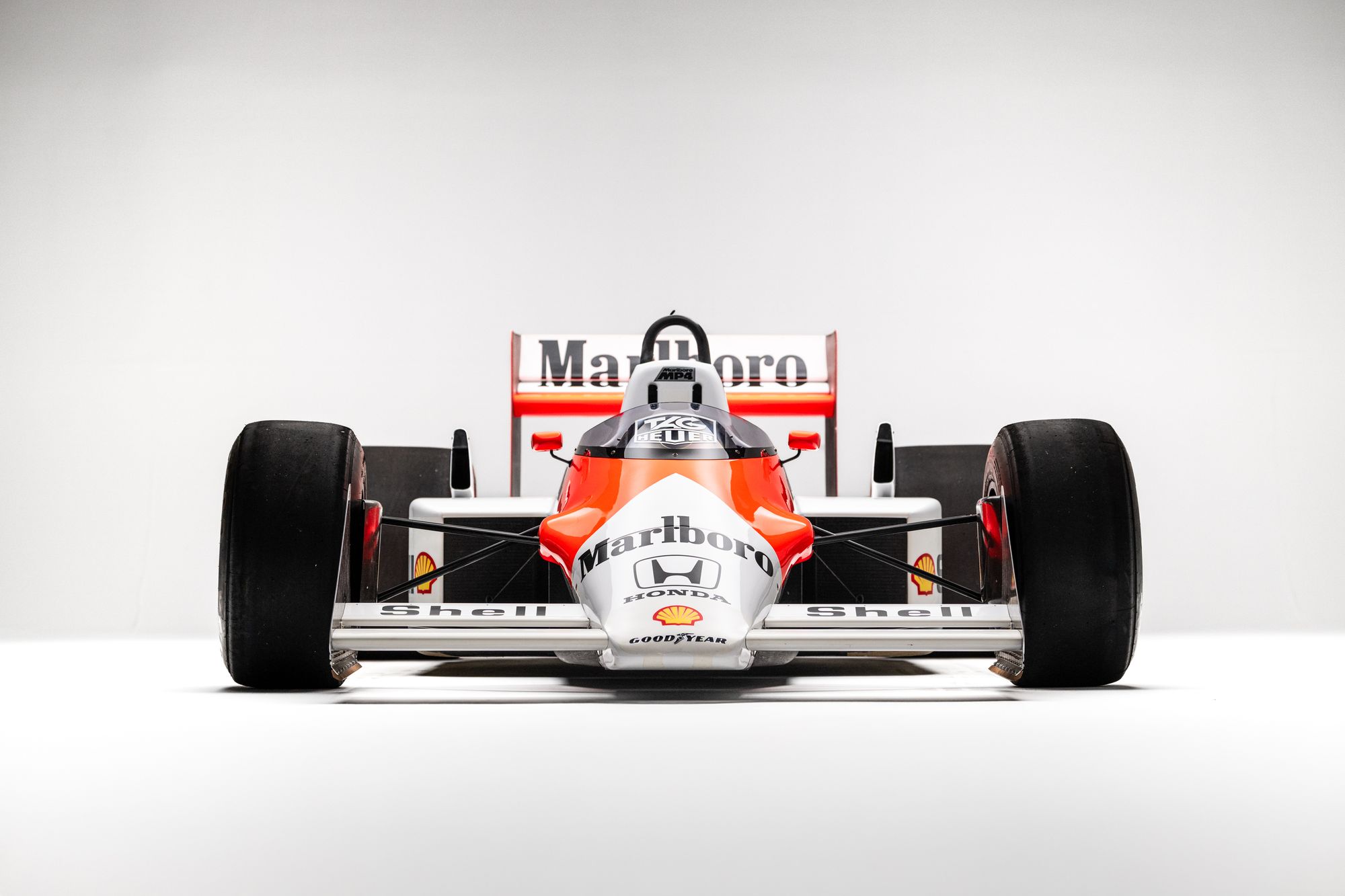
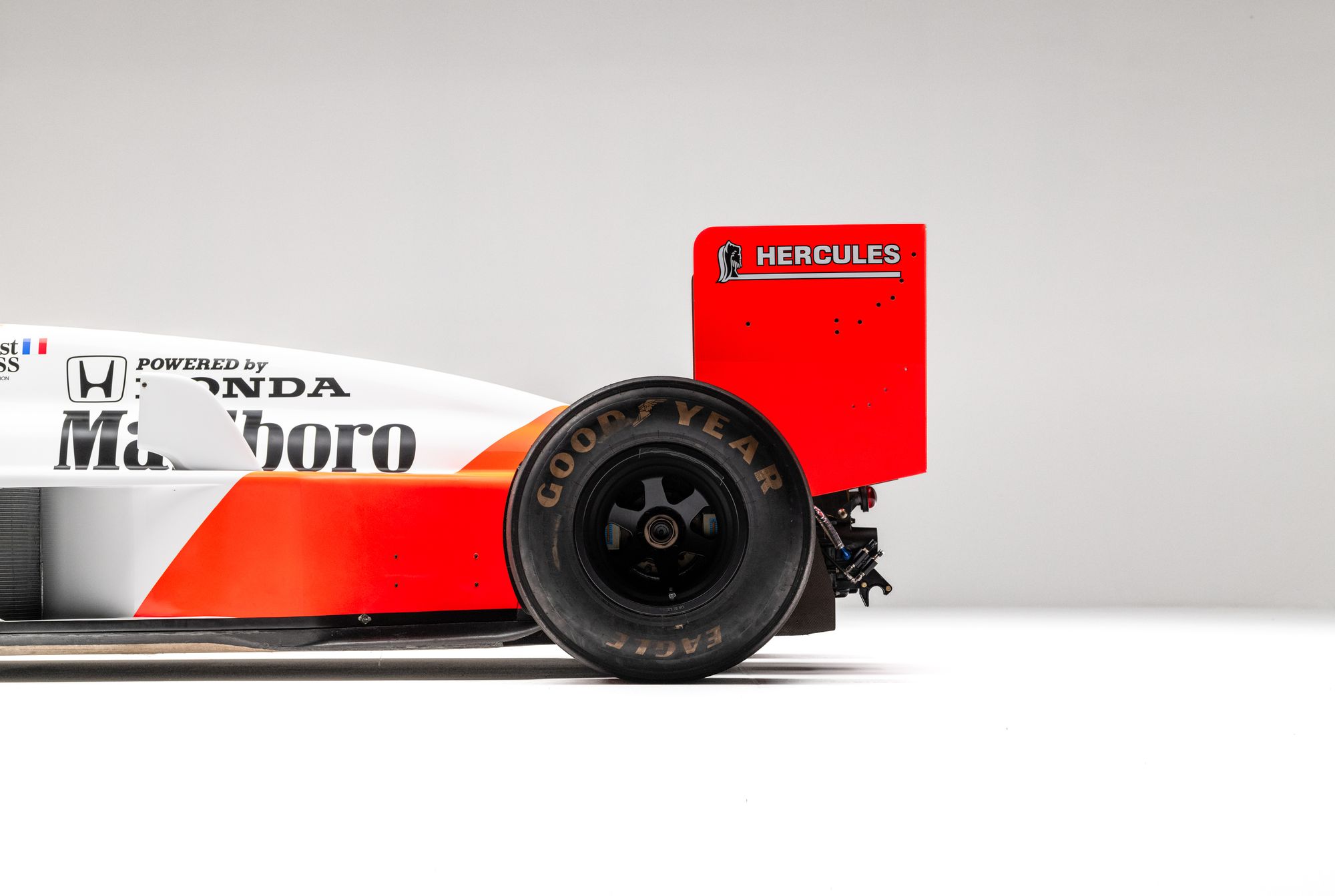
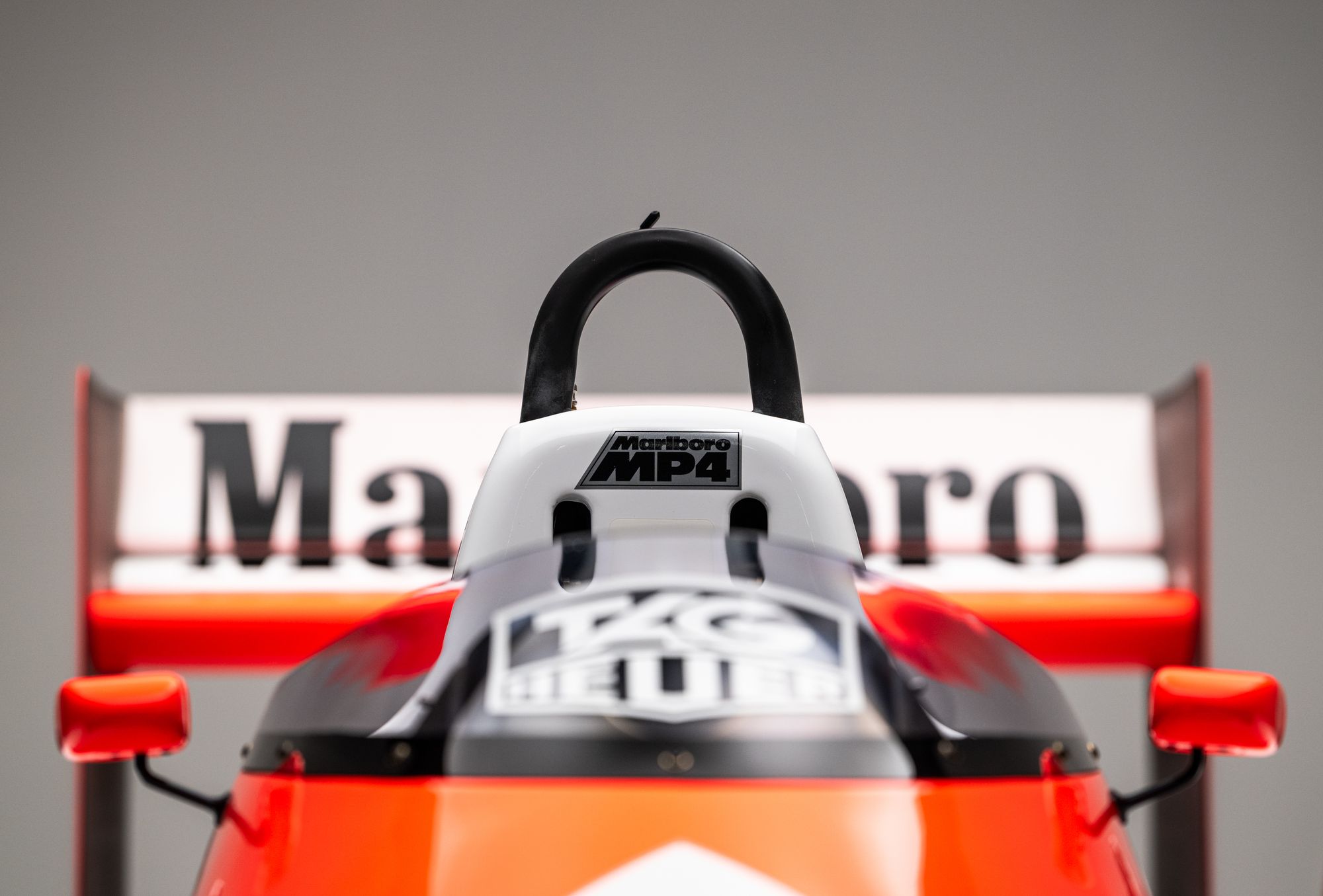
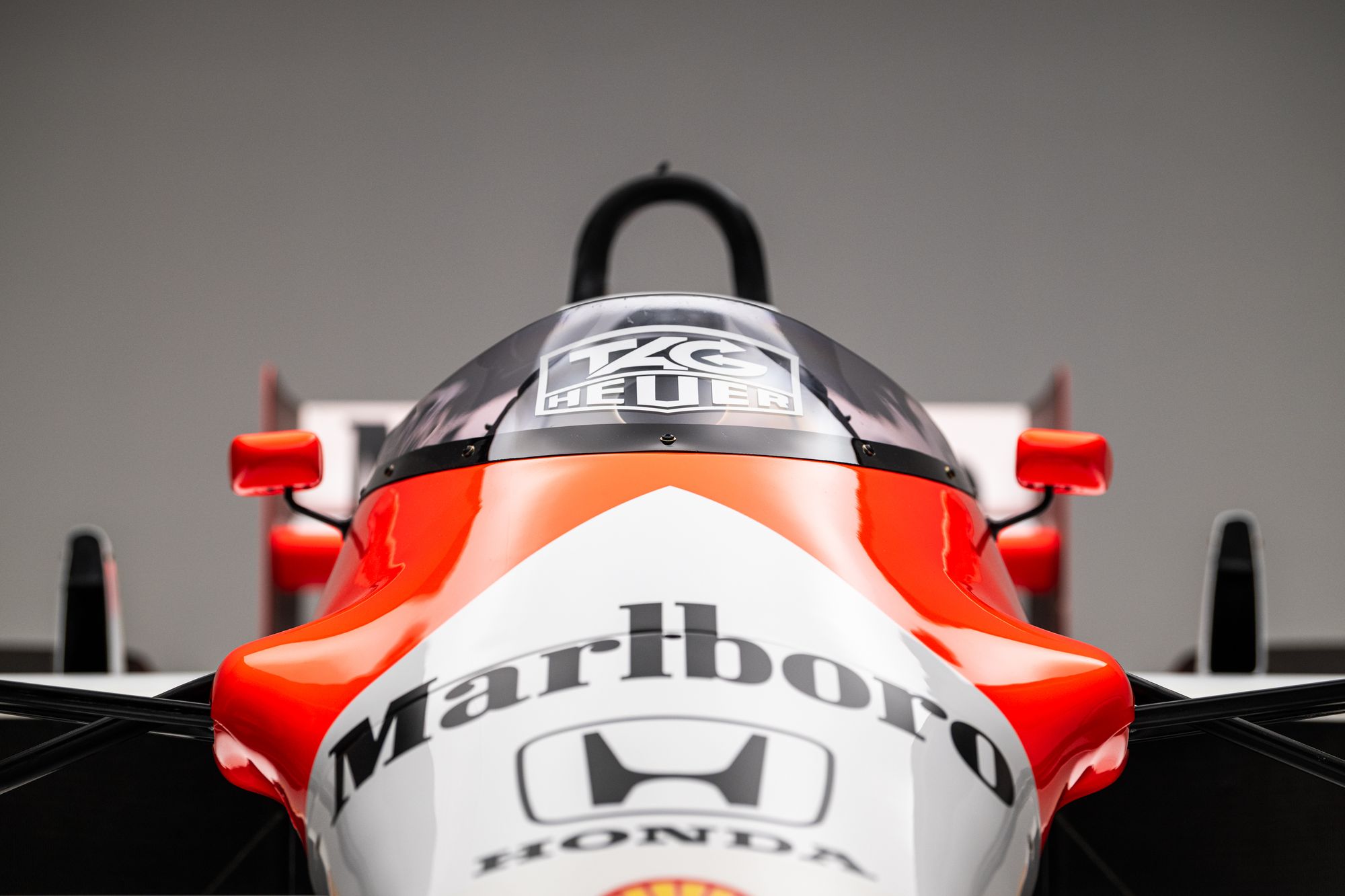
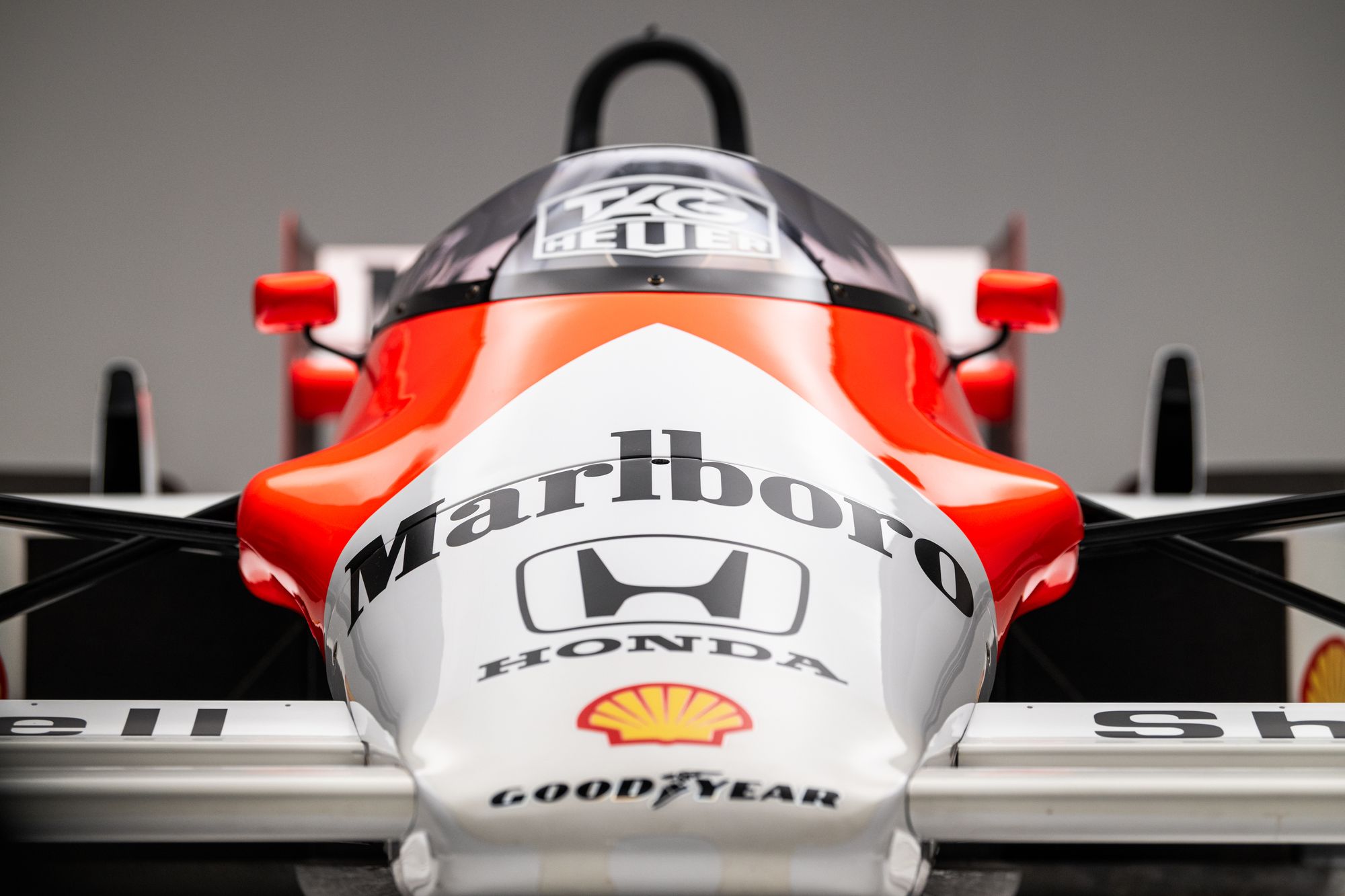
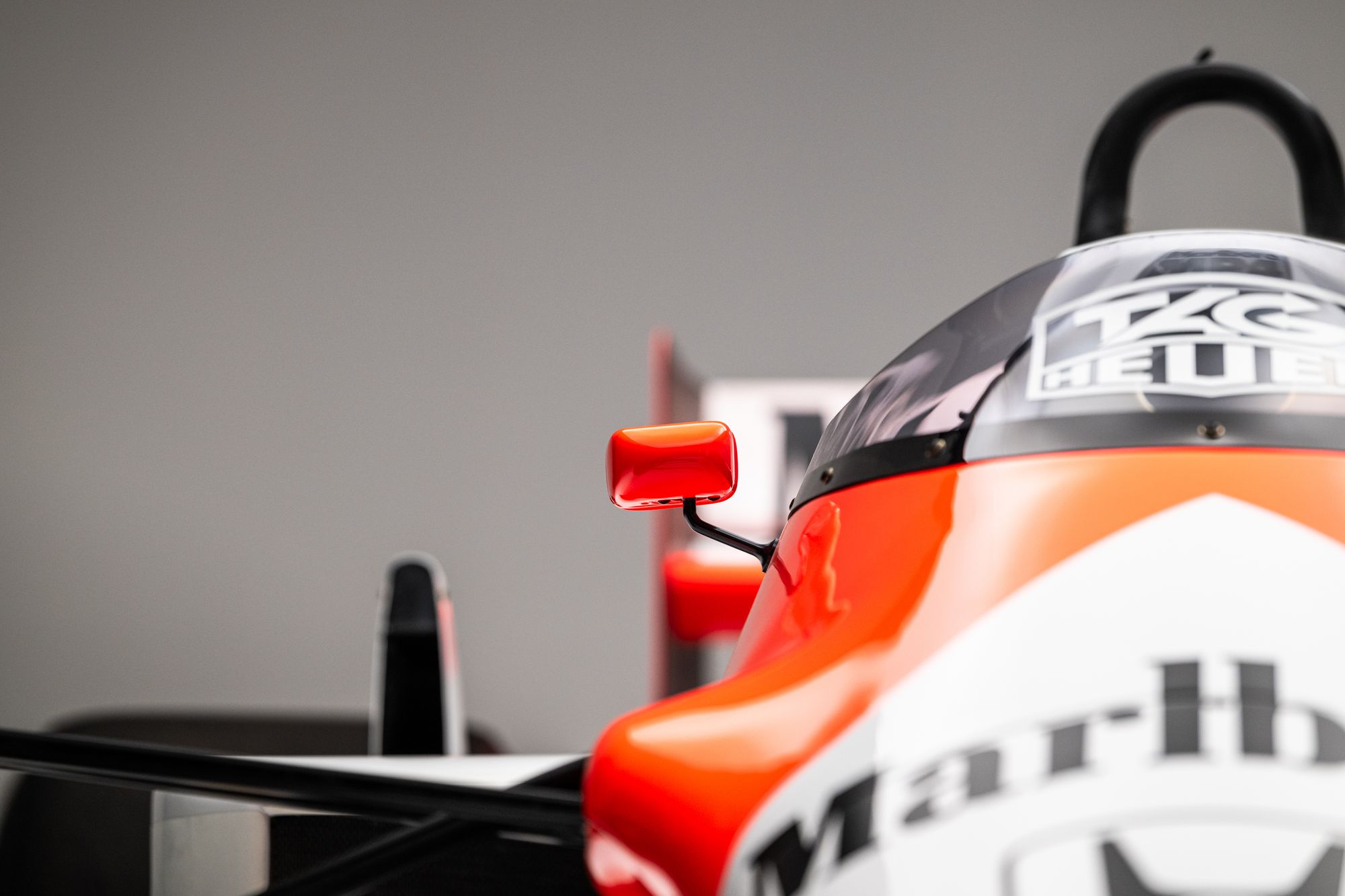
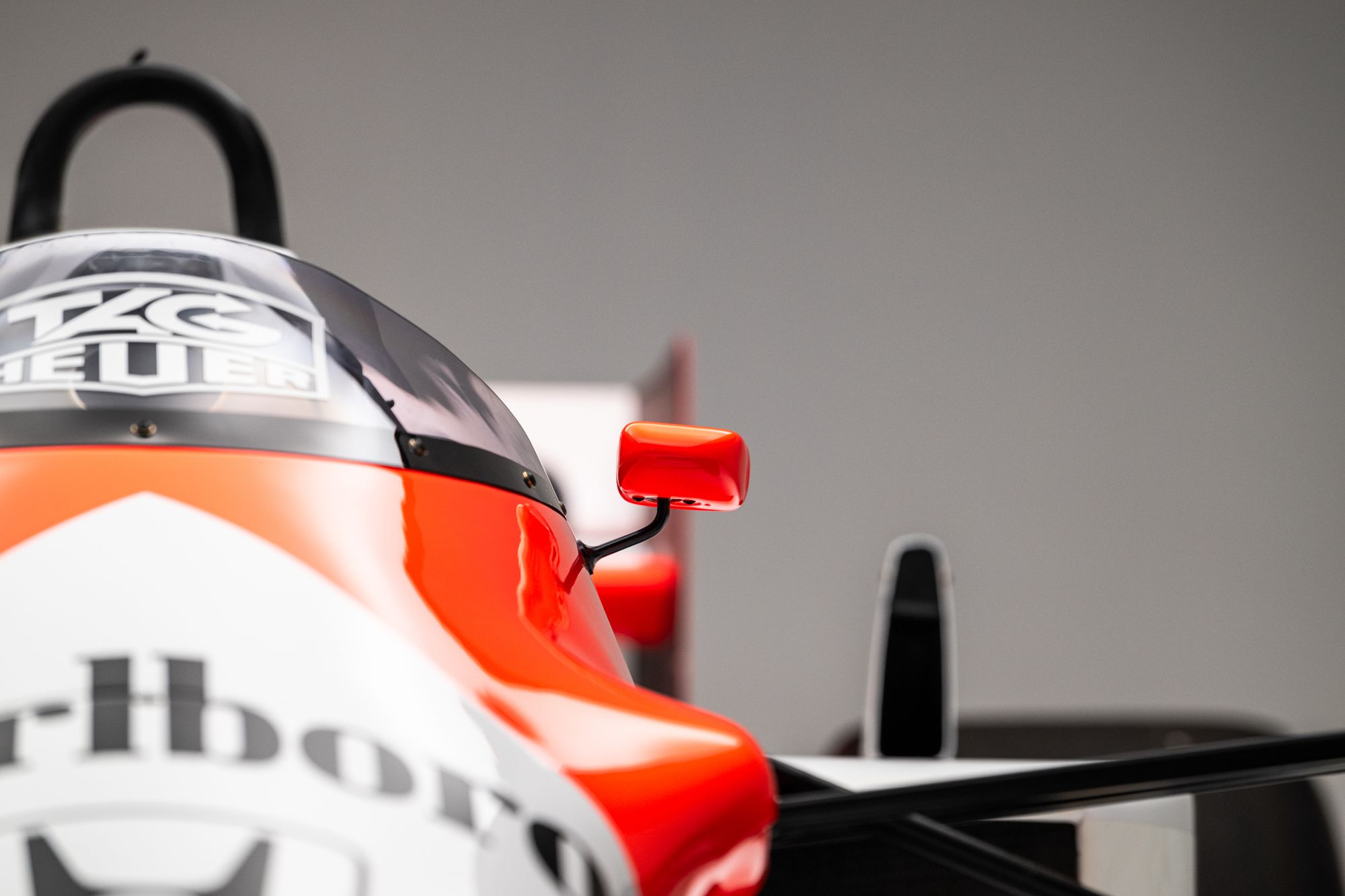
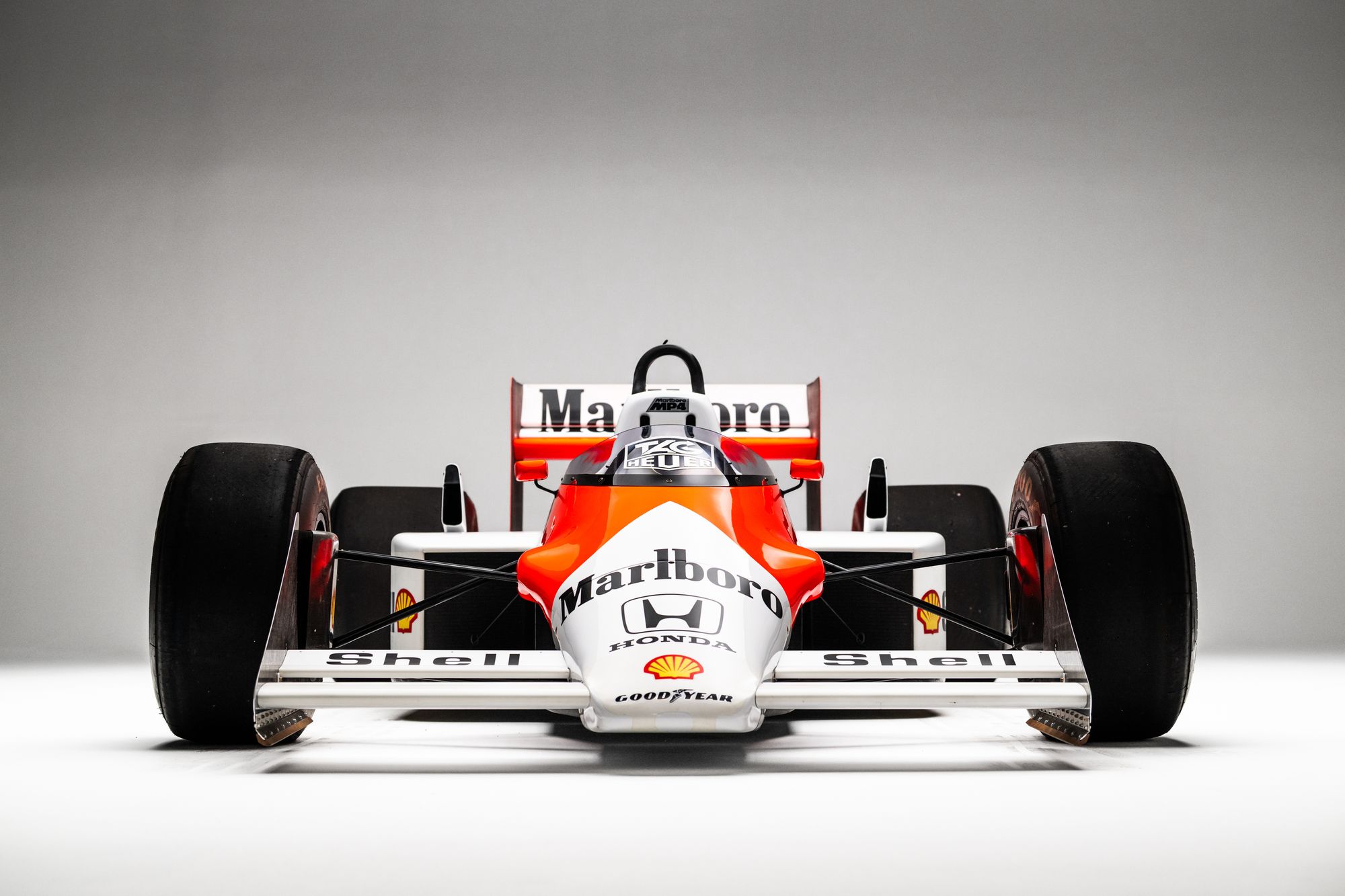
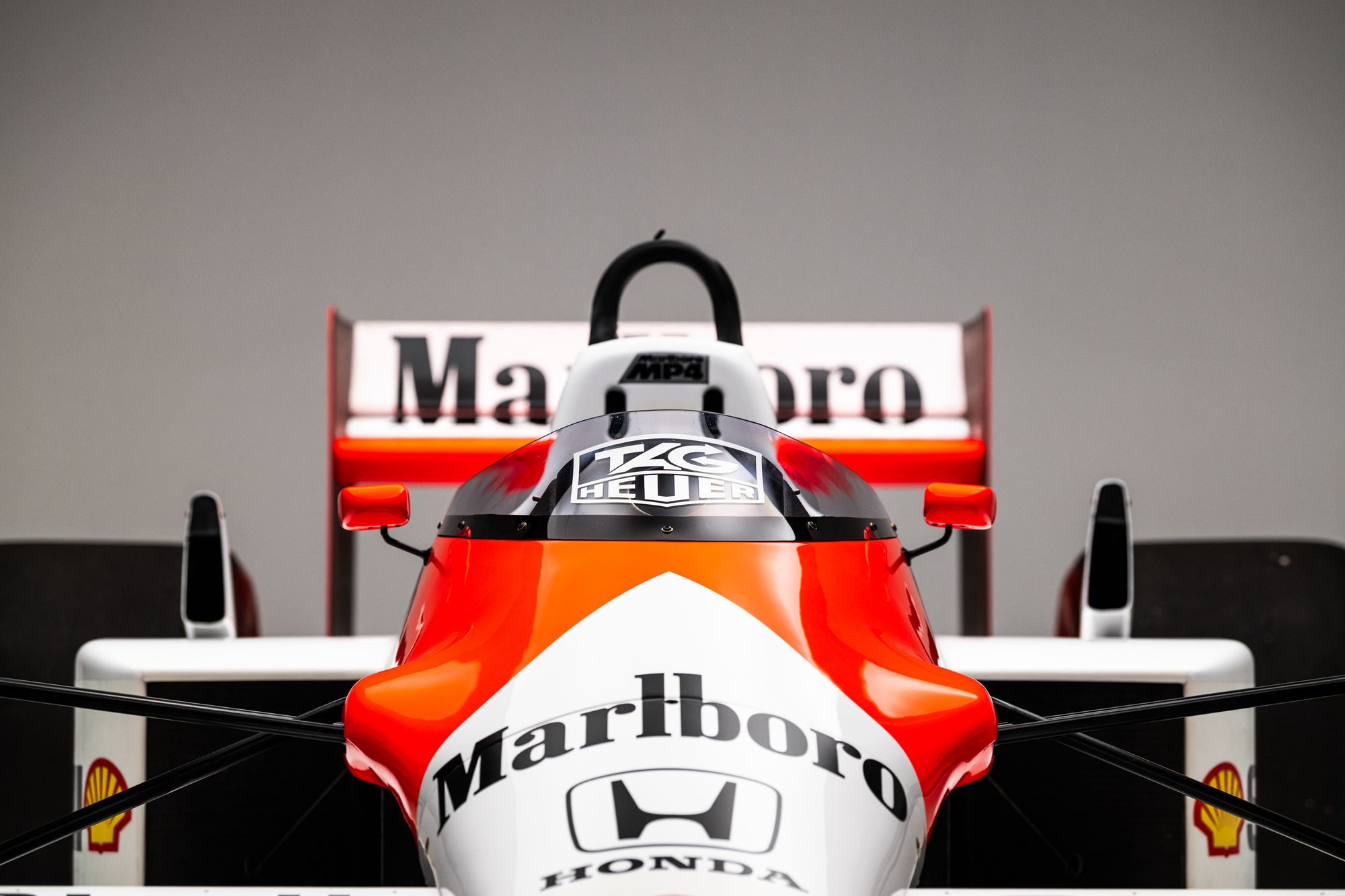
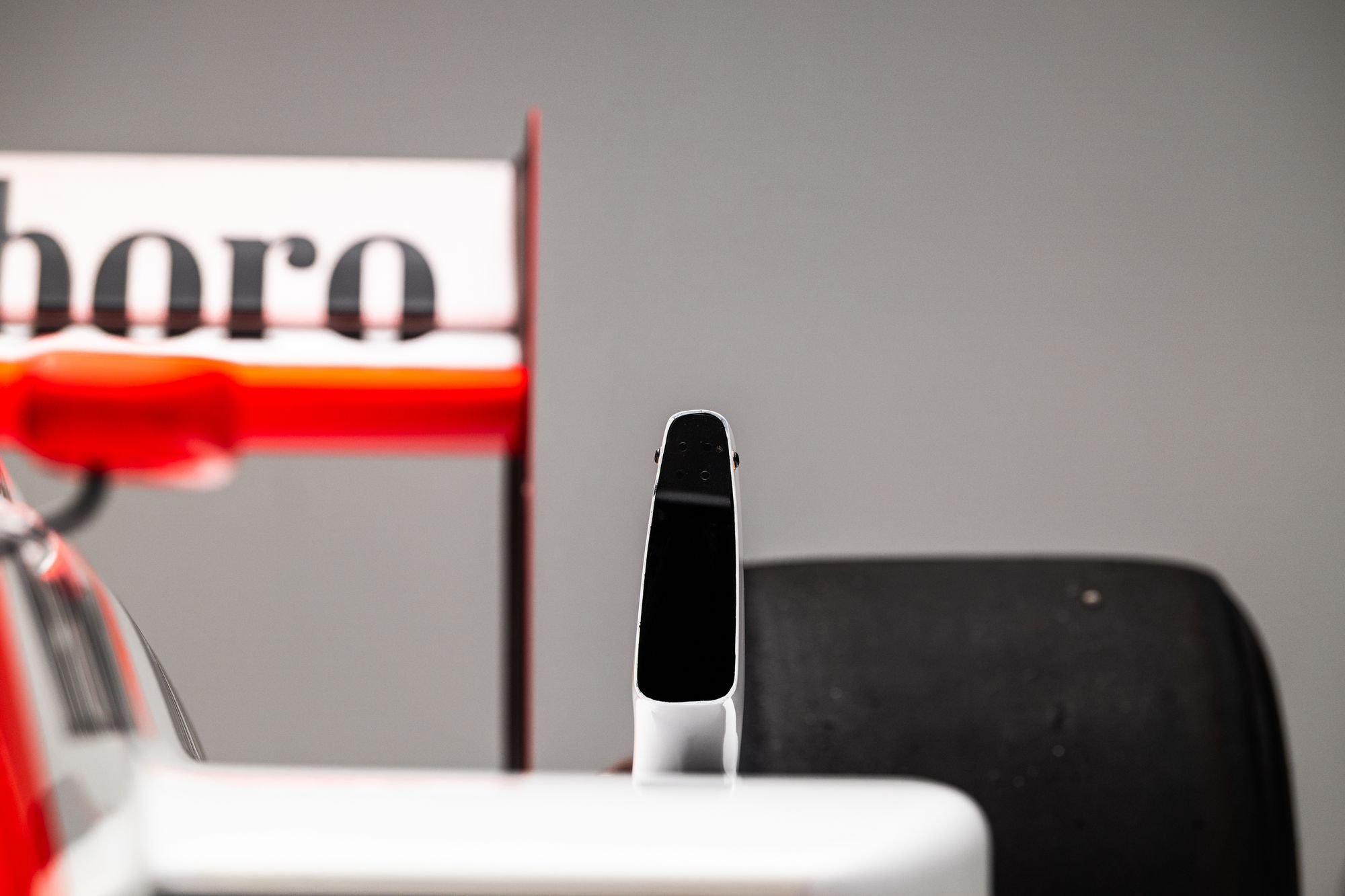
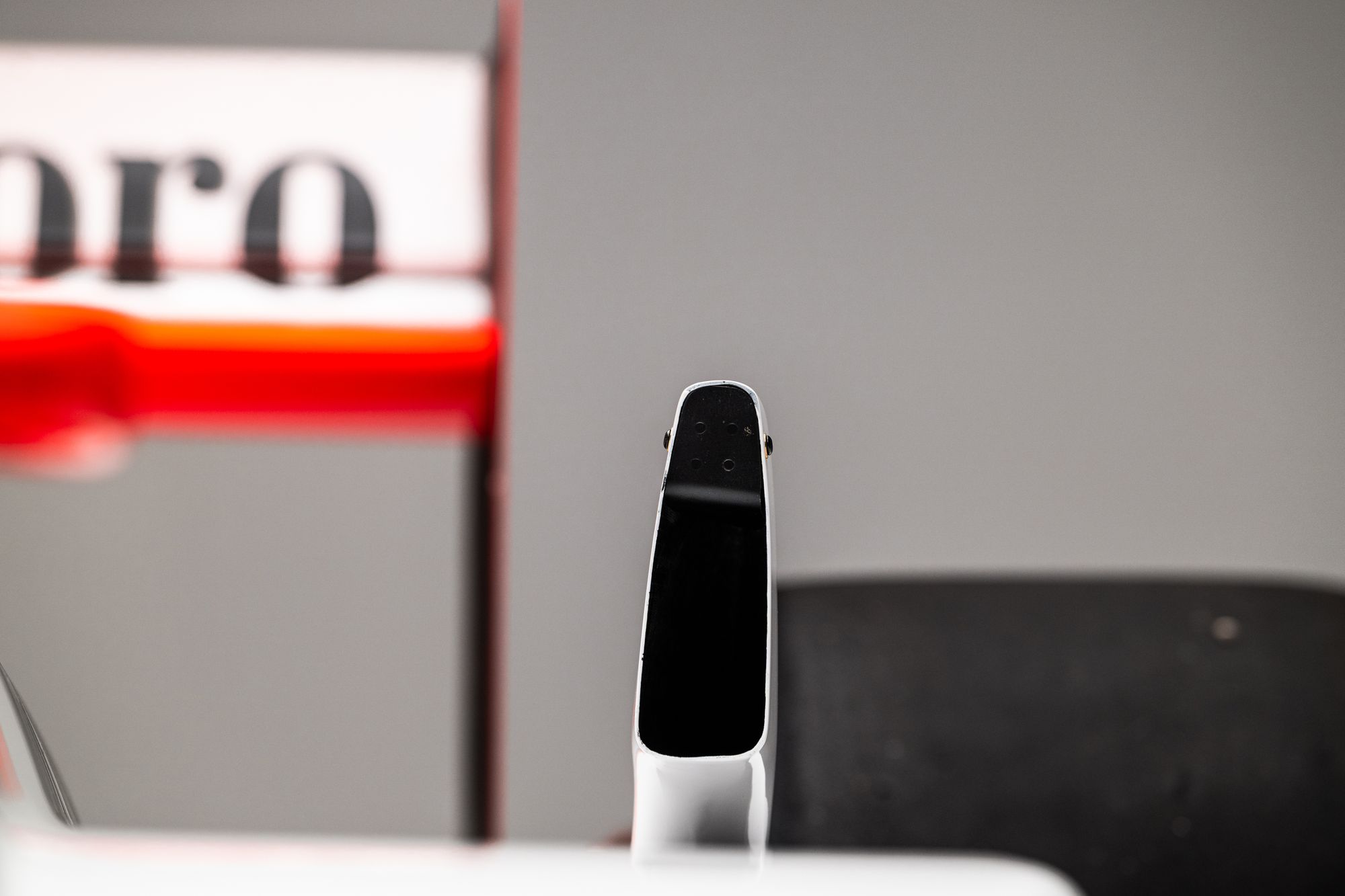
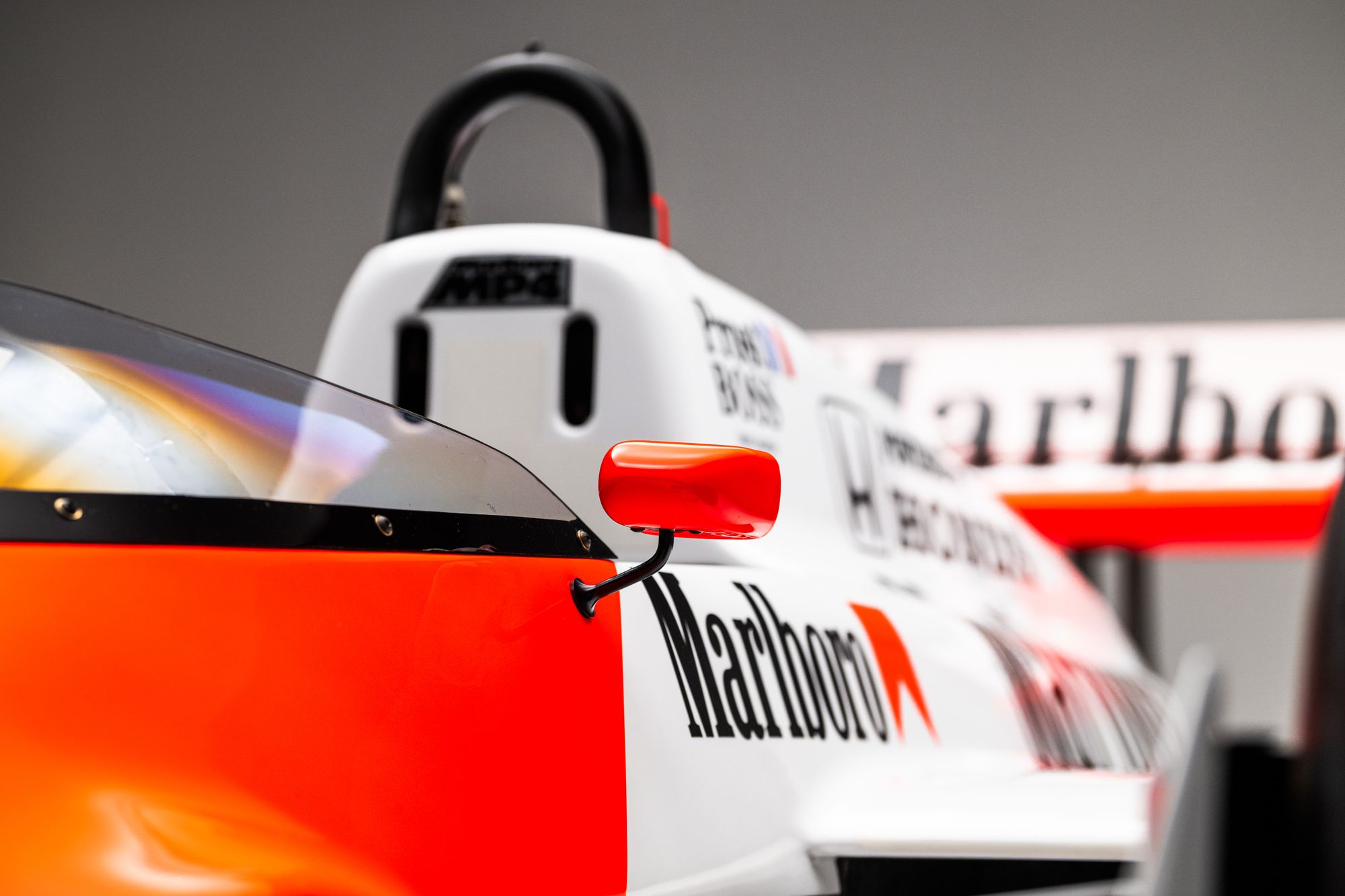
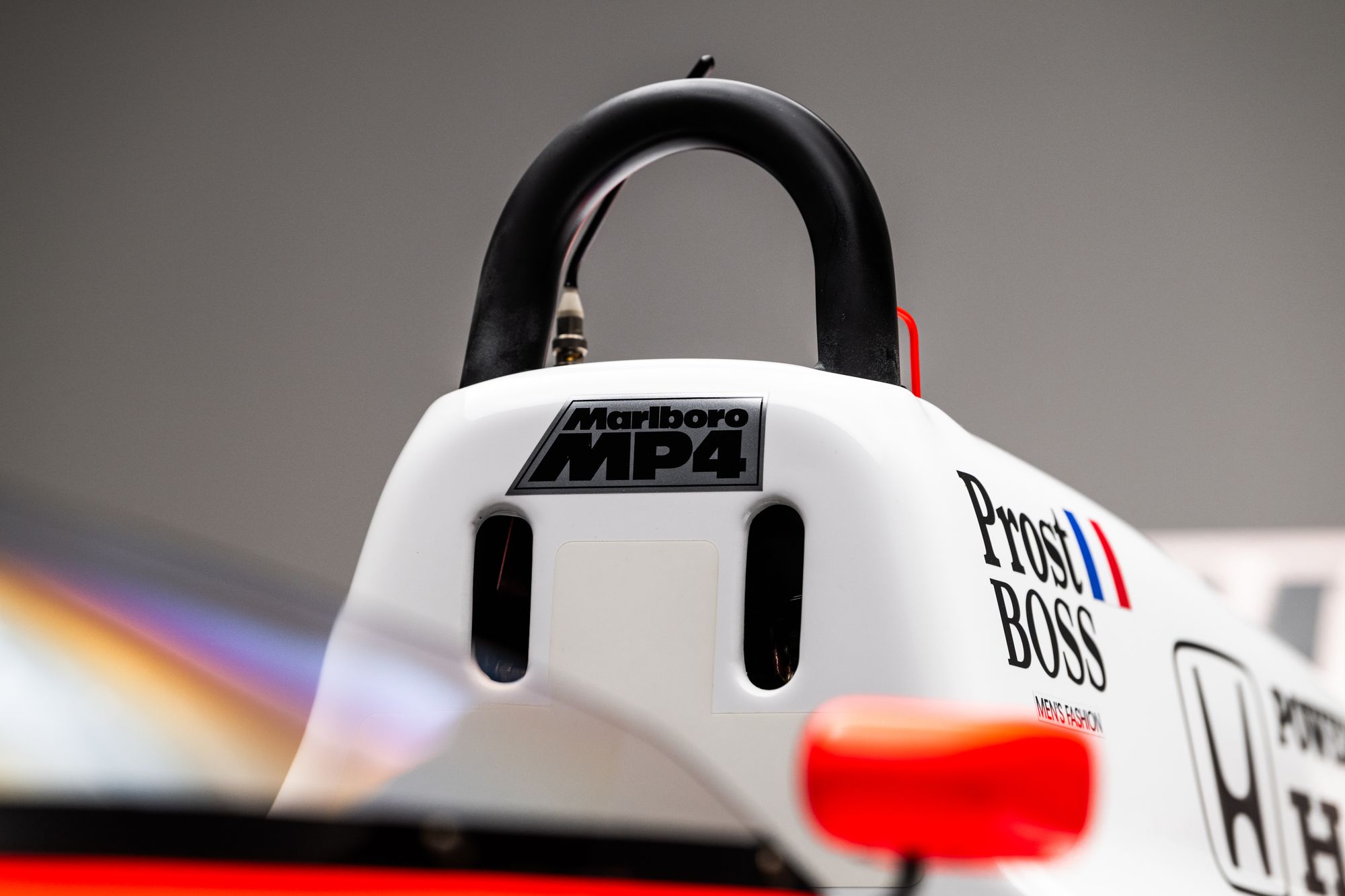
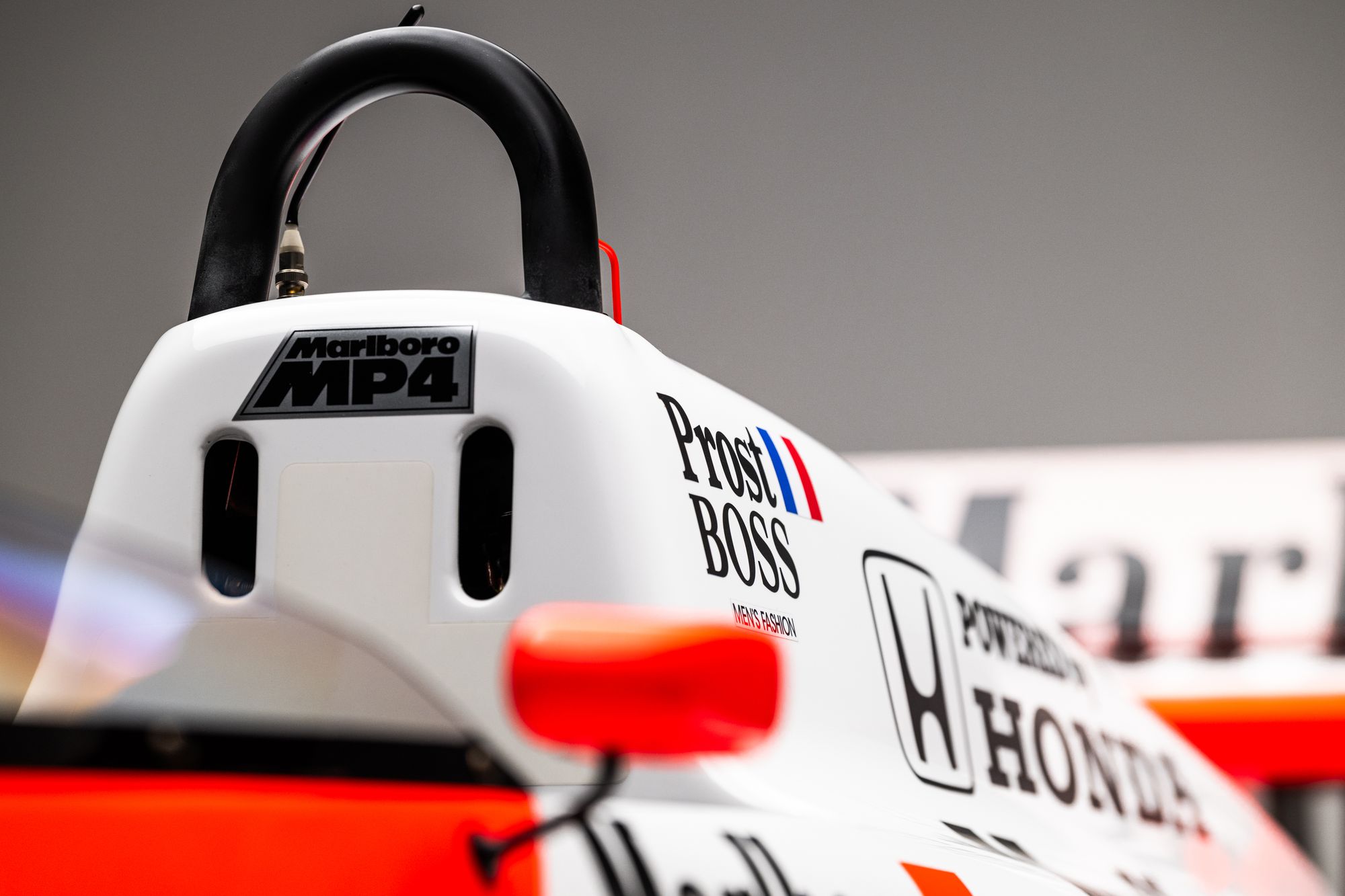
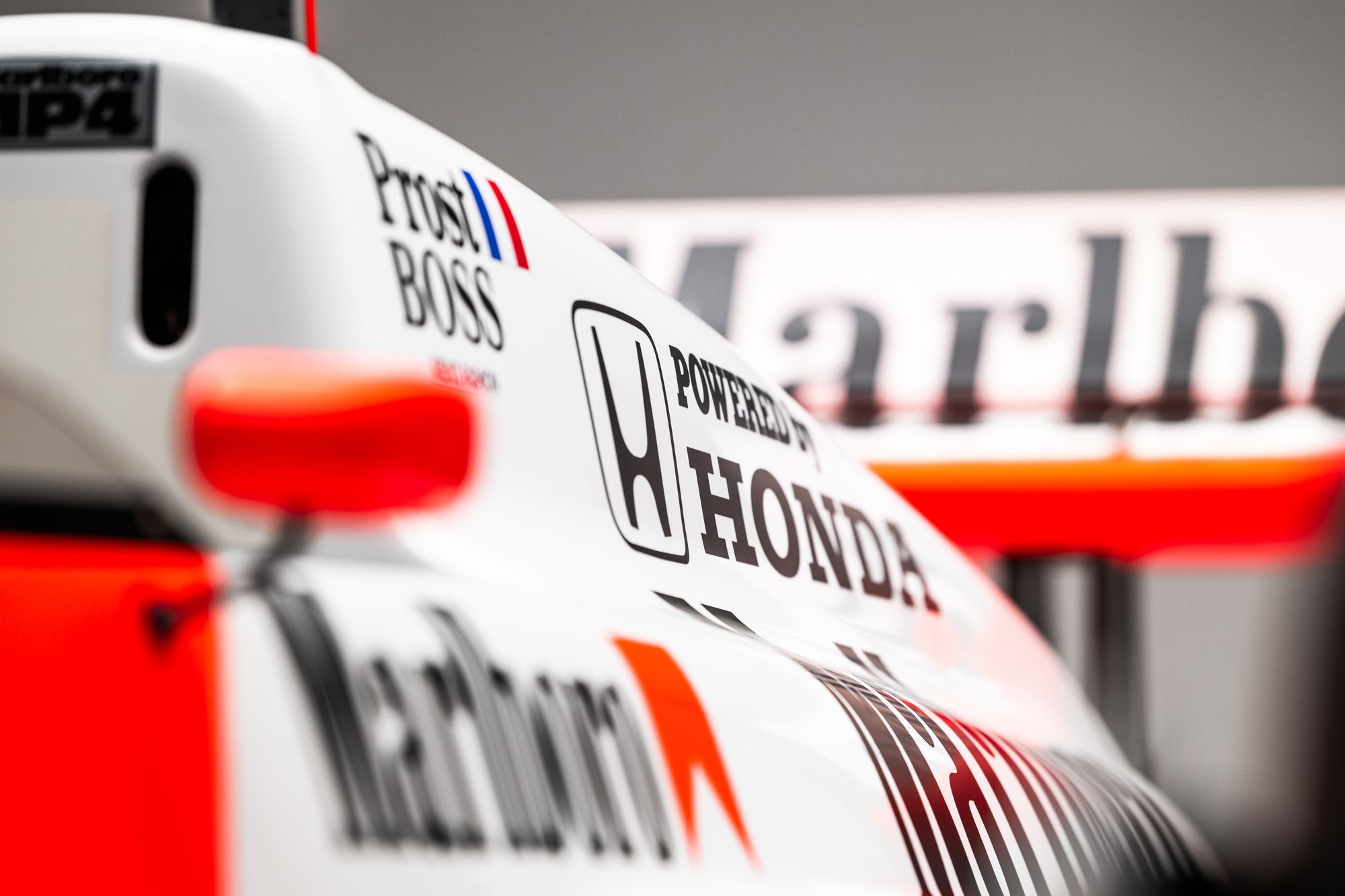
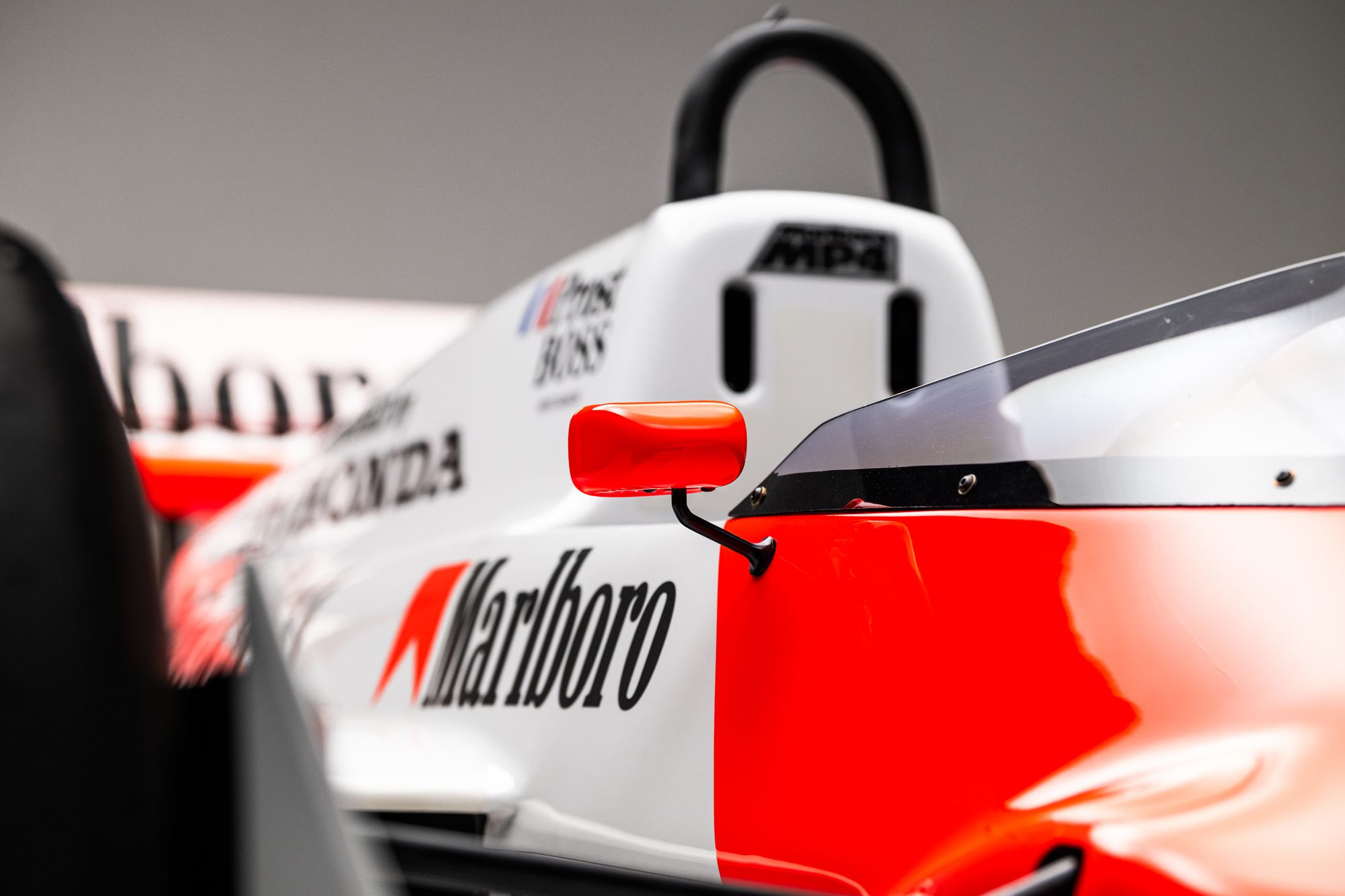
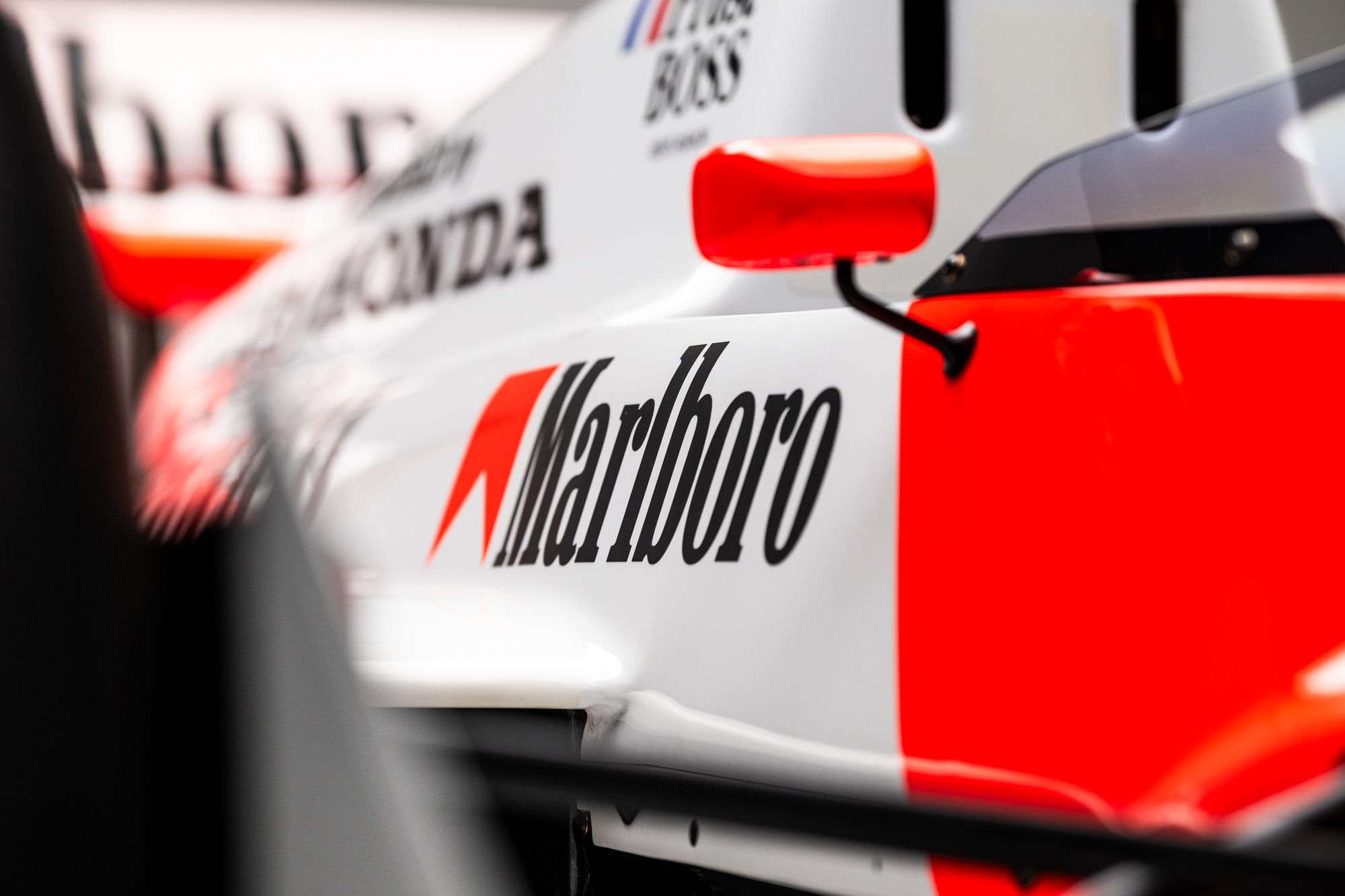
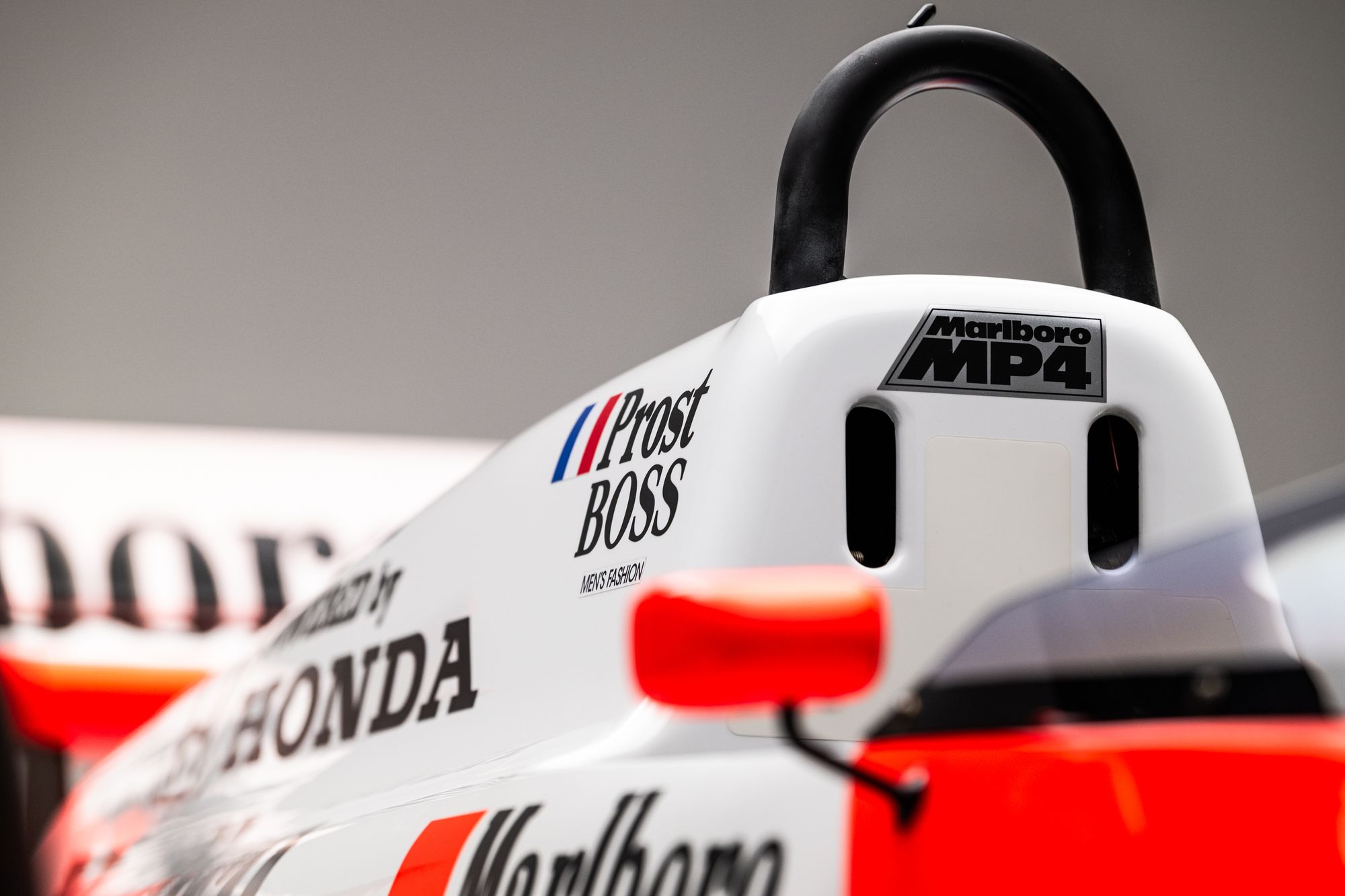
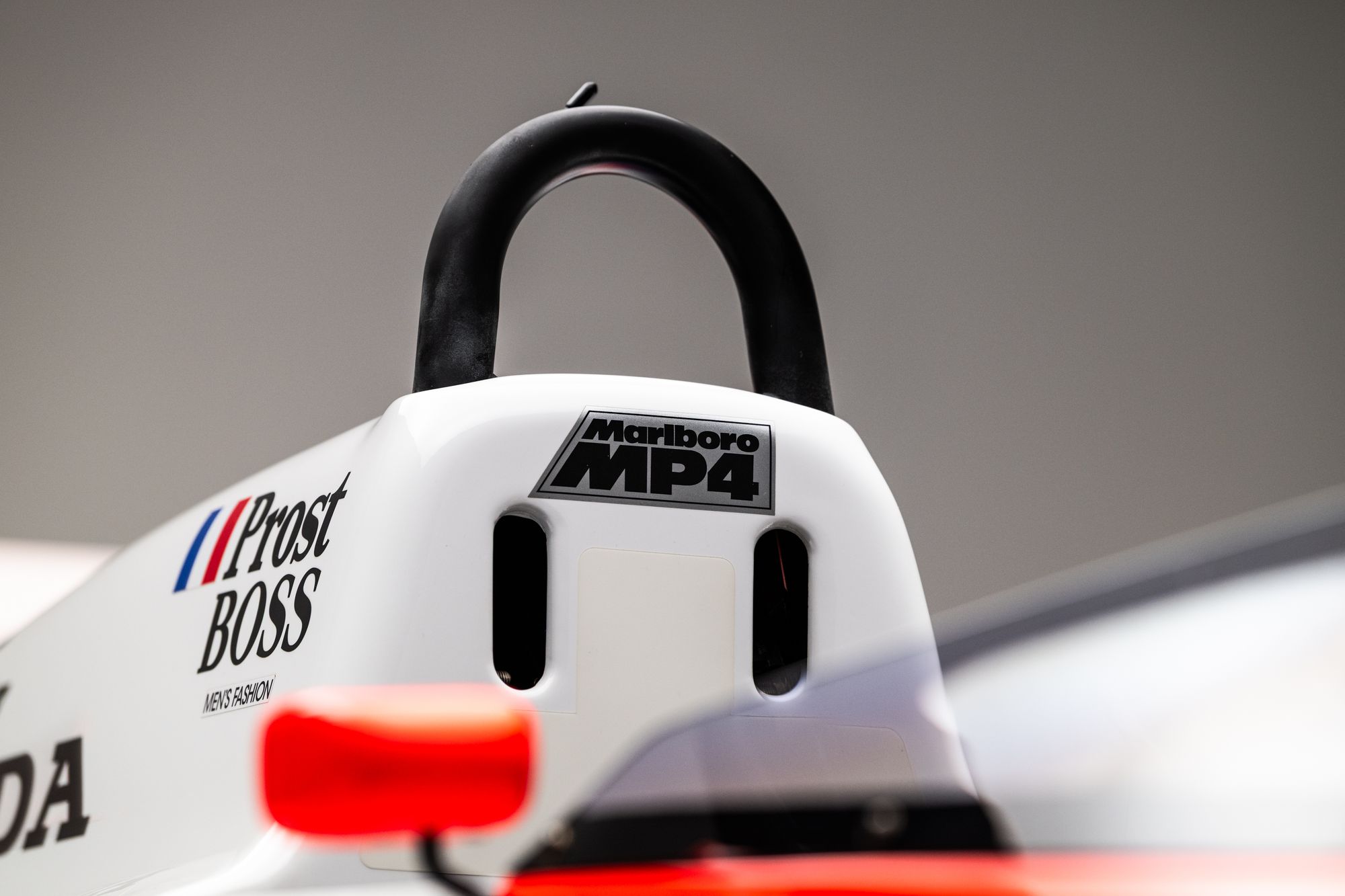
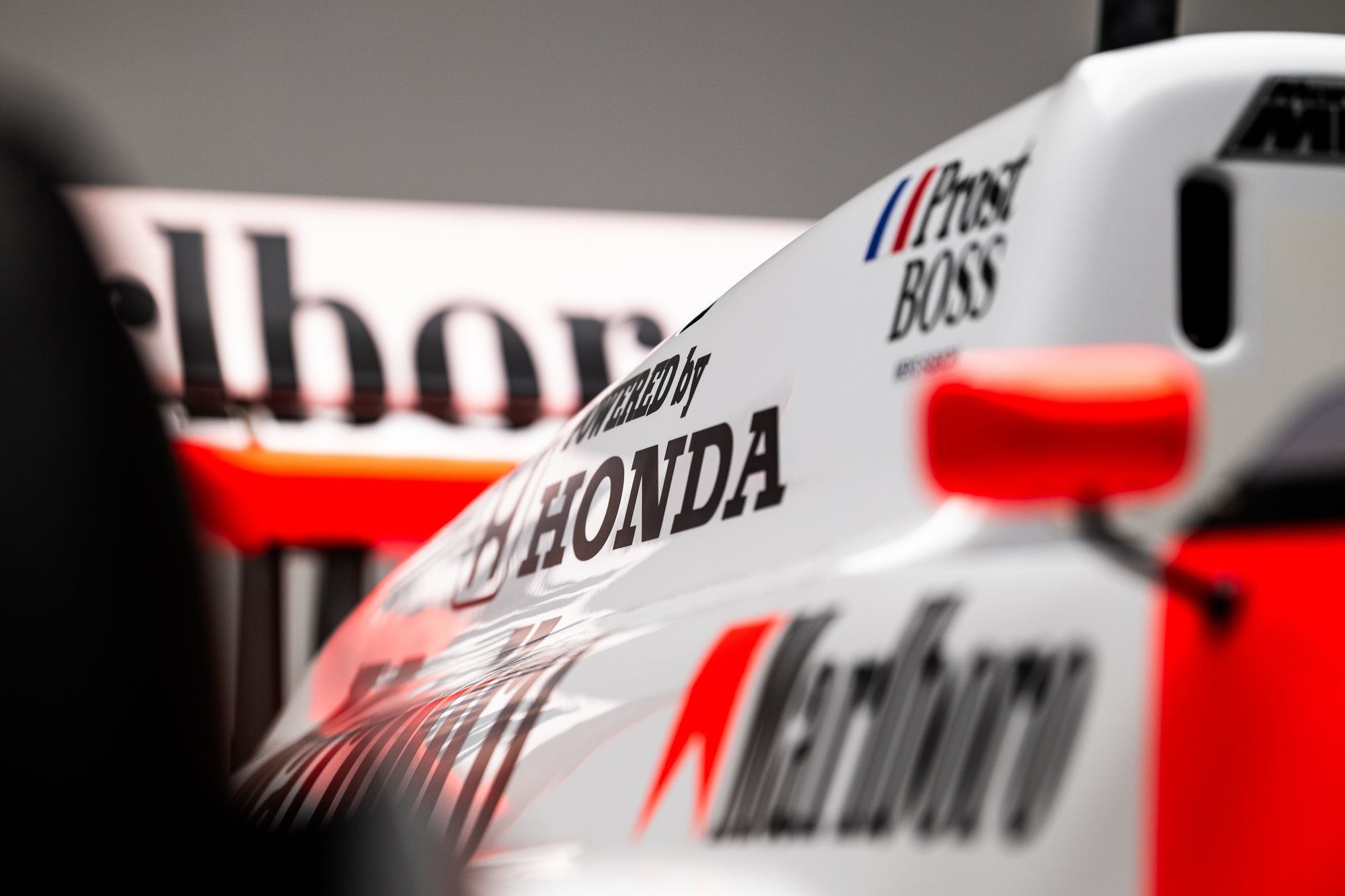
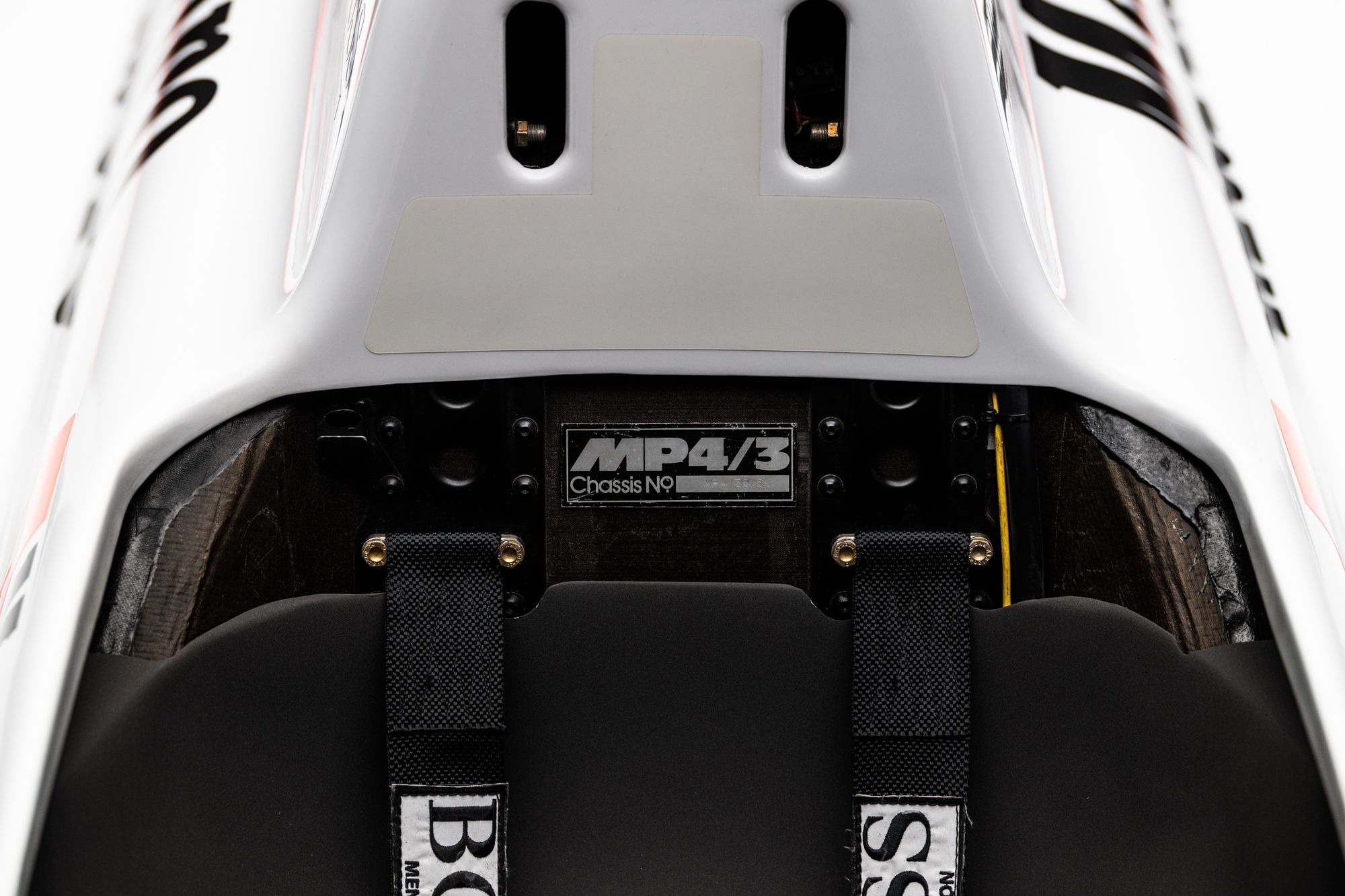
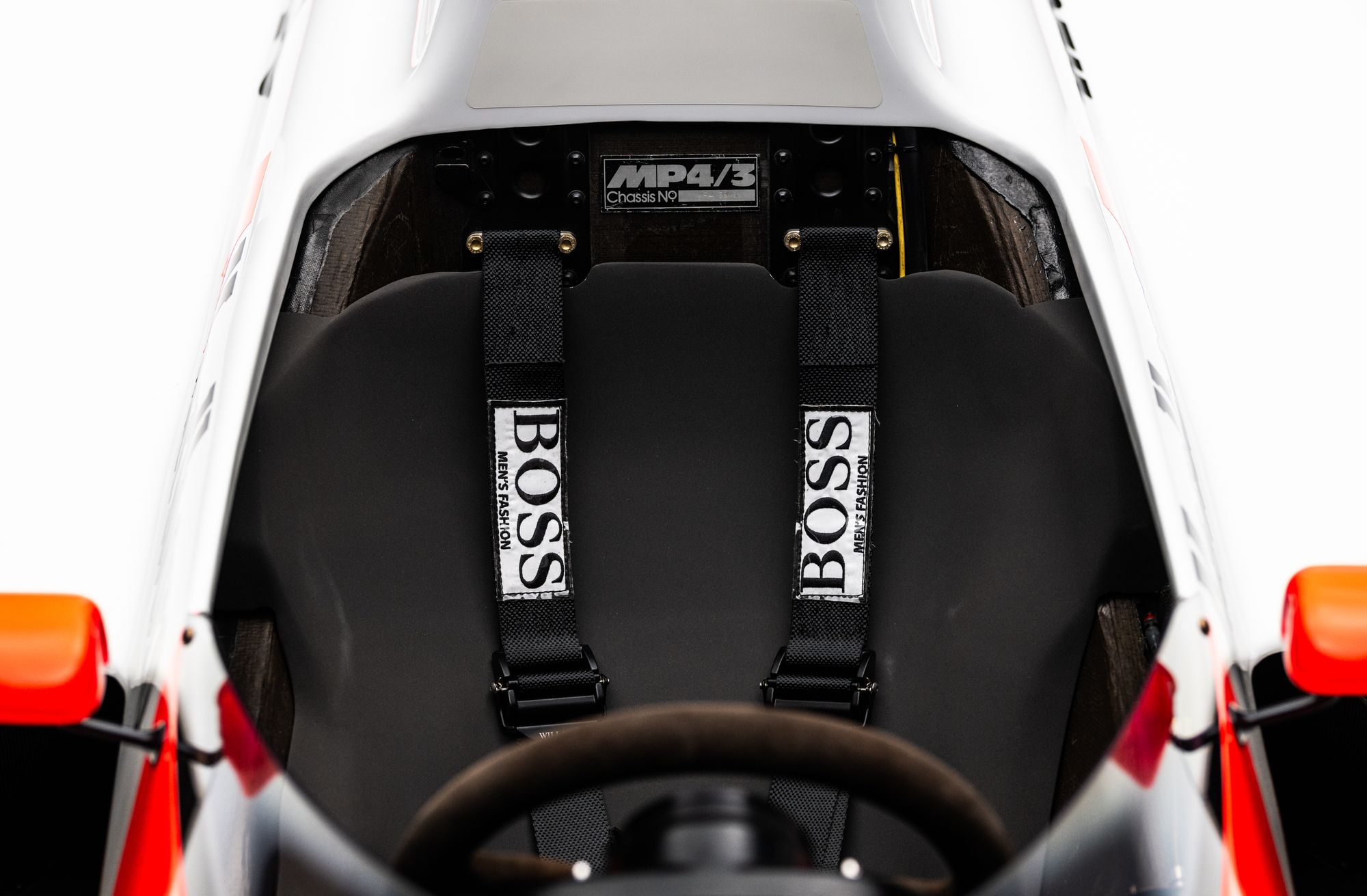
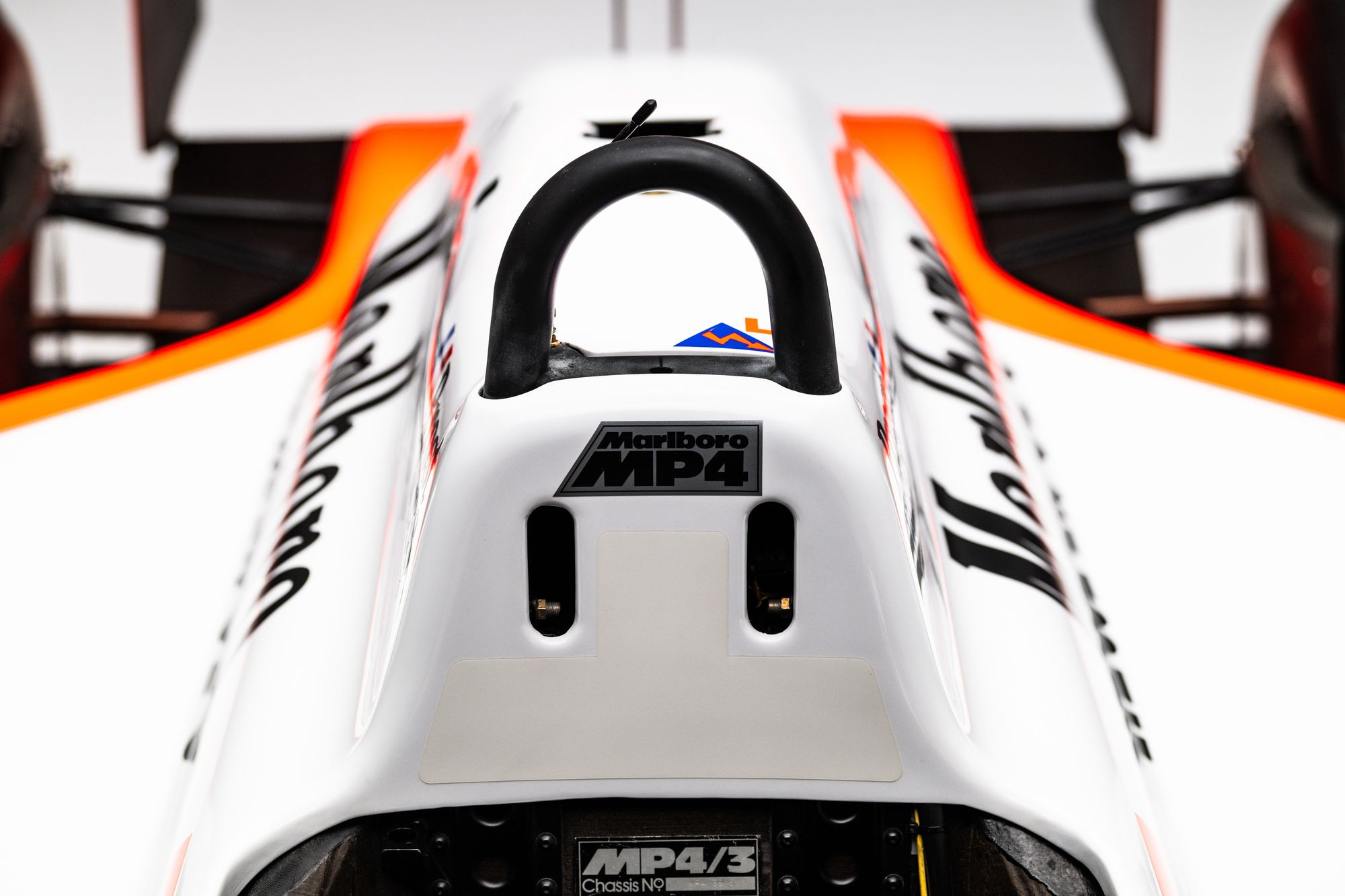
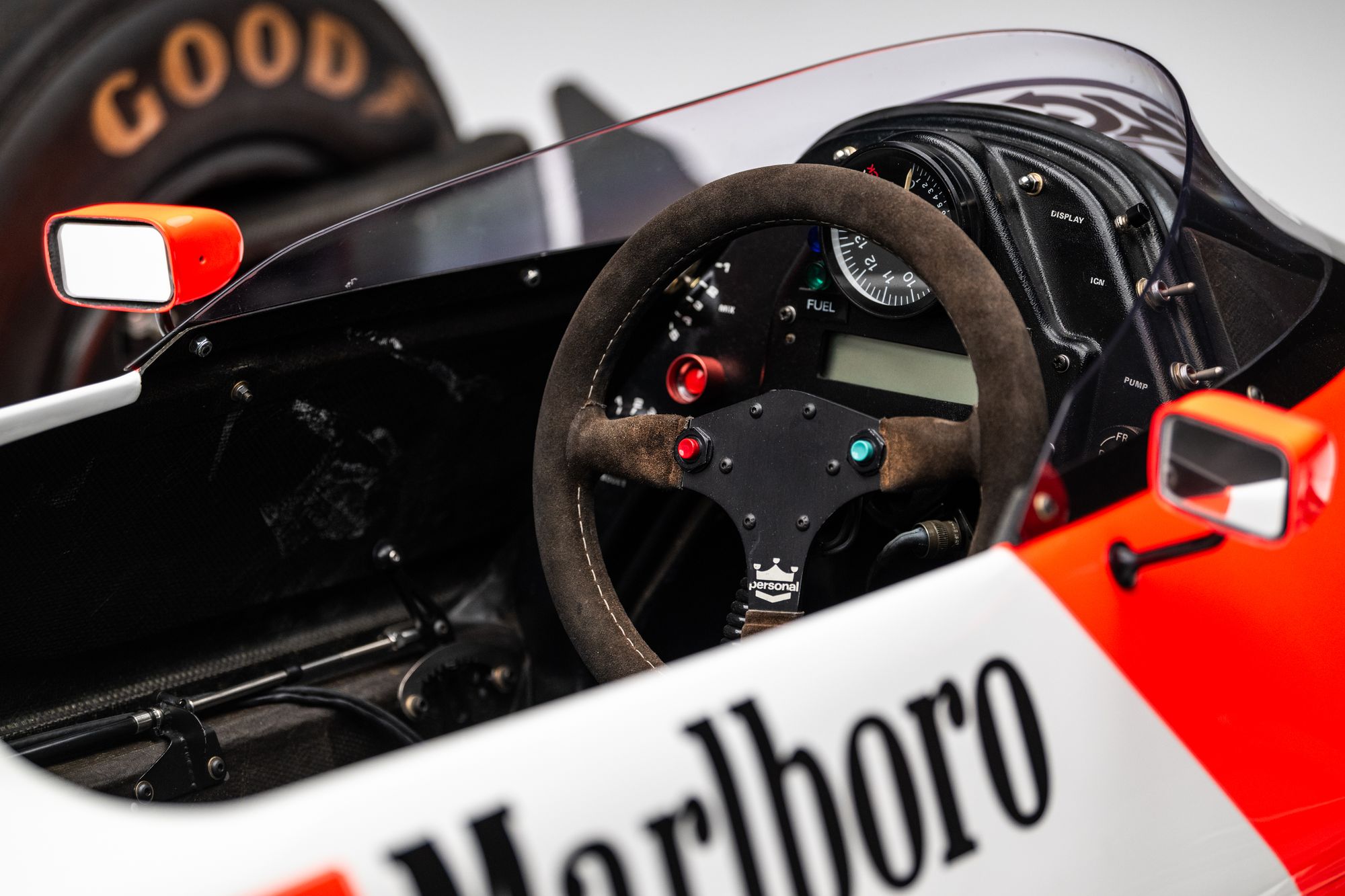
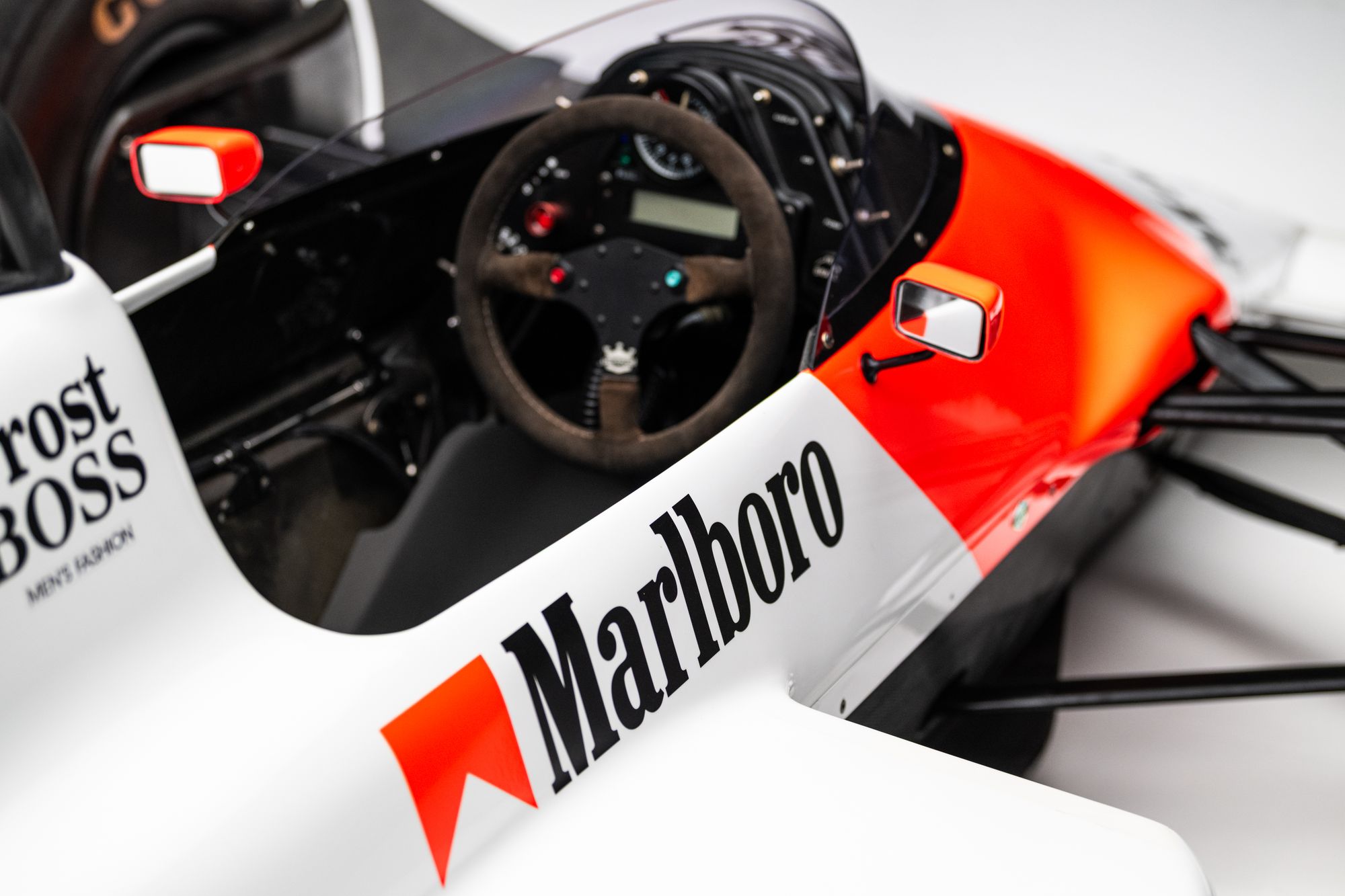
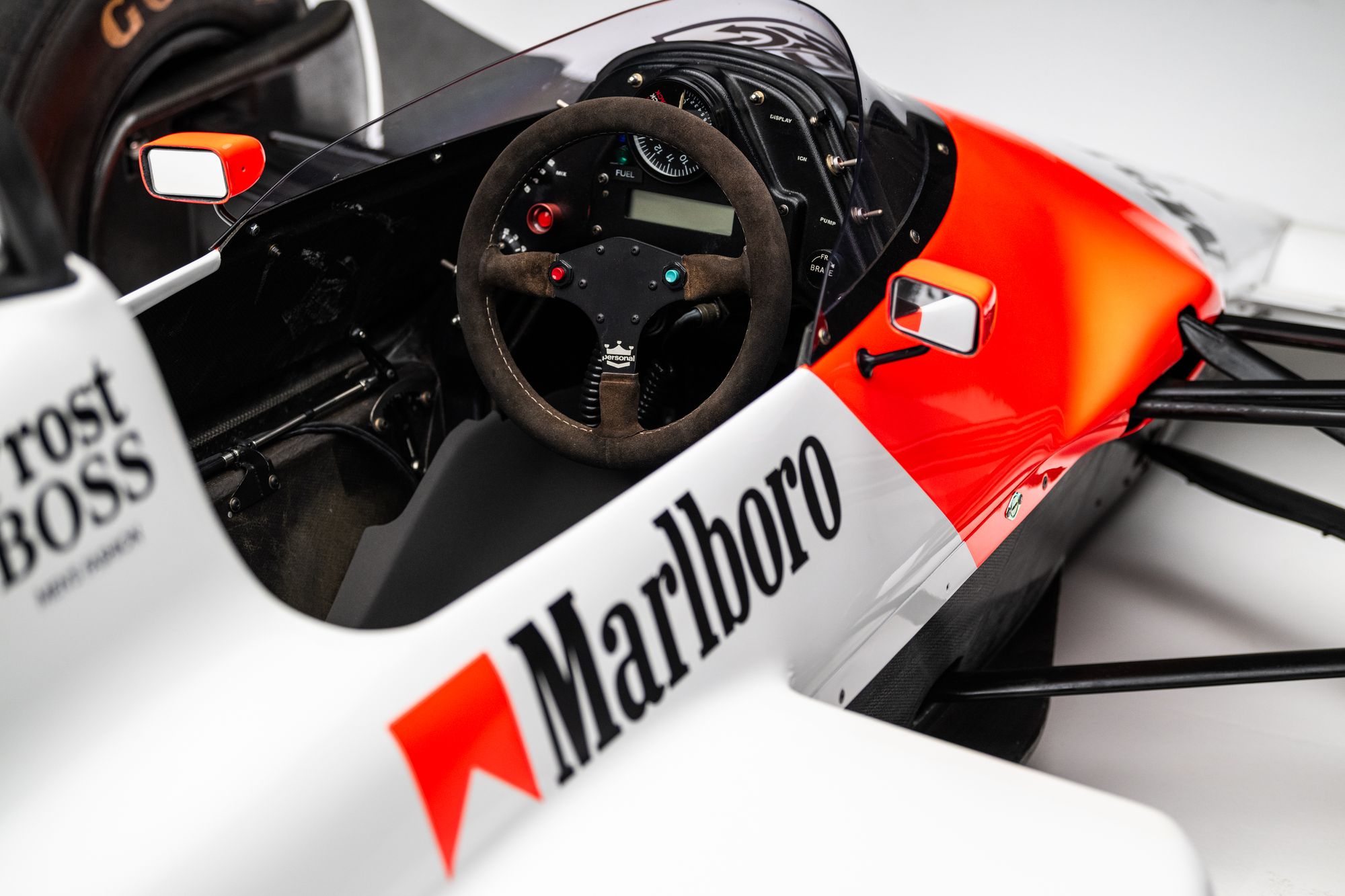
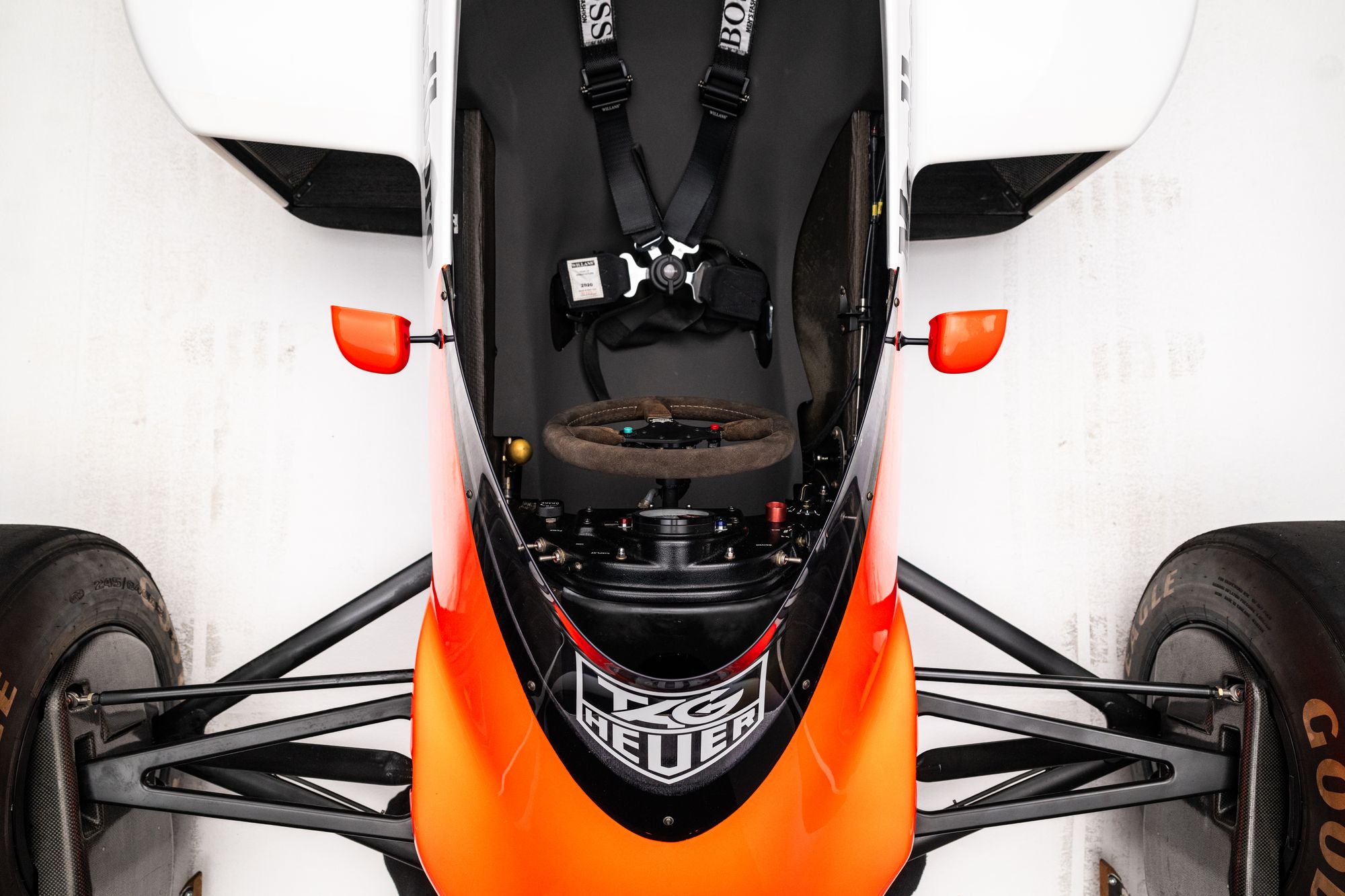
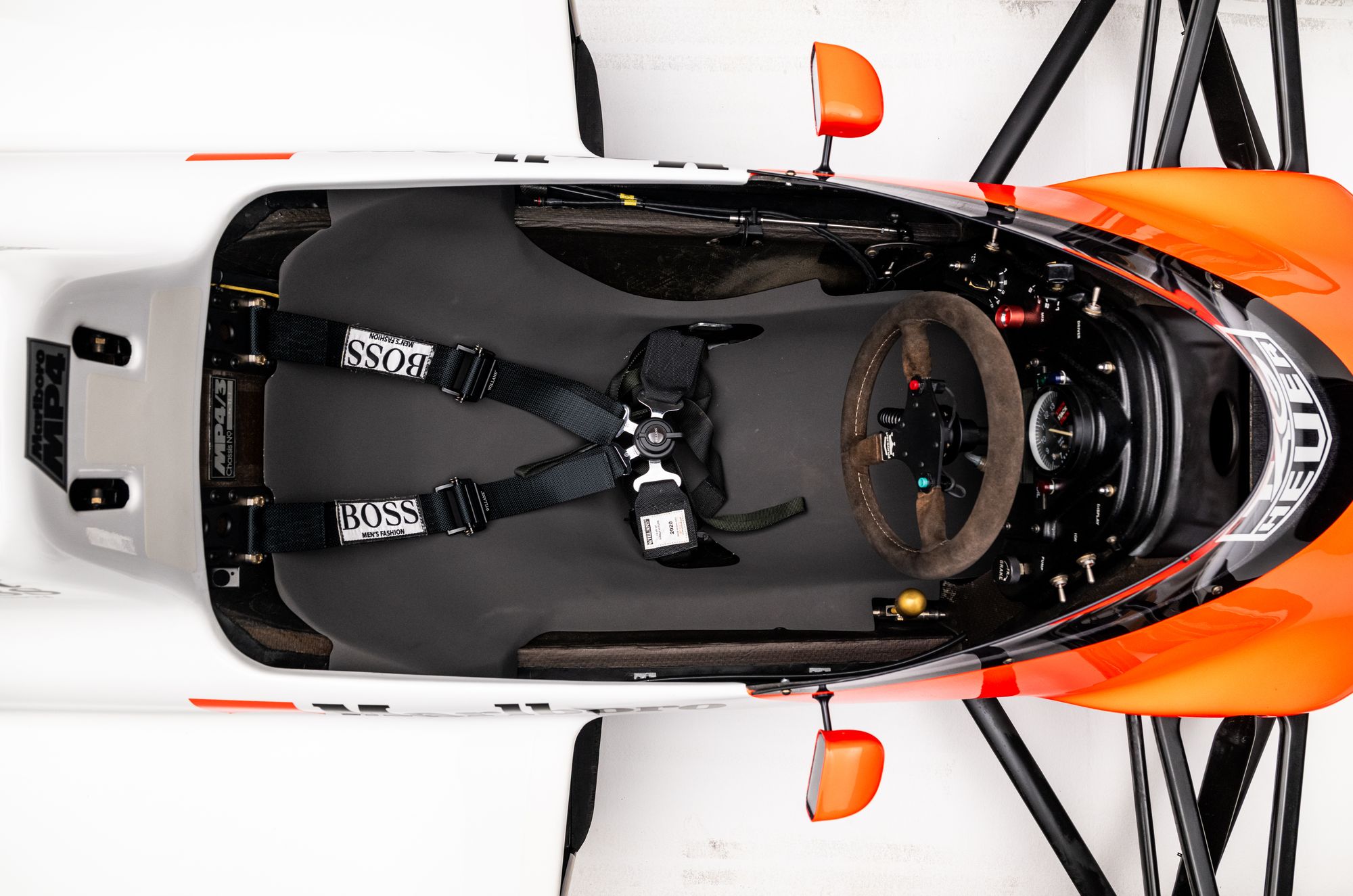
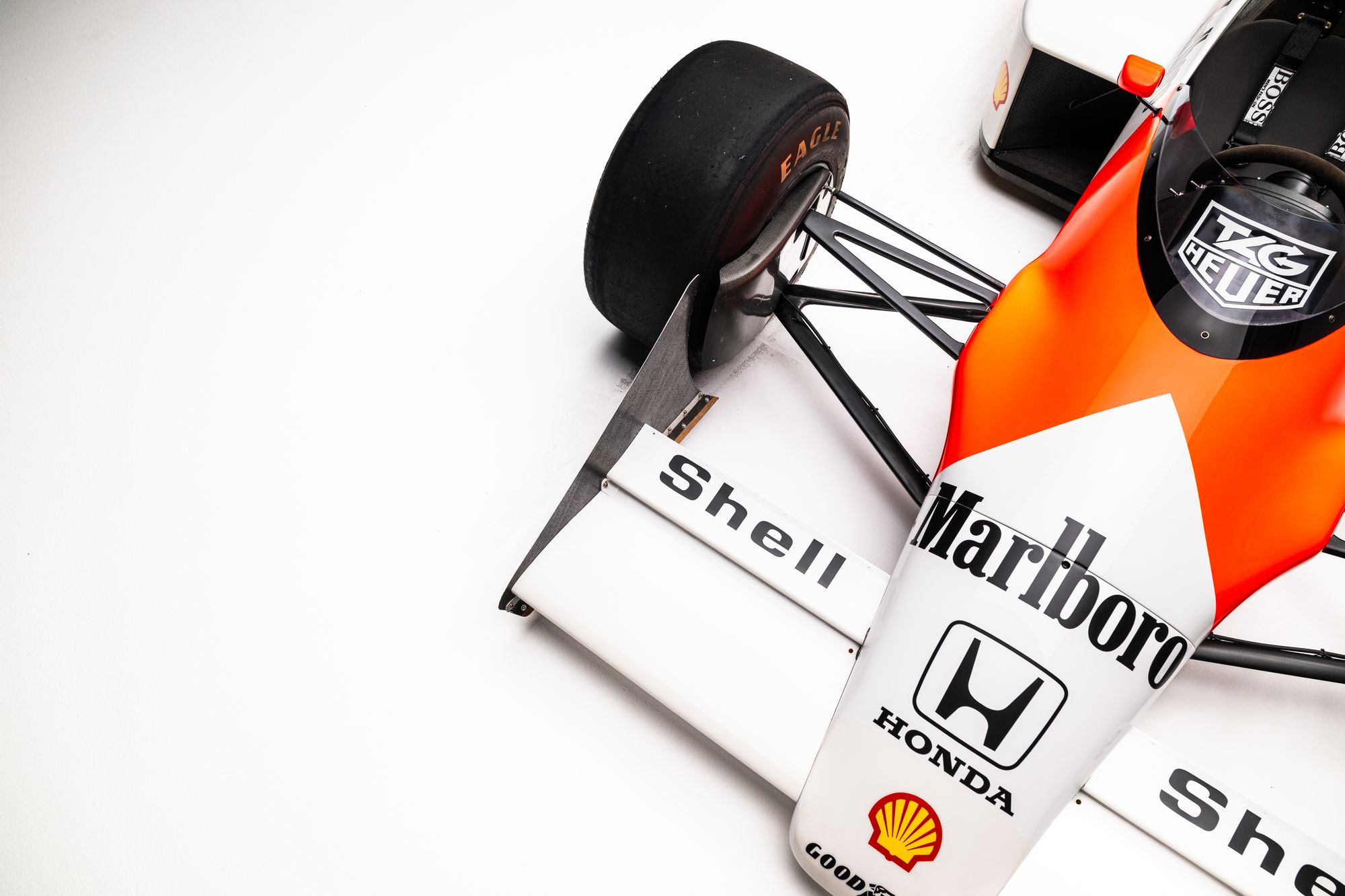
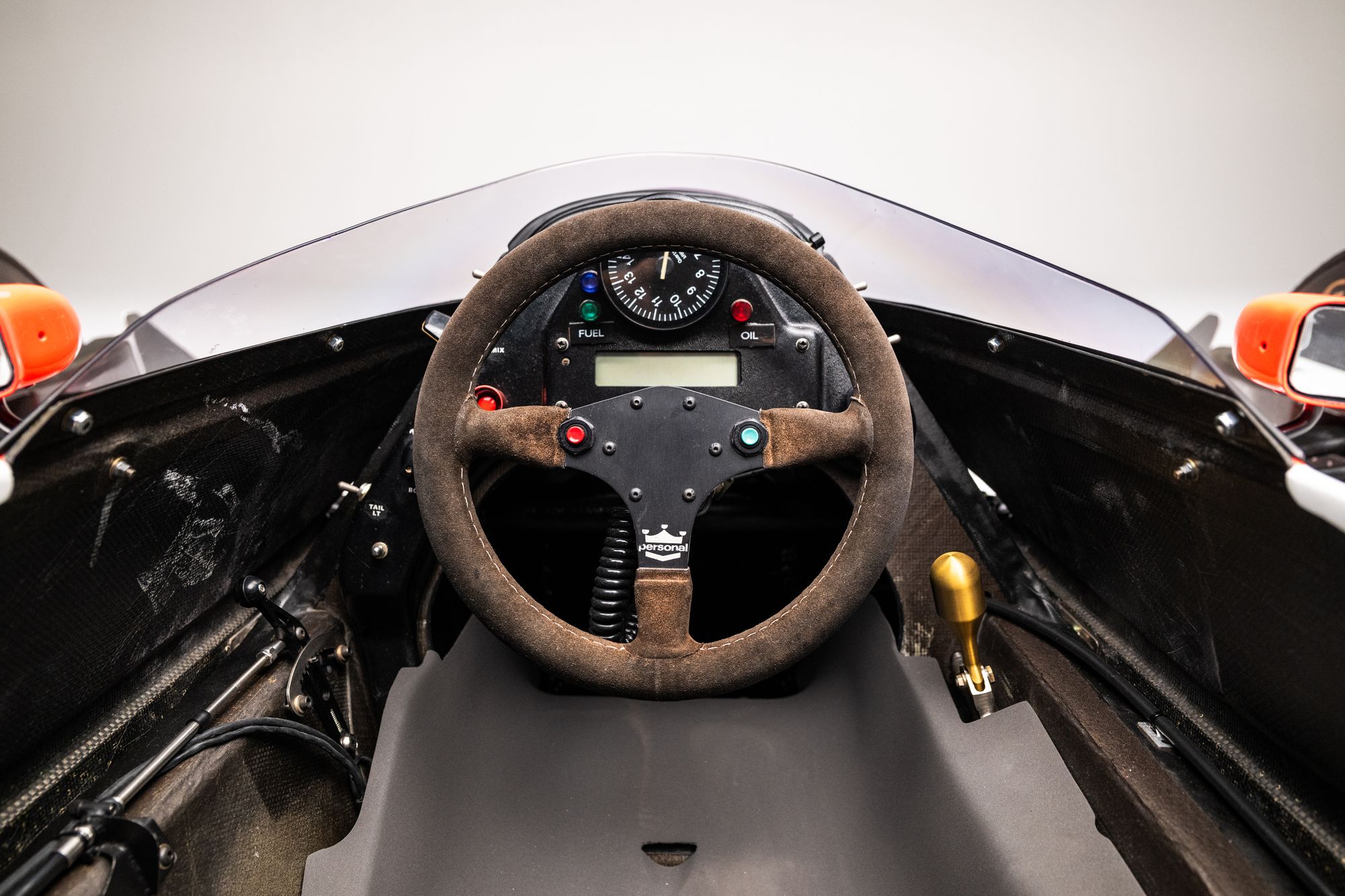
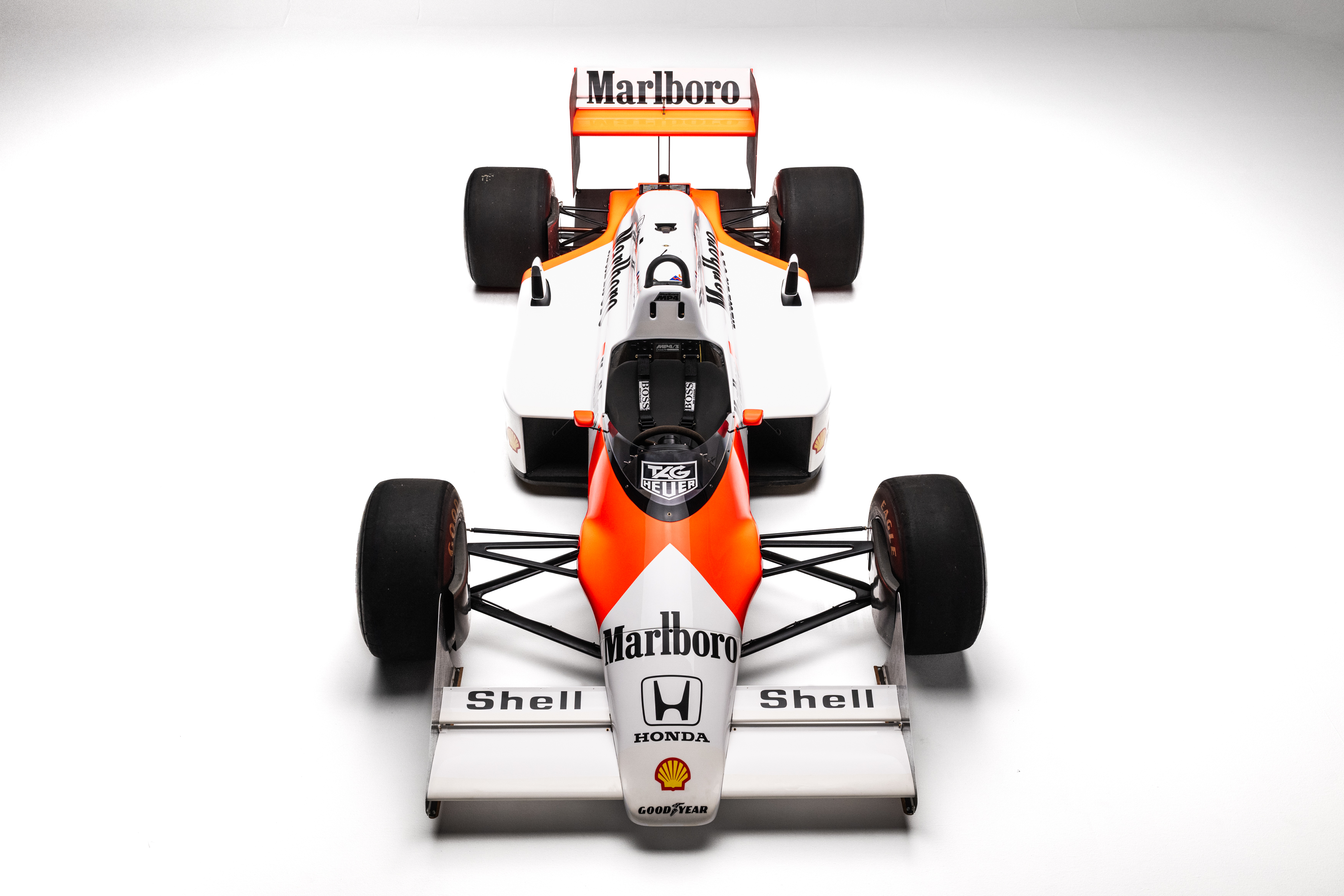
Mouse Motors is pleased to present a McLaren MP4‑3B-6, the Honda‑powered development chassis built in late 1987 as the bridge between McLaren’s TAG Turbo MP4/3 and the all‑new MP4/4 for the 1988 Formula One season. The MP4‑3B-6 is based on the 1987 MP4/3 carbon‑fibre monocoque and re‑engineered to accept Honda’s RA168E 1.5‑litre V6 turbo under the final‑year turbo regulations of 2.5‑bar boost and 150‑litre fuel limit.
Conceived purely as a test car and never raced, the MP4‑3B’s role was to validate packaging, cooling, fuel economy and drivability for Honda power ahead of 1988, directly underpinning the performance of the MP4/4. Contemporary records indicate that only two running MP4‑3B chassis were constructed alongside a single show car (SSC-7), making any surviving example an inherently scarce part of McLaren–Honda development history.
Provenance and Background
The MP4‑3B sits at a key inflection point in McLaren’s turbo era. After three title‑winning seasons with the TAG‑Porsche V6 and the MP4/2 family, McLaren entered 1987 with the new MP4/3, designed by Steve Nichols with Gordon Murray as Technical Director, for the final TAG‑powered season under a 4.0‑bar pop‑off and 195‑litre fuel cap. As the TAG Turbo reached the end of its development curve, McLaren’s leadership—backed by Mansour Ojjeh—secured a works‑level partnership with Honda for 1988 and beyond.
Announced at the 1987 Italian Grand Prix at Monza, the Honda deal and Ayrton Senna’s arrival for 1988 required a rapid, low‑risk way to integrate the new RA168E V6 turbo ahead of the final turbo season. The MP4‑3B was the answer: a “B‑spec” adaptation of the MP4/3 carbon‑fibre/aluminium‑honeycomb monocoque with a revised rear end, new gearbox and oil‑tank installation, and altered cooling layouts to suit Honda’s different ancillaries and heat‑exchanger placement.
Period documentation states that two MP4‑3B chassis were built: one converted from a 1987 race car and one assembled around an unused monocoque (MP4-3B-6), allowing more flexibility during build. The program included a first shakedown at Silverstone with Alain Prost, extensive winter mileage at Suzuka with Emanuele Pirro for fuel‑economy and drivability work, and pre‑season running at Jacarepaguá with Senna and Prost before the MP4/4 was ready. By the time the MP4/4 turned a wheel—only on the final day of the last pre‑season test at Imola—Honda had validated fuel‑use and installation data on the MP4‑3B, contributing directly to McLaren’s readiness for the 1988 opener in Brazil.
Condition and Presentation
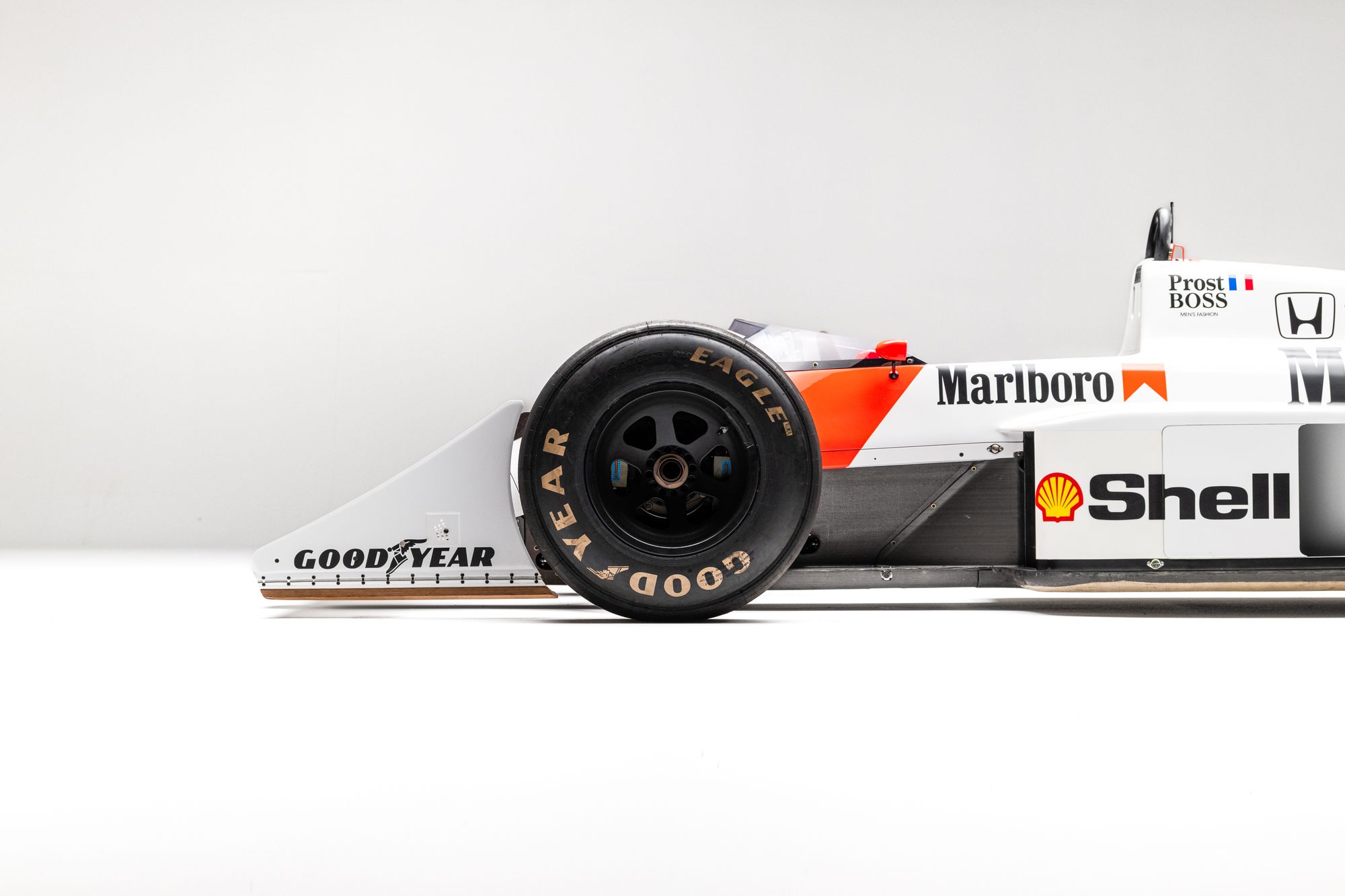
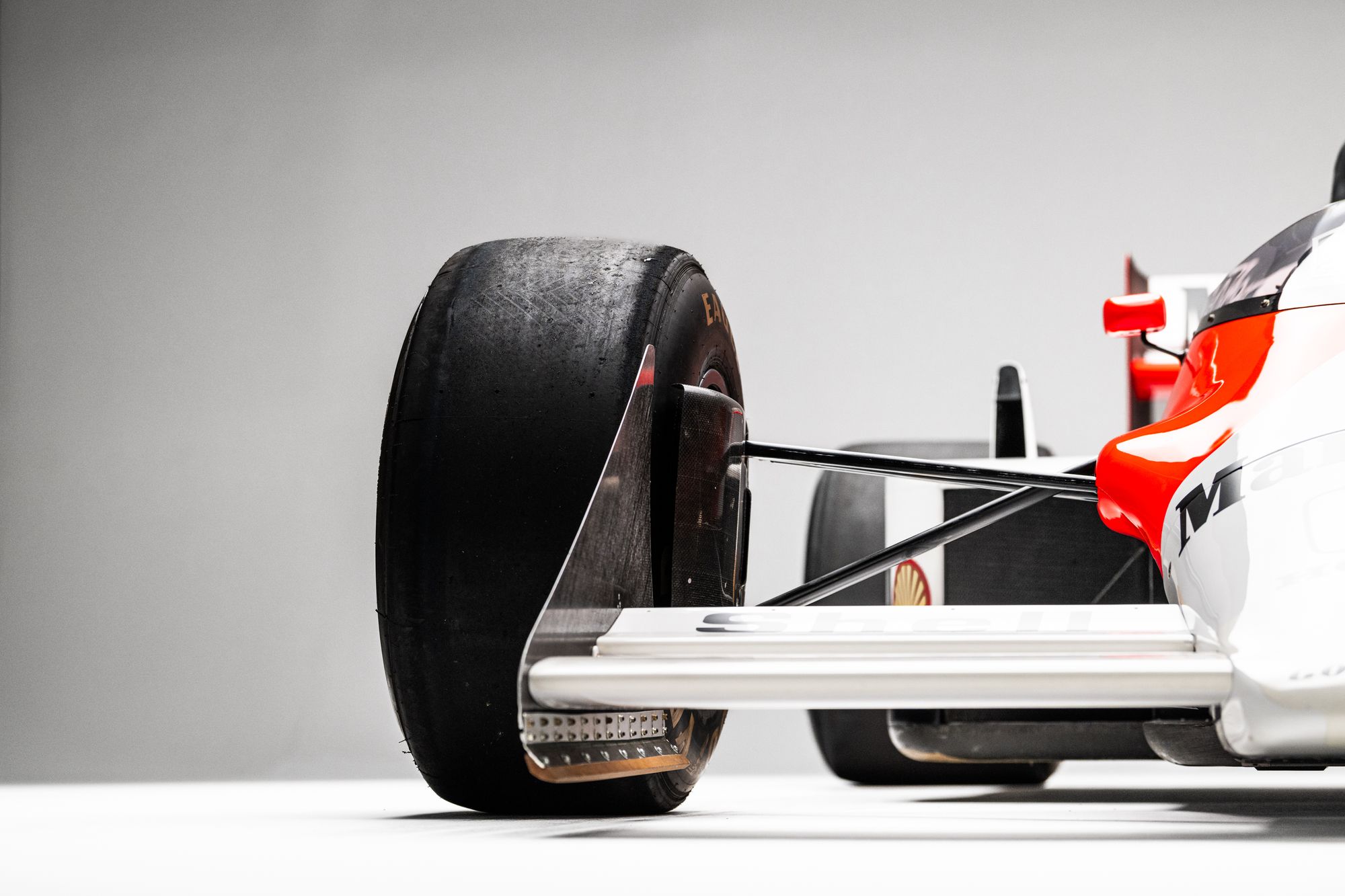
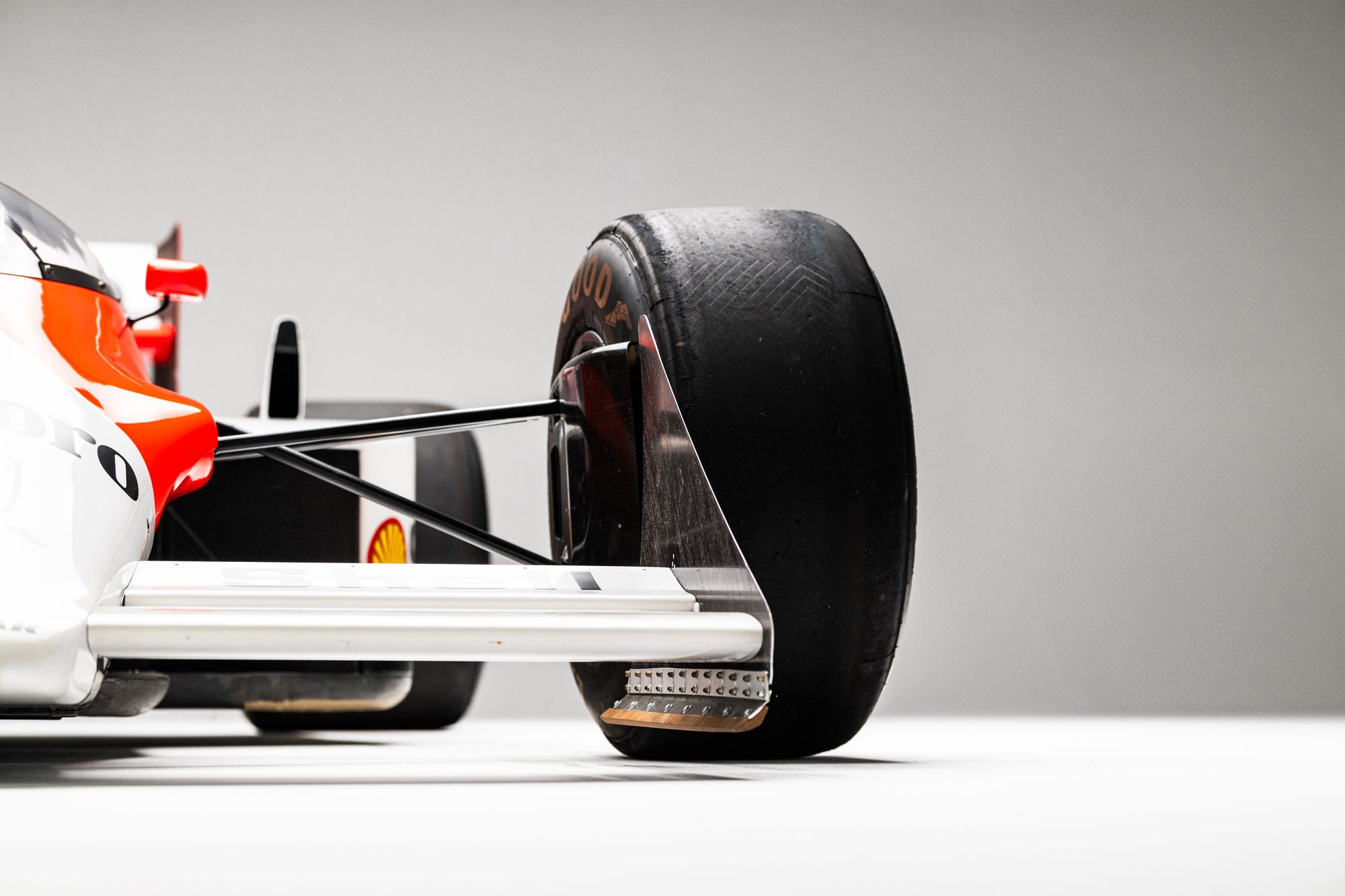
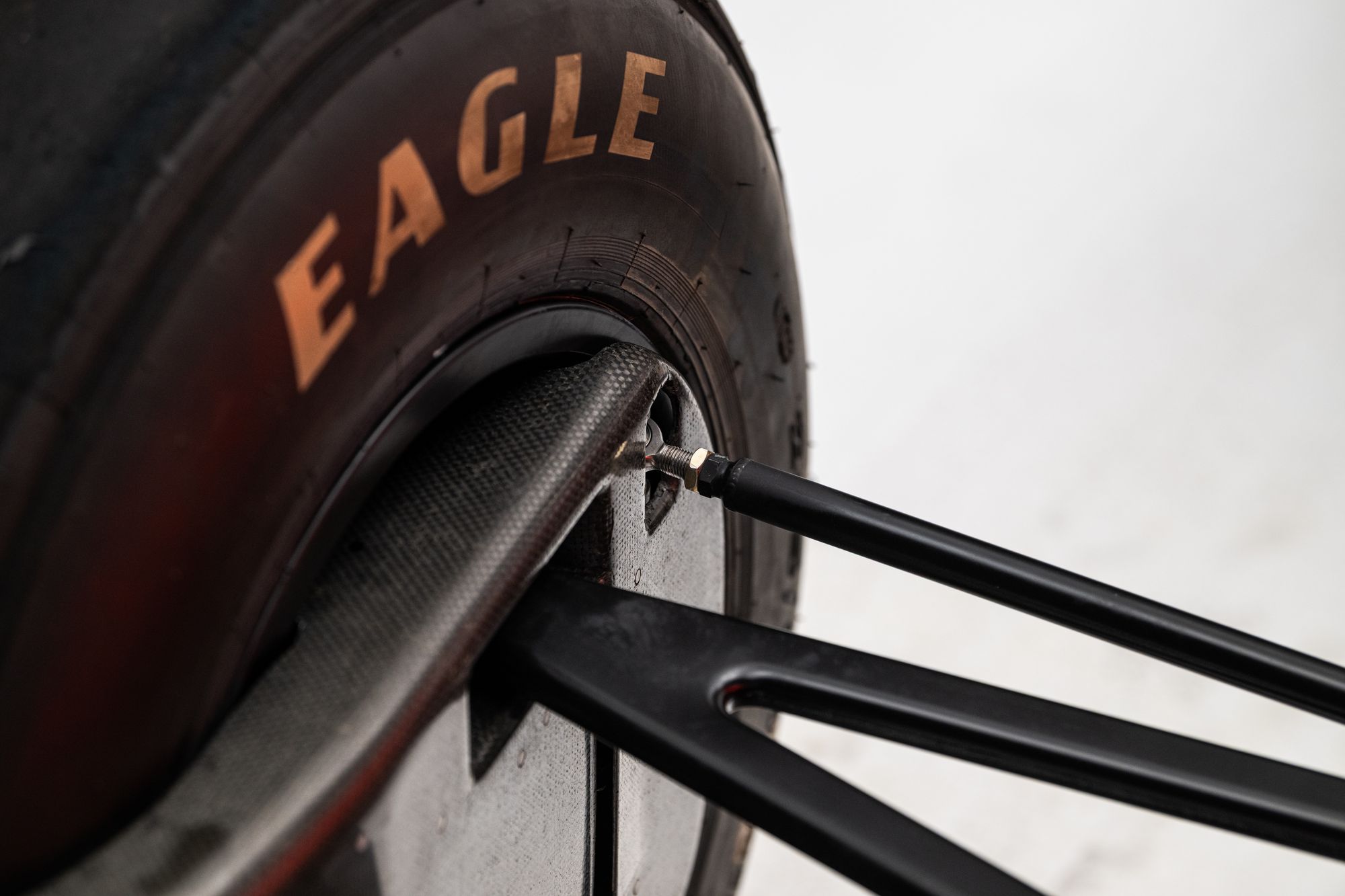
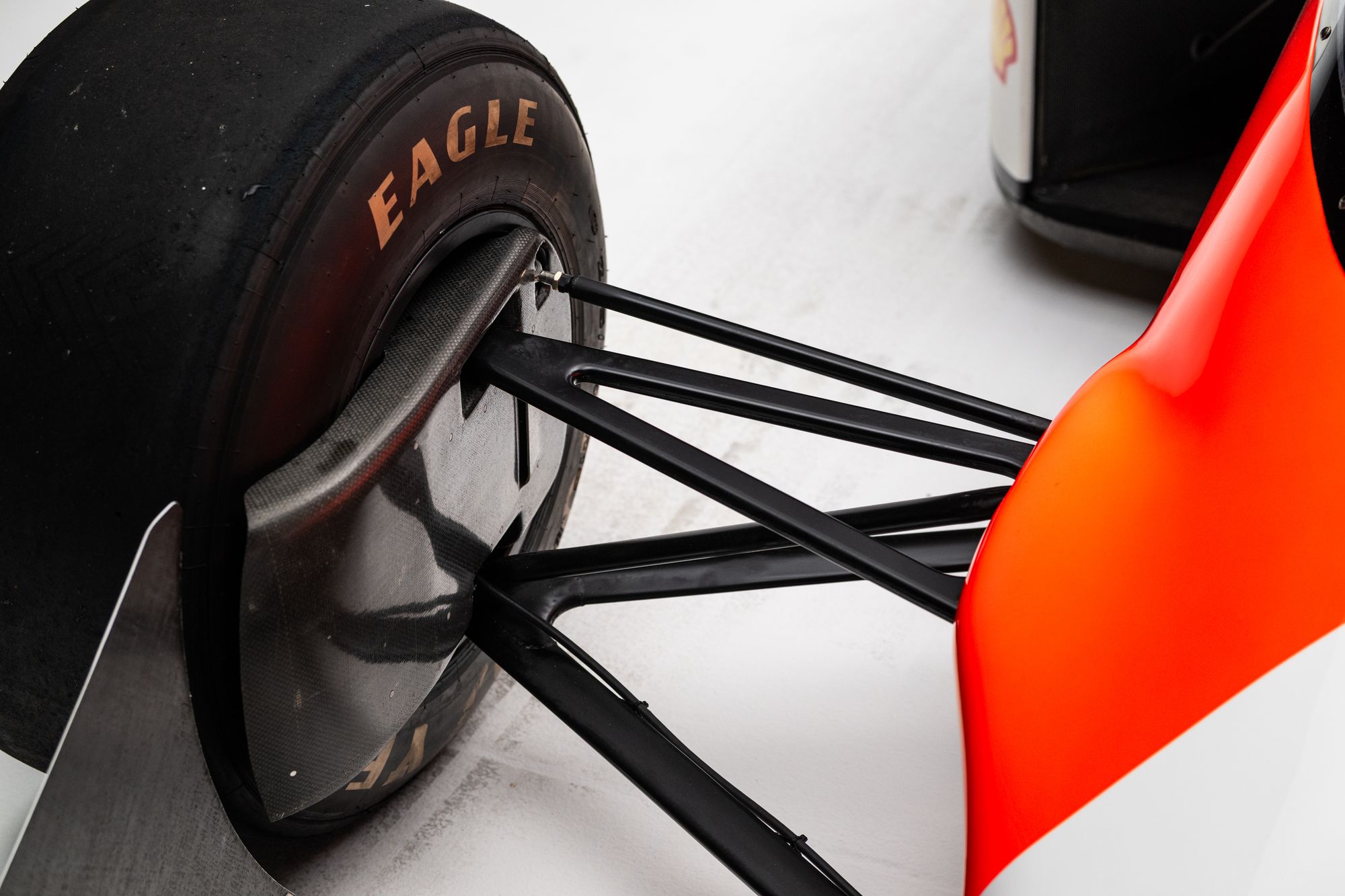
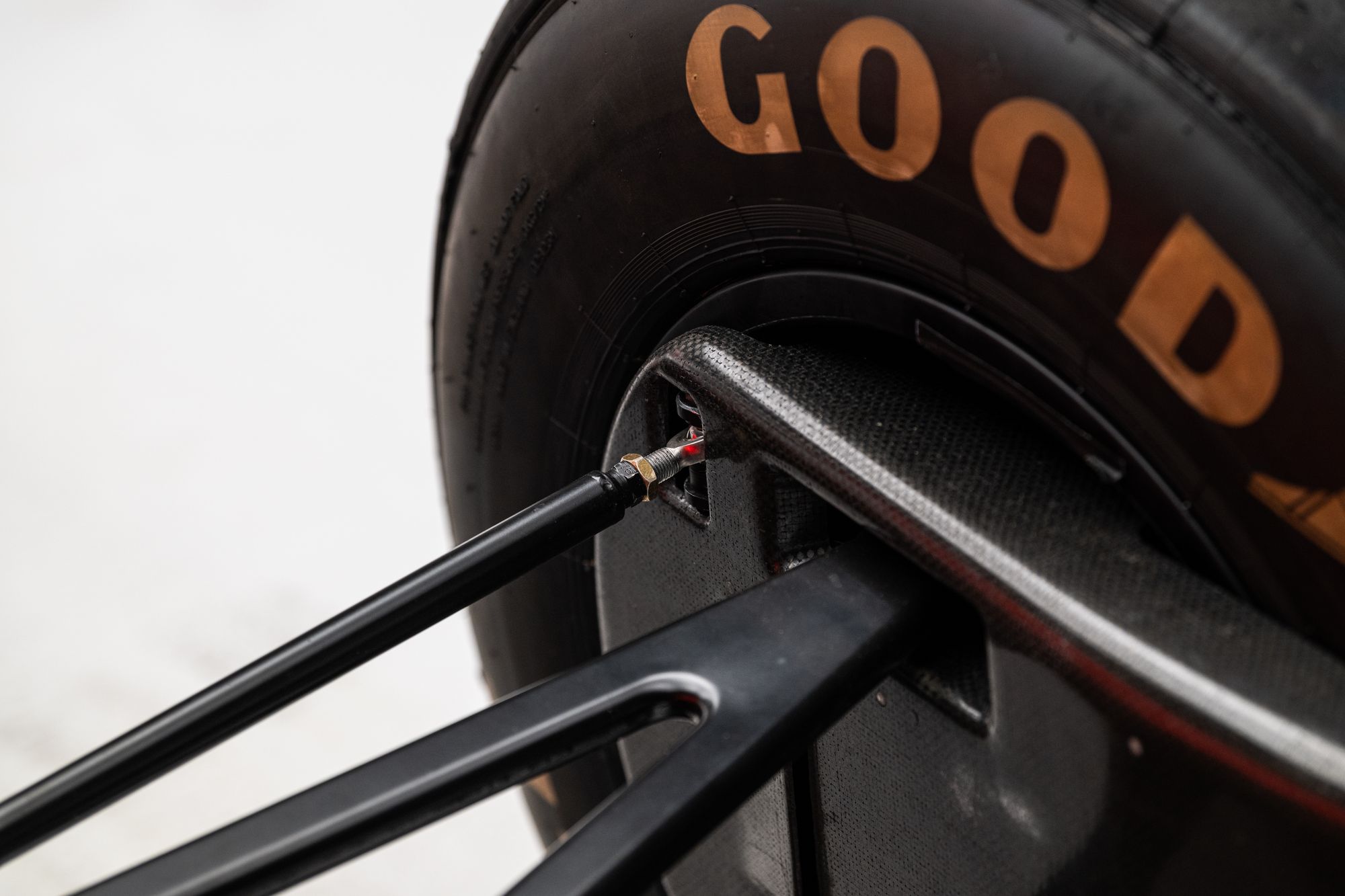
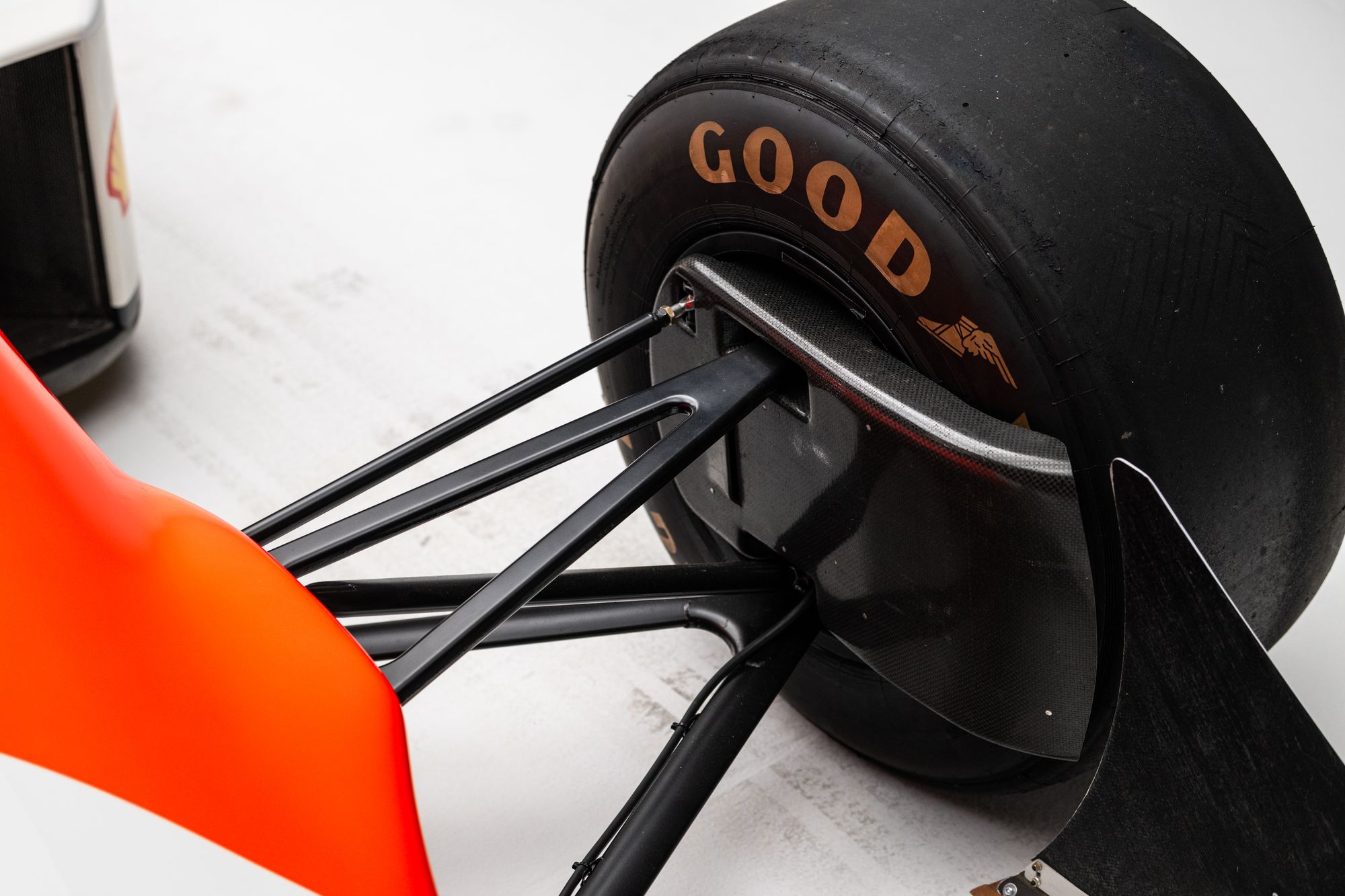
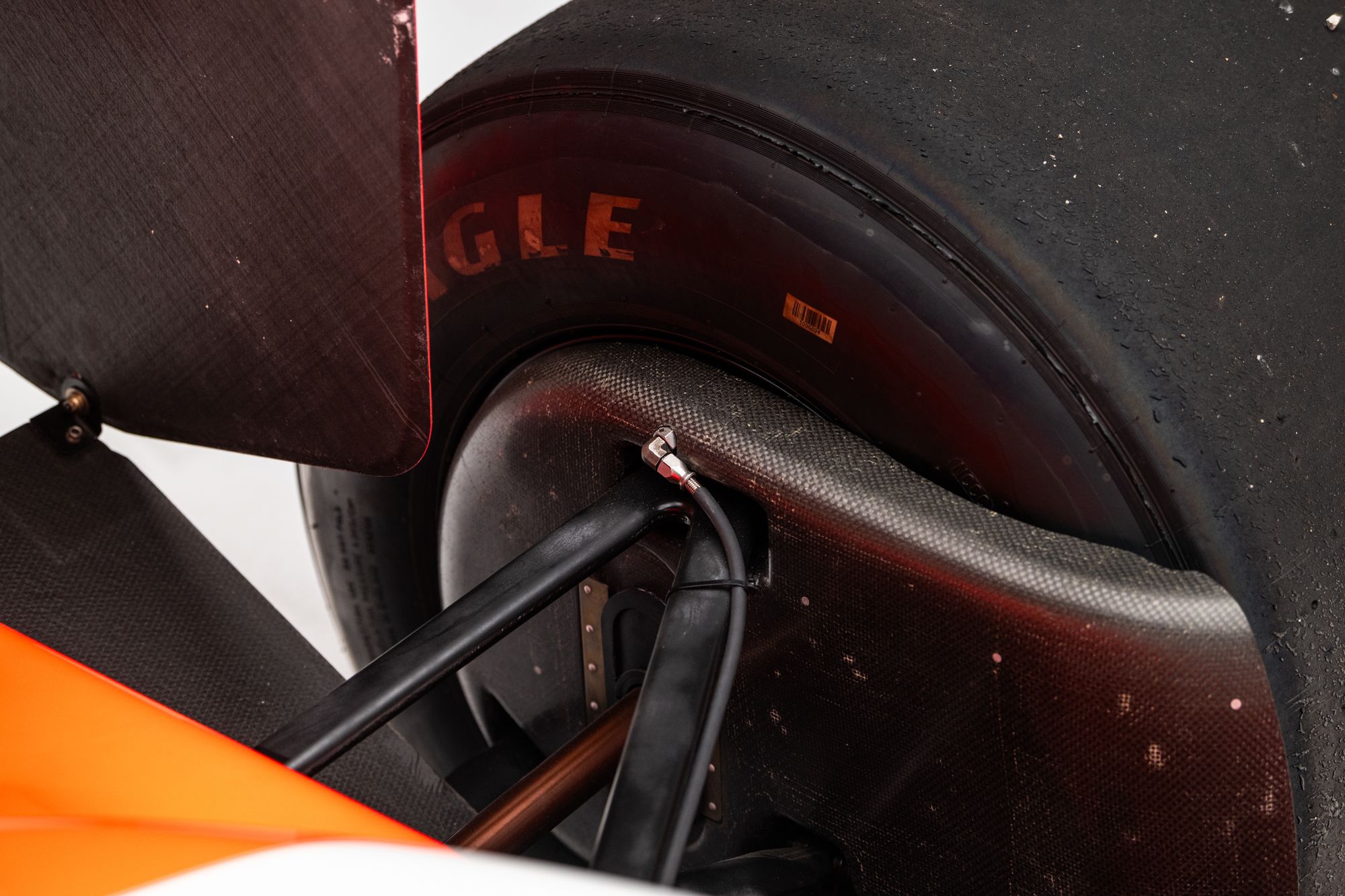
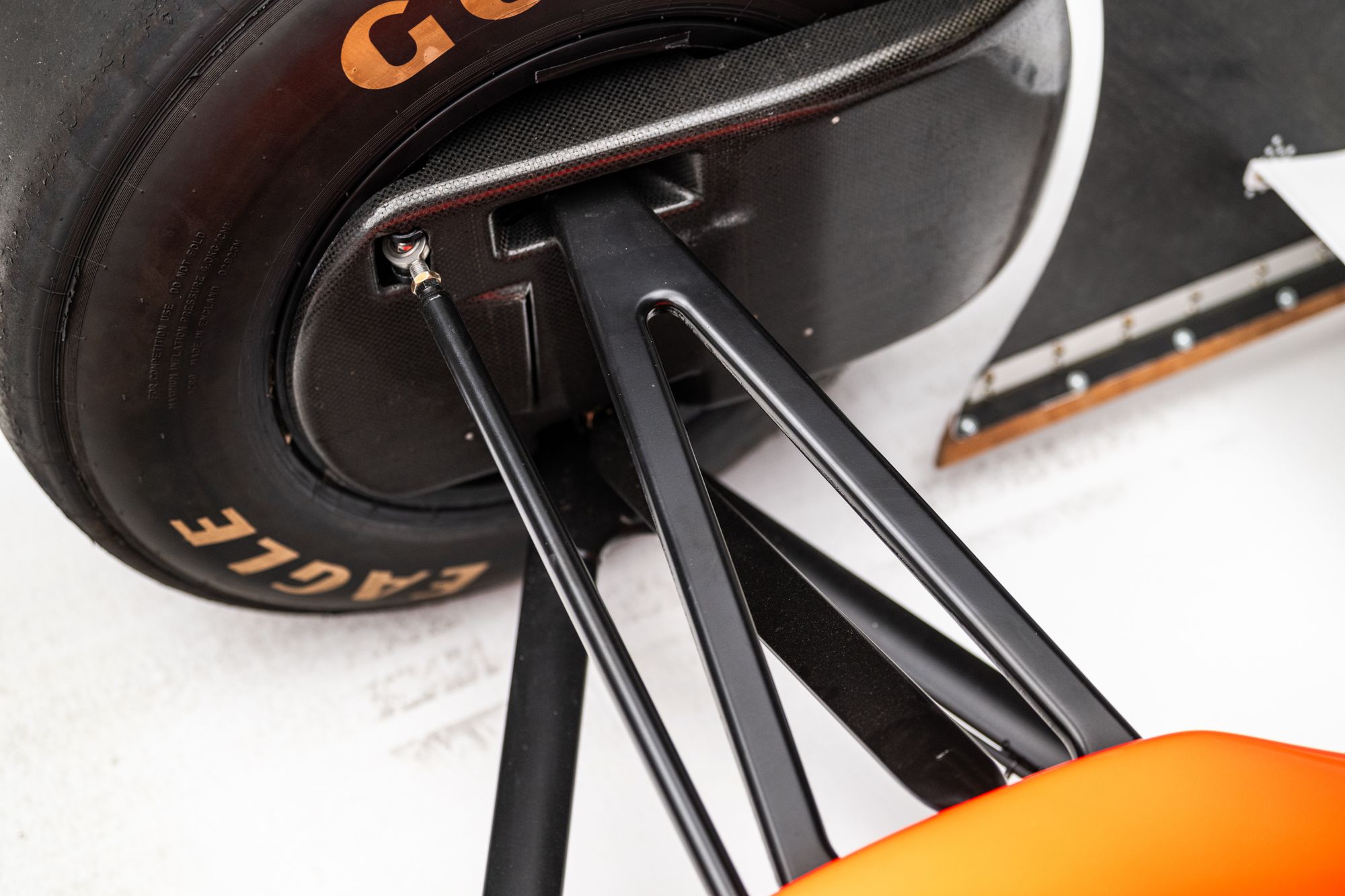
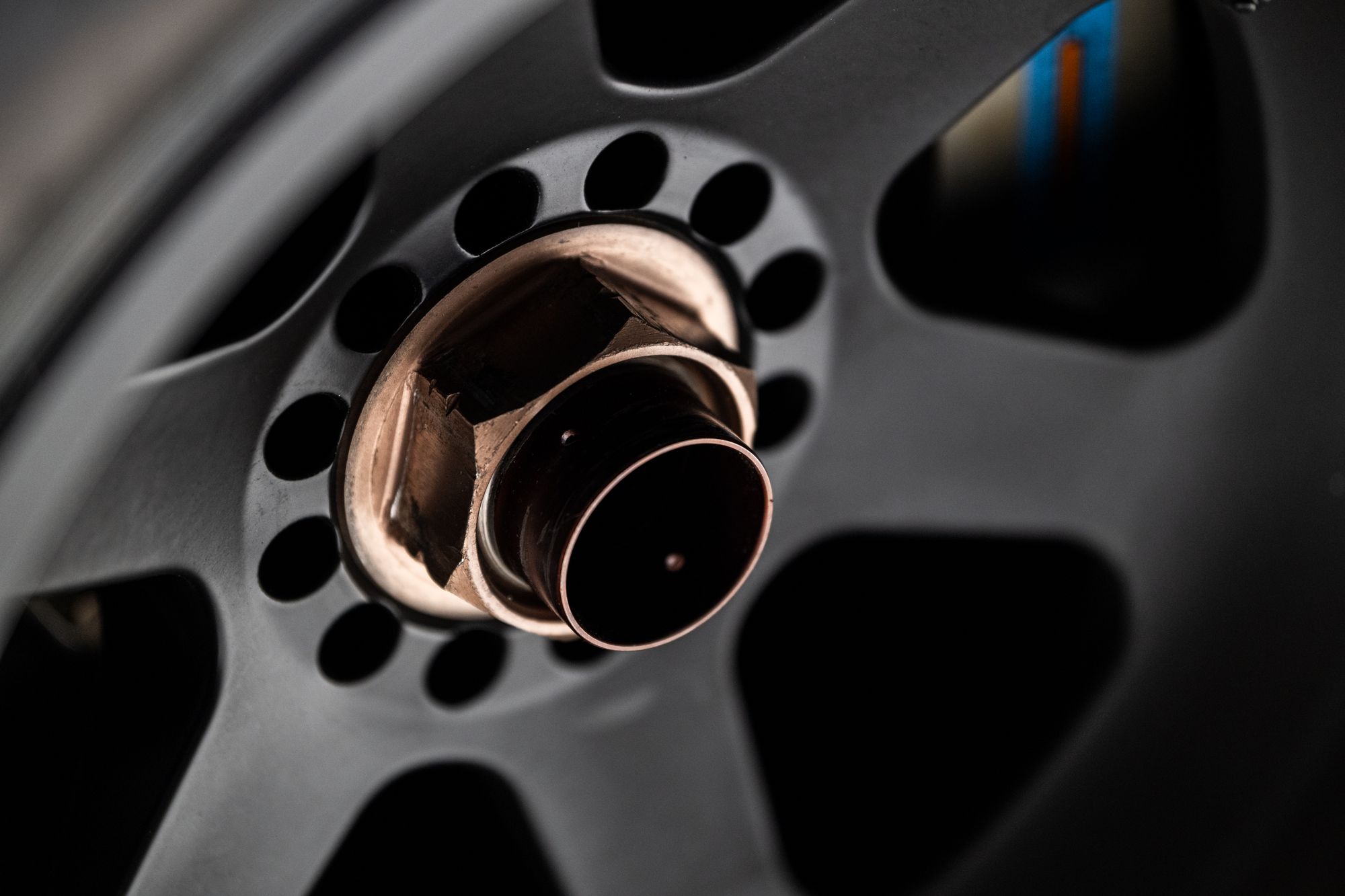
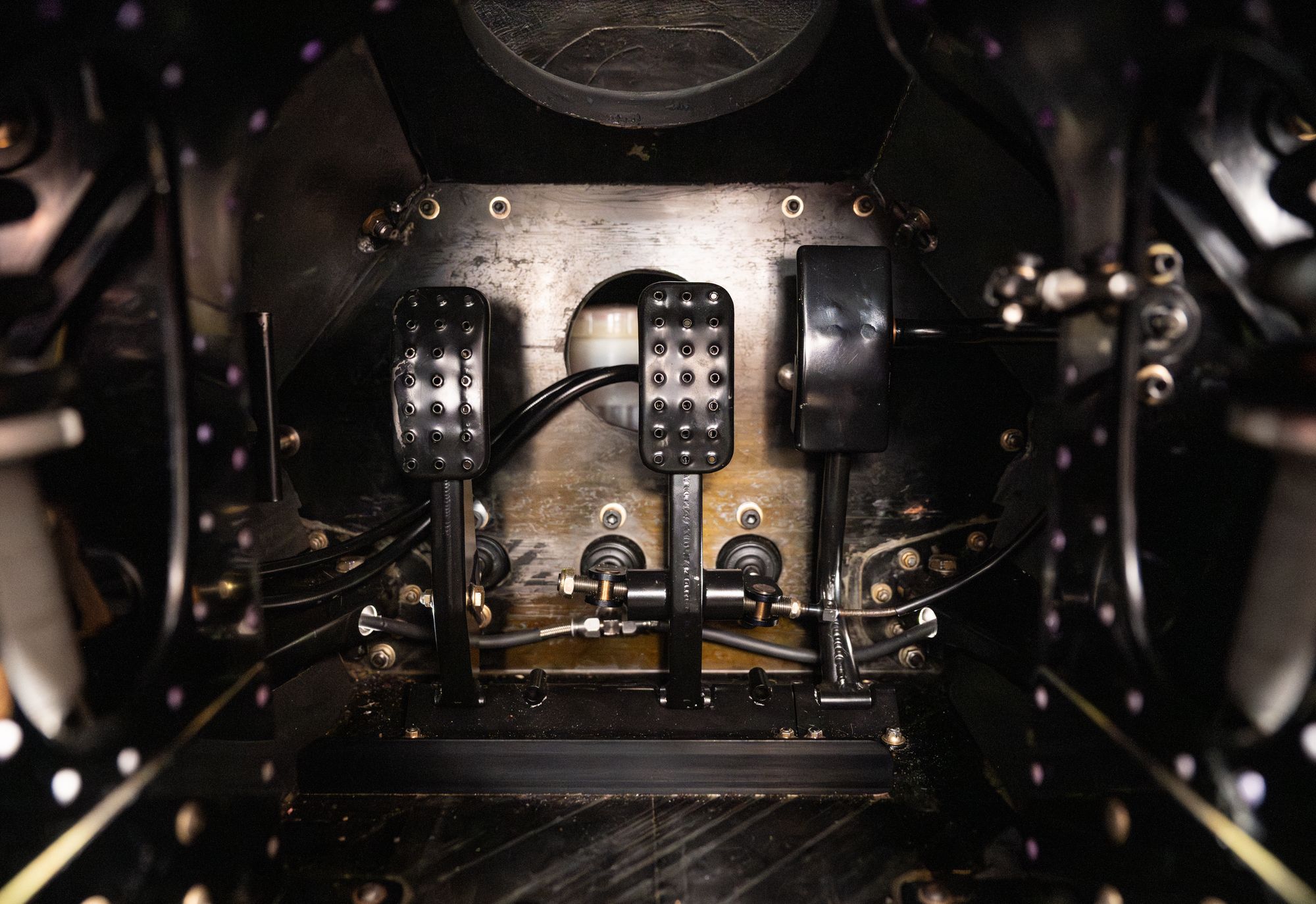
In period specification, the MP4‑3B combined McLaren International/Hercules carbon‑fibre monocoque construction with honeycomb cores and a one‑piece carbon upper body section, using rack‑and‑pinion steering and double‑wishbone pushrod suspension with Showa gas/oil dampers. Braking was by Carbone Industrie carbon discs with twin master cylinders, working through Dymag 13‑inch magnesium wheels (11.75 inches wide at the front and 16.5 inches at the rear) shod in Goodyear Eagle tyres. Minimum weight was approximately 540 kg under the 1988 turbo regulations.
The power unit at the core of the MP4‑3B program was Honda’s RA168E: a 1,493–1,494 cm³, 80‑degree V6 with 79.0 × 50.8 mm bore and stroke, 32‑degree valve angle, Honda PGM‑FI fuel injection, and twin IHI RX6D turbochargers. Period figures indicate roughly 685 hp at around 12,300–12,500 rpm in qualifying trim at the mandated 2.5‑bar boost limit, with mapping biased as much toward fuel economy as outright power to stay within the 150‑litre race‑fuel cap. A revised gearbox and oil‑tank layout distinguished the Honda installation from the earlier Getrag‑equipped TAG Turbo cars. Quoted top speed for the configuration was in the 330–340 km/h range, circuit‑dependent.
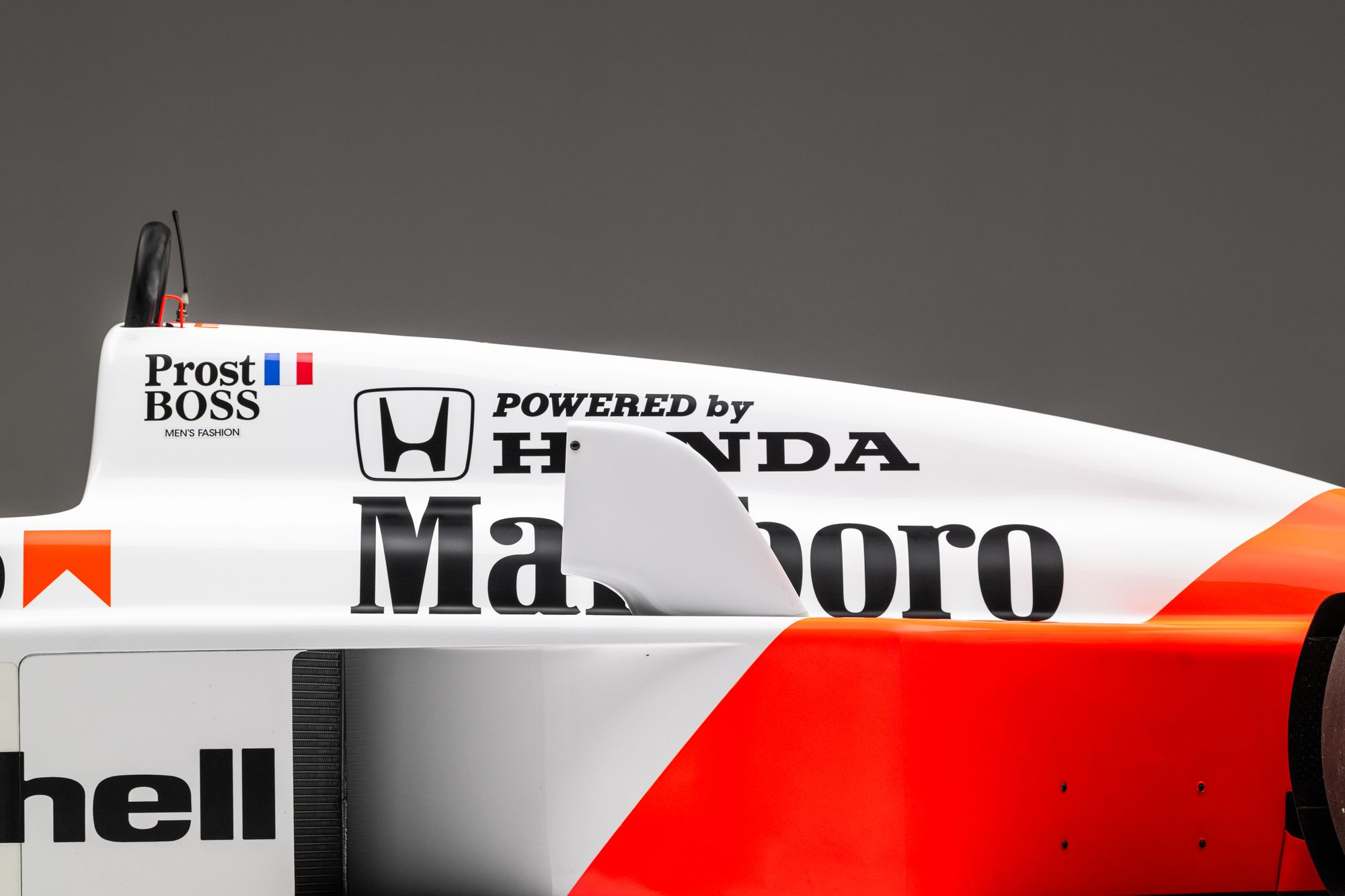
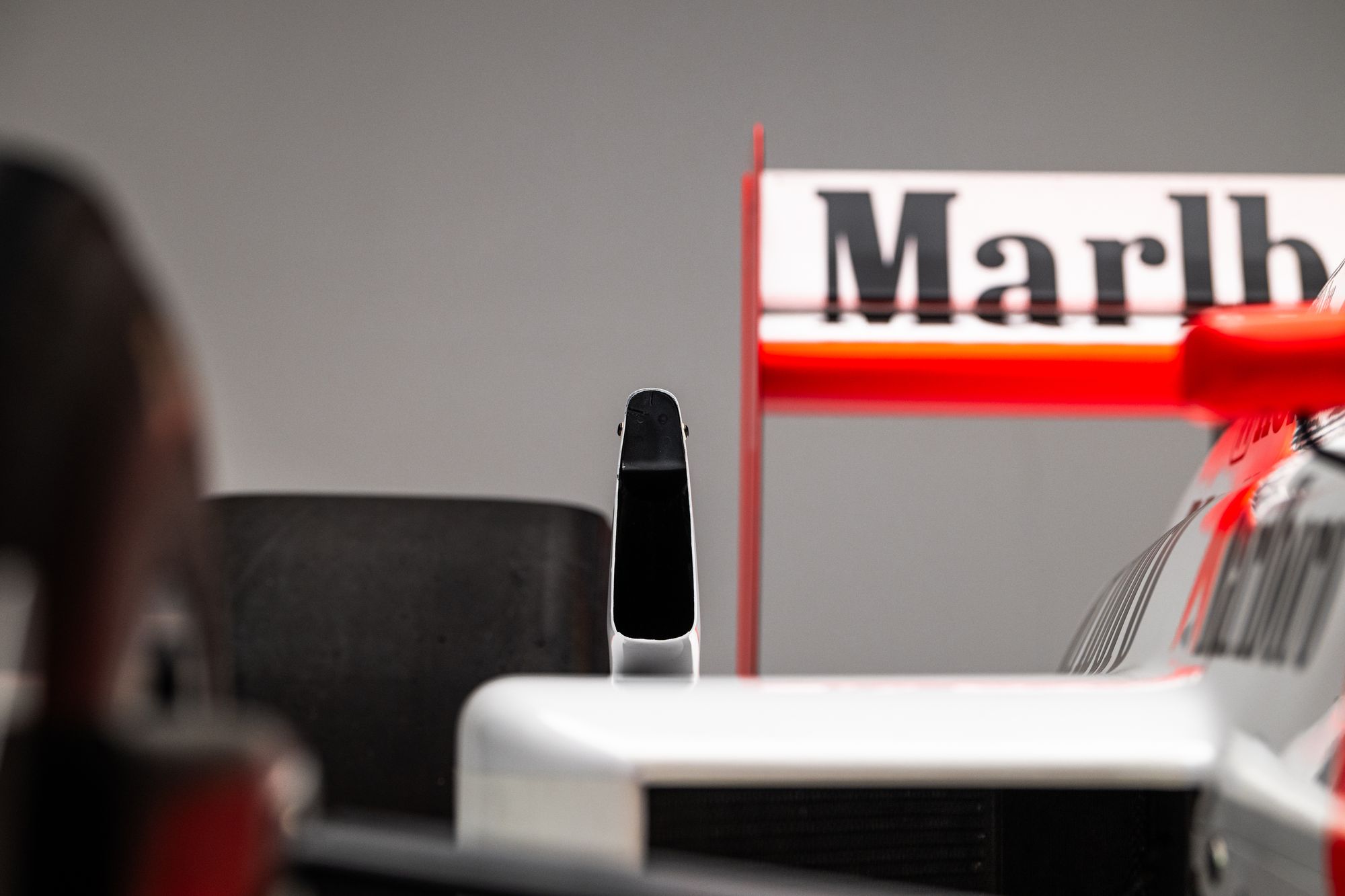
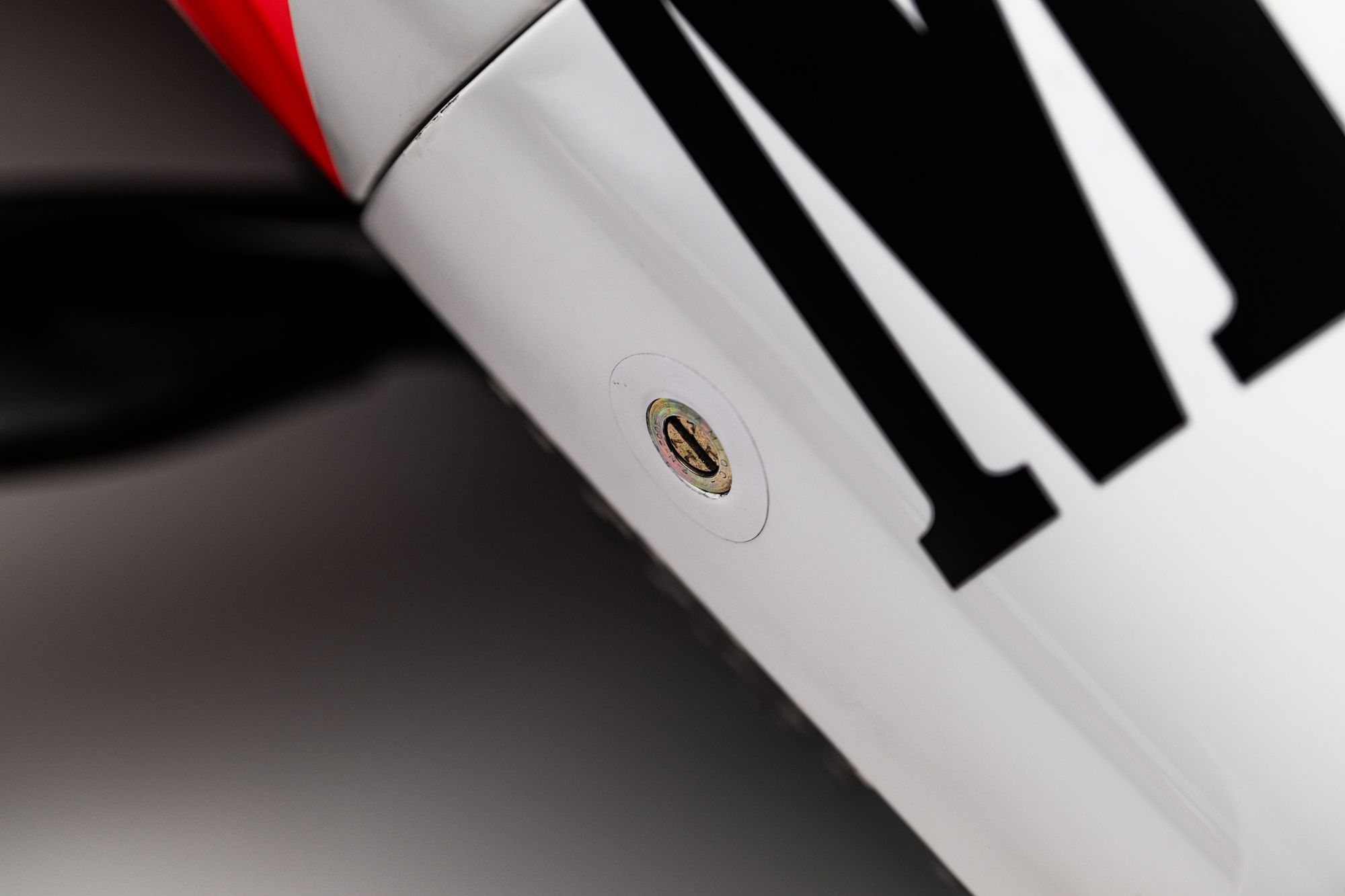
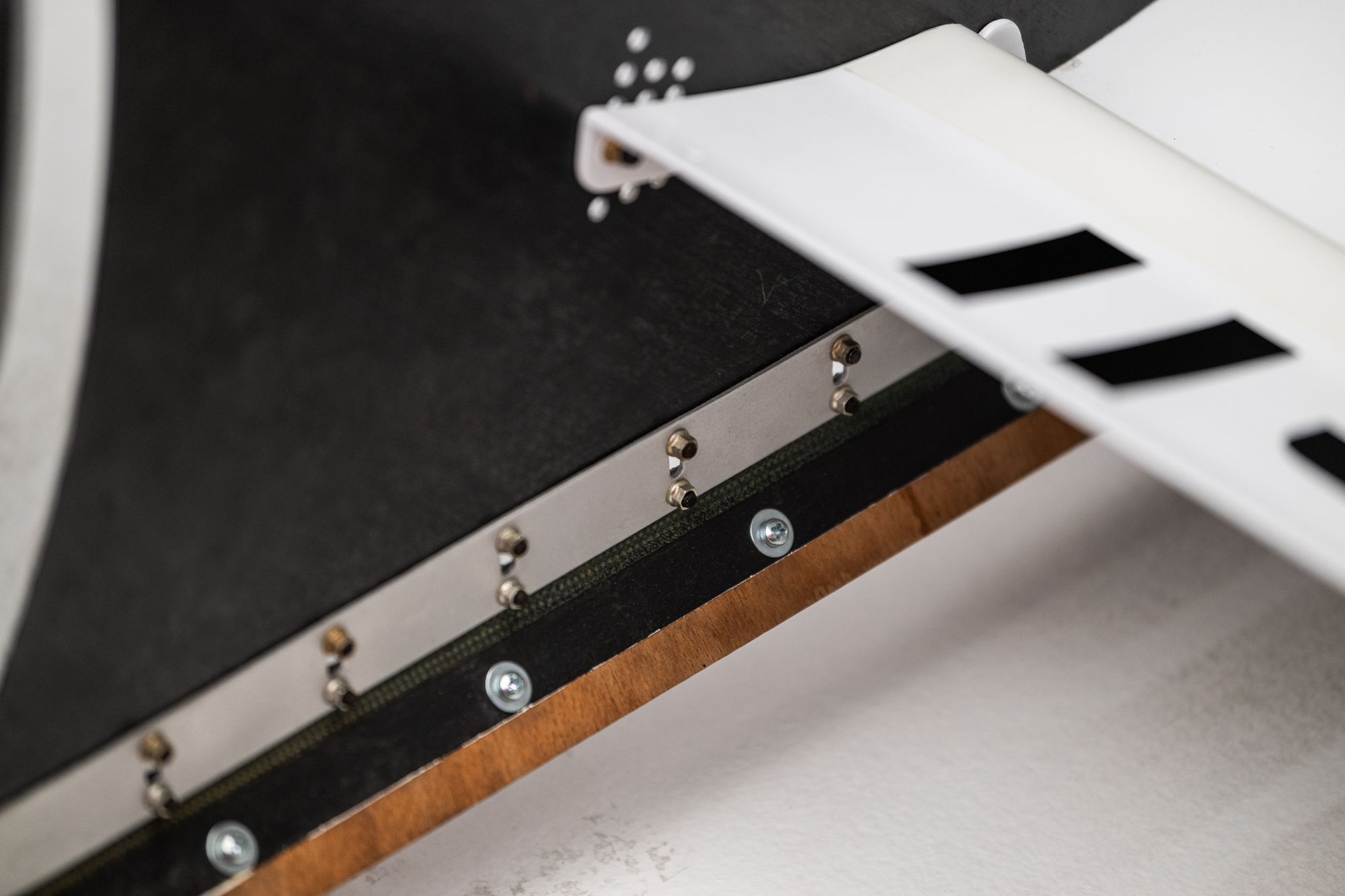
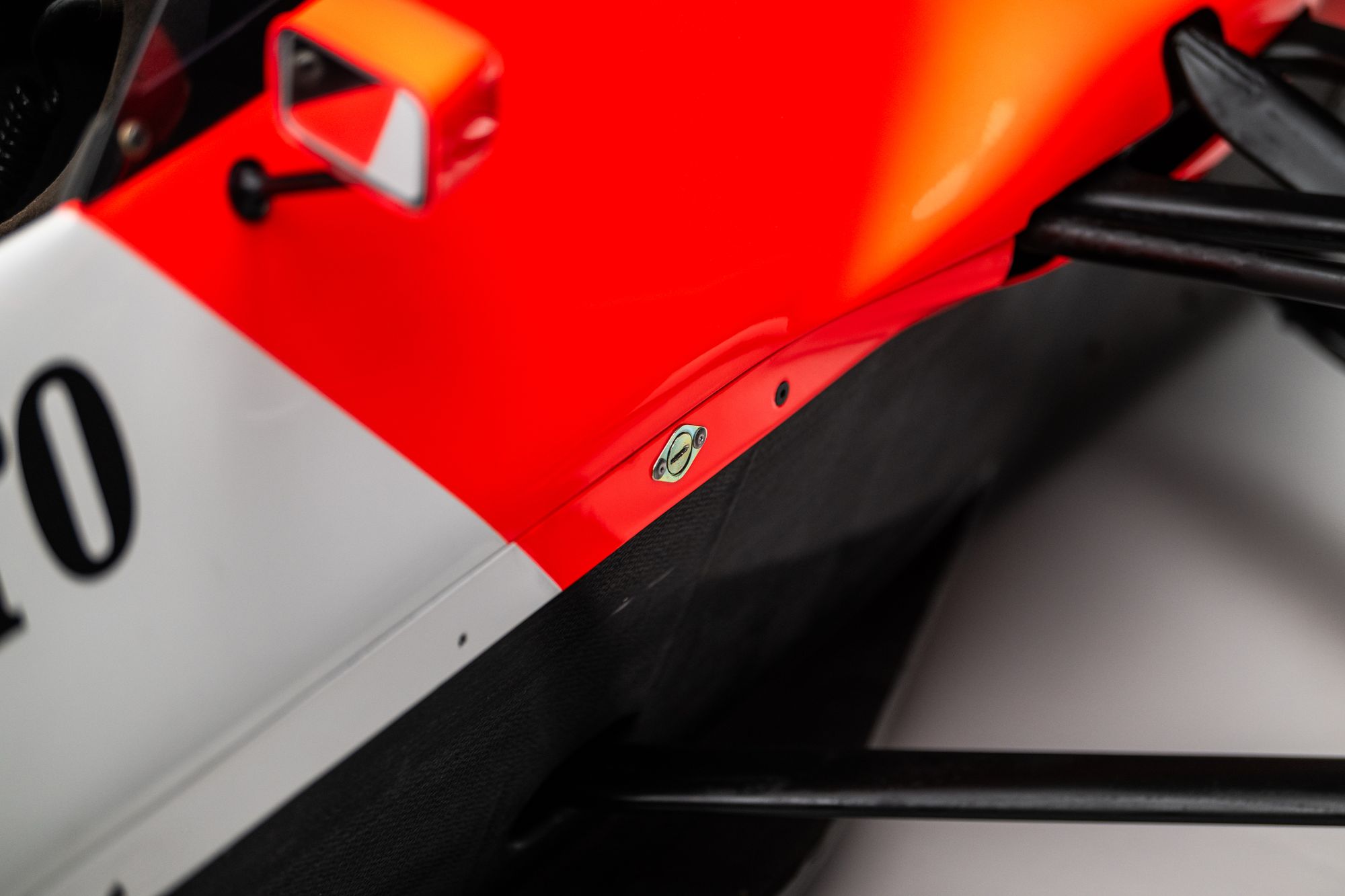
As a non‑homologated test chassis, the MP4‑3B mirrors the MP4/3’s low‑line design language while previewing installation choices fully realized on the MP4/4, making its structural and mechanical details particularly relevant to collectors studying late turbo‑era McLaren design.
Collector Relevance
For collectors focused on significant Formula One development cars, a McLaren MP4‑3B offers direct linkage to the transition from the TAG‑Porsche era to the Honda‑powered MP4/4 program that dominated 1988. With only two chassis built, a clear role as the Honda RA168E integration platform, documented use in test work by Alain Prost, Ayrton Senna and Emanuele Pirro, and a technical specification that captures the constraints of the final turbo season, the MP4‑3B-6 supports long‑term preservation and study as a concise representation of McLaren–Honda’s preparation for one of Formula One’s benchmark campaigns.